


























10 Evidence-Based Daily Habits to Reduce Stress (Even If Meditation Isn't Your Thing)

Not everyone finds meditation appealing or accessible—it's okay! Plenty of other practical, science-backed strategies can effectively lower daily stress by calming the nervous system, reducing cortisol (the primary stress hormone), boosting mood-regulating chemicals like endorphins and serotonin, and building resilience. Drawing from sources like Mayo Clinic, Harvard Health, American Psychological Association (APA), Stanford Medicine, and recent meta-analyses (including 2024–2025 reviews on gratitude and relaxation techniques), here are 10 highly effective habits you can weave into your routine. Many take just minutes and deliver noticeable benefits quickly.
- Practice Deep Breathing Exercises When stress hits, pause for 5 slow, deep breaths: Inhale for 4 counts, hold for 4, exhale for 6–8. This activates the parasympathetic "rest-and-digest" system, immediately lowering heart rate, blood pressure, and cortisol. Stanford Medicine research shows even 5 minutes of focused breathing daily reduces anxiety and improves mood. It's portable—use it at your desk, in traffic, or during a tough moment.
- Organize and Declutter Your Space A cluttered environment spikes cortisol and mental overload. Spend 10 minutes daily tidying your desk, kitchen counter, or bedroom. Studies link organized spaces to lower stress, better focus, and a greater sense of control. Start small: one drawer or surface. The visual calm creates mental calm.
- Listen to Music Therapeutically Curate playlists for relaxation (classical, nature sounds, ambient, or upbeat favorites). Music reduces physiological stress markers (heart rate, blood pressure) and psychological tension. While exact percentages vary (some studies show up to 65% anxiety reduction with specific tracks like "Weightless"), meta-analyses confirm medium-to-large effects from music interventions. Listen during commutes, work breaks, or evenings to shift your state quickly.
- Practice Daily Gratitude Each morning or evening, jot down 3 specific things you're grateful for (e.g., "a warm coffee," "a kind text from a friend"). Meta-analyses (including 2023–2025 systematic reviews of dozens of trials) show gratitude interventions increase life satisfaction, improve mental health, and reduce anxiety/depression symptoms by 6–8%. It rewires focus toward positives, lowering cortisol over time.
- Take Regular Micro-Breaks Every 60–90 minutes, step away for 2–3 minutes: stretch, gaze out a window (20-20-20 rule for eyes), or walk briefly. These prevent stress buildup, combat decision fatigue, and restore mental clarity. Research on ultradian rhythms and productivity supports short pauses for sustained energy and lower chronic stress.
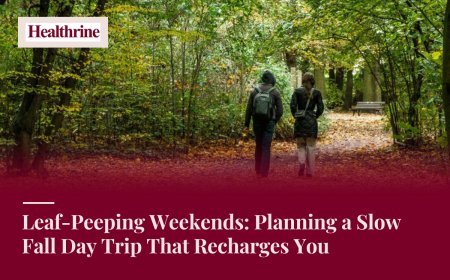
- Connect with Nature Daily Get outside for at least 10–20 minutes—sit in a park, walk the block, or even view greenery from a window. Nature exposure lowers cortisol, blood pressure, and rumination while boosting mood via fresh air, light, and phytoncides (plant compounds).
- Laugh Regularly and Intentionally Seek humor: watch funny clips, read comics, call a witty friend, or recall silly memories. Laughter triggers endorphins, reduces cortisol/adrenaline, and improves immune function. American Heart Association and Mayo Clinic highlight it as a simple, powerful stress reliever—make it a habit for lighter days.
- Practice Progressive Muscle Relaxation (PMR) Tense and release muscle groups sequentially (toes to head): Hold tension 5–10 seconds, then release for 10–20 seconds, noticing the contrast. Mayo Clinic and relaxation research show PMR lowers muscle tension, heart rate, and overall stress—great for evenings or bedtime to unwind physically and mentally.
- Limit News and Social Media Consumption Set boundaries: e.g., 15–20 minutes total for news (morning only) and scheduled social media checks. Constant negative input fuels anxiety. Harvard Health and NIMH recommend curbing exposure to protect mental space—replace scrolling with a walk, book, or hobby for real recovery.
- Prioritize and Organize Tasks Use tools like the Eisenhower Matrix (urgent/important grid) to categorize tasks: Do important ones first, delegate or delete the rest. This prevents overwhelm and boosts productivity. Evidence from stress management studies shows structured planning reduces perceived stress and builds a sense of control.
Quick Tips to Make These Habits Stick
- Start with 1–2 that resonate most—build momentum gradually.
- Pair with existing routines (e.g., gratitude while drinking morning coffee).
- Track how you feel after a week—many notice lower tension and better mood fast.
- For winters: Indoor nature views, music, or short home stretches help when outdoors is tough.
- If stress feels overwhelming, combine these with professional support (therapy, apps like Calm for guided PMR/breathing).
These habits are accessible, low-effort, and backed by strong evidence—they work because they target both body and mind. Pick one today (maybe deep breathing + a quick walk) and notice the shift. You've got this! If a specific stressor is on your mind, share more for personalized tweaks. Stay calm and carry on.
What's Your Reaction?
 Like
0
Like
0
 Dislike
0
Dislike
0
 Love
0
Love
0
 Funny
0
Funny
0
 Angry
0
Angry
0
 Sad
0
Sad
0
 Wow
0
Wow
0