


























I Cut Social Media to 15 Min/Day — My Mood in 7 Days

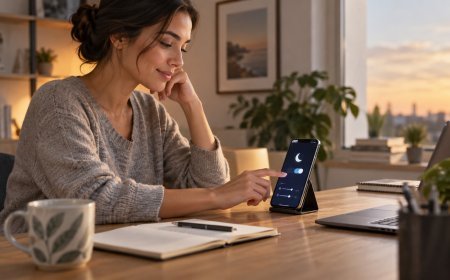
Like many people, I was spending 2–4 hours a day scrolling—Instagram, TikTok, X, YouTube shorts, the usual loop. Notifications pinged constantly, comparisons crept in, and even though I knew it was draining, breaking the habit felt impossible. So I decided to test something simple: limit total social media use to just 15 minutes per day (across all apps combined) for one week. No cold turkey, no deleting accounts—just strict time boundaries using phone screen-time limits and a kitchen timer when needed.
I tracked my mood, energy, focus, and any cravings daily in a quick journal. The results surprised me: by day 7, my baseline mood felt noticeably steadier, anxiety lower, and mental space much clearer. This isn't a dramatic life overhaul story—it's a realistic look at what happens when you slash social media time from hours to minutes. Here's the day-by-day breakdown of what changed in my head and body.
Day 1–2: The Withdrawal Phase – Restless and Irritable
The first 48 hours were rough. My brain kept reaching for the phone out of habit—phantom vibrations, the urge to "just check one thing." I felt fidgety, bored during downtime, and mildly anxious, like missing out on something important. Dopamine dips hit hard because social media delivers quick hits of novelty and validation.
Mood: 4–5/10 (irritable, restless, low-grade FOMO). Energy: Sluggish in the evenings when I used to scroll to unwind. Key change: I replaced scrolling with short walks, reading a physical book, or just sitting quietly. The boredom forced me to confront how much I used social media as an emotional pacifier.
Day 3: The Fog Starts Lifting – Noticeable Calm
By day 3, the constant pull weakened. I wasn't fighting cravings as much; the 15-minute cap (usually split into two quick checks: morning newsfeed skim and evening replies) felt sufficient. My mind had extra bandwidth—no longer fragmented by endless tabs in my head.
Mood: 6–7/10 (steadier, less reactive). Energy: More consistent throughout the day; no mid-afternoon crash from doomscrolling. Biggest shift: Fewer negative thought loops. I stopped comparing my life to curated feeds, which reduced envy and self-criticism almost immediately.
Day 4–5: Deeper Focus and Better Sleep Onset
Mid-week was when the real benefits kicked in. With less mental clutter from social media, I could concentrate longer on work, conversations, and hobbies. Bedtime became peaceful—I fell asleep faster without late-night scrolling lighting up my brain.
Mood: 7–8/10 (calmer, more present). Energy: Sustained and even; I had "extra" hours that used to disappear into the void. Sleep: Falling asleep 20–40 minutes quicker, fewer wake-ups. Waking up felt less groggy—no blue-light hangover.
Day 6–7: The New Normal – Clearer Headspace and Brighter Outlook
By the end of the week, 15 minutes felt like plenty. I checked in intentionally (quick replies, one targeted post), then closed the apps without FOMO. My brain seemed to rewire toward slower, deeper rewards—enjoying a conversation, noticing details in my day, feeling genuinely grateful for small things.
Mood: 8–9/10 (content, lighter, less anxious). Energy: High and stable; I tackled tasks I’d been avoiding. Overall change: Reduced rumination, better emotional regulation, and a subtle sense of control returning. I laughed more easily, felt less overwhelmed, and even had more patience.
What Science and Patterns Explain These Changes
Social media triggers frequent dopamine spikes followed by crashes, which can mimic mild addiction patterns and contribute to anxiety, low mood, and poor focus (studies link heavy use to higher depression risk in adults). Cutting time sharply reduces overstimulation of the reward system, allowing natural mood regulation to rebound. Less comparison and negativity exposure lowers cortisol and rumination. Better sleep from reduced evening blue light and mental wind-down improves everything downstream.
Practical Tips That Made It Work for Me
- Set a hard daily limit (iOS/Android screen time or third-party apps like Freedom or Opal).
- Choose your 15 minutes strategically—e.g., 10 min morning, 5 min evening.
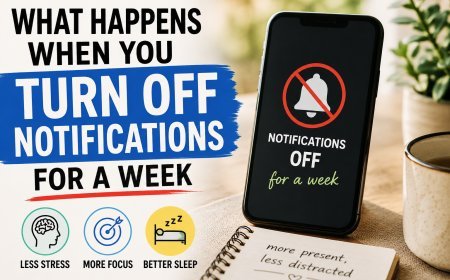
- Turn off all non-essential notifications.
- Replace the habit: keep a book, journal, or puzzle nearby for idle moments.
- Track mood/energy daily—seeing progress motivates sticking with it.
- Allow flexibility after the week if needed, but keep the cap low.
One week isn't a cure-all, but it was enough to prove I didn't need hours of scrolling to stay connected or informed. My mood stabilized, anxiety dropped, and I reclaimed mental real estate I didn't realize was rented out. If you're feeling foggy, irritable, or stuck in a scroll loop, try the 15-minute cap for just 7 days. The difference might be quieter than you expect—but very real. What's your biggest social media time sink right now? Drop it below—I’d love to hear.
What's Your Reaction?
 Like
0
Like
0
 Dislike
0
Dislike
0
 Love
0
Love
0
 Funny
0
Funny
0
 Angry
0
Angry
0
 Sad
0
Sad
0
 Wow
0
Wow
0