























Complete Guide to Foods, Sample Menu, Benefits & Tips for Recovery
A full liquid diet is a temporary, doctor-recommended eating plan that provides essential nutrition through smooth, pourable foods and beverages while giving your digestive system a gentle rest. Often prescribed after surgery (like gastric procedures or GI operations), during recovery from swallowing difficulties, acute digestive issues (e.g., nausea, pancreatitis, or flare-ups), or as a bridge before returning to solids, it includes more variety and calories than a clear liquid diet—think milkshakes, ice cream, strained cream soups, nutritional shakes, puddings, and pulp-free juices. This comprehensive guide explains what a full liquid diet is, key differences from clear liquids, allowed and avoided foods, a realistic one-day sample menu with high-protein/calorie boosts, practical tips to make it enjoyable and nutritionally balanced (including how to combat common issues like low fiber or boredom), potential risks if used long-term, and important safety notes.
What Is a Full Liquid Diet?
A full liquid diet consists of foods and drinks that are liquid at room temperature or melt easily into liquid (e.g., ice cream). All items must be smooth, pourable, and completely free of chunks, seeds, pulp, or solids—no chewing is involved.
It builds on the stricter clear liquid diet (transparent items like water, apple juice without pulp, clear broth, plain gelatin, tea/coffee without milk, popsicles), by adding richer, opaque options for more protein, calories, and satisfaction while keeping digestion easy.
Benefits and When It's Used
This diet offers several key advantages during short-term use (typically days to 1–2 weeks):
- Provides nutrition when solids are impossible or risky.
- Supports healing by minimizing gut strain.
- Helps maintain energy, hydration, and some protein intake.
- Serves as a transitional step from clear liquids to soft/pureed foods.
Common reasons include:
- Post-surgery recovery (abdominal, GI, oral, or bariatric procedures).
- Swallowing/chewing difficulties (dysphagia from dental work, throat issues, stroke, or neurological conditions).
- Acute digestive problems (nausea, vomiting, pancreatitis, certain IBD flare-ups).
- Preparation for or recovery from medical tests/procedures.
It's not designed for long-term use, weight loss, or self-prescribed diets—prolonged reliance can lead to nutrient deficiencies.
Foods and Drinks Allowed
From 2026-updated guidelines (MedlinePlus, Mayo Clinic, Cleveland Clinic, etc.):
Beverages
- Water (plain, flavored, carbonated if tolerated)
- Coffee/tea (with milk/cream, sugar/honey)
- Pulp-free fruit juices/nectars (apple, orange, cranberry, peach, grape)
- Vegetable juices (tomato, strained V8)
- Milk/alternatives (cow's, soy, almond, rice, lactose-free)
- Sports/electrolyte drinks
- Nutritional shakes (Ensure, Boost, Premier Protein, etc.)
- Sodas (if tolerated)
Dairy & Creamy Items
- Milkshakes/smoothies (blended smooth)
- Smooth yogurt (no fruit pieces)
- Custard, pudding
- Ice cream, frozen yogurt, sherbet (no add-ins)
- Pasteurized eggnog
Soups
- Clear broths (chicken, beef, vegetable)
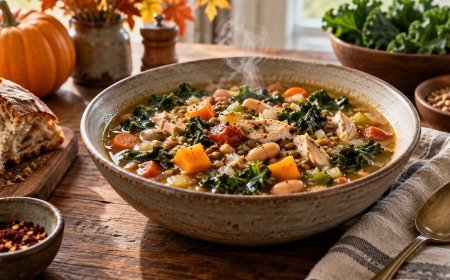
- Strained/blended cream soups (tomato, mushroom, chicken—no chunks)
Grains
- Thin cooked refined cereals (cream of wheat/rice, grits, thinned oatmeal—made with milk)
Sweets & Others
- Plain/flavored gelatin
- Honey, syrup, sugar
- Popsicles/fruit ices (no chunks)
Foods to Strictly Avoid
- Any solids, chunks, or chewable items (meats, bread, raw/cooked veggies/fruits, nuts, seeds)
- Unstrained soups, chunky yogurt, or textured items
Sample One-Day Menu (High-Protein/Calorie Focus)
Aim for 1,500–2,000+ calories and 45–70g+ protein daily via frequent small "meals" (every 2–3 hours). Adjust based on your needs—consult a dietitian.
- Breakfast: 1 cup pulp-free orange juice, 1 cup cream of wheat thinned with milk + protein powder boost, 1 cup fortified milk or nutritional shake, coffee/tea with cream.
- Mid-Morning Snack: High-protein shake (e.g., Ensure Plus or Boost), smooth plain yogurt thinned if needed.
- Lunch: Strained cream of tomato soup, 1 cup apple nectar, ½ cup vanilla pudding or custard, milkshake (milk + ice cream + protein powder).
- Afternoon Snack: ½–1 cup ice cream or frozen yogurt, gelatin.
- Dinner: Strained cream of chicken soup, 1 cup grape juice, custard or pudding, herbal tea.
- Evening Snack: Nutritional supplement shake, sherbet or popsicle.
Tips for Success and Comfort
- Add variety — Switch flavors (chocolate/vanilla ice cream, different juices/soups) to fight monotony.
- Play with temperature — Warm broths for soothing; cold shakes/ice cream for refreshment.
- Boost nutrition — Use liquid supplements 1–2x daily; fortify milk with dry milk powder or add honey/syrup for calories; blend in unflavored protein powder.
- Hydrate aggressively — At least 64 oz fluids daily (most count); sip constantly to prevent dehydration.
- Eat small & often — Prevents fatigue; many find sipping every 10–15 minutes easiest.
- Lactose alternatives — Opt for lactose-free/plant-based if intolerant.
- Make it enjoyable — Blend creative smoothies (e.g., milk + fruit nectar + ice cream); add syrups or cocoa for taste.
Important Safety Considerations & Risks
- Short-term only — Follow your doctor's exact timeline; extended use risks deficiencies in fiber, iron, B vitamins, etc.—get monitored.
- Not for weight loss — It provides calories but isn't balanced or sustainable for dieting.
- Watch your body — Report dizziness, weakness, constipation, worsening symptoms, or poor tolerance immediately.
- Special needs — Diabetics: choose low-sugar options; allergies: read labels.
- Professional oversight — Work with your doctor or registered dietitian for personalization.
This temporary plan is a supportive step toward full recovery. Many find it more manageable with creativity and variety. If you have your original menu image, specific restrictions (e.g., post-bariatric or lactose-free), or symptoms, share details for more tailored advice. Hang in there—you're taking great care of yourself!
What's Your Reaction?
 Like
0
Like
0
 Dislike
0
Dislike
0
 Love
0
Love
0
 Funny
0
Funny
0
 Angry
0
Angry
0
 Sad
0
Sad
0
 Wow
0
Wow
0