


























Norovirus Season Survival: Natural Ways to Strengthen Gut Immunity

Norovirus, the highly contagious "stomach bug" notorious for causing sudden vomiting, diarrhea, nausea, and abdominal cramps, continues to circulate strongly this winter across the U.S., including elevated activity in the Northeast. According to recent CDC NoroSTAT data through early January 2026, hundreds of outbreaks have been reported nationwide since August 2025, with wastewater monitoring showing high norovirus levels in regions like the Northeast and Midwest—though overall numbers sit in the typical mid-range compared to past seasons. Symptoms usually appear 12-48 hours after exposure and last 1-3 days, but the virus can linger on surfaces, spread through food or close contact, and disrupt the gut microbiome, leading to prolonged fatigue or digestive issues. While rigorous hygiene—washing hands with soap and water for at least 20 seconds, using bleach on surfaces, cooking shellfish thoroughly, and isolating when sick—remains the top prevention method (hand sanitizer often fails against it), strengthening gut immunity naturally can make a difference. The gut is home to a major part of your immune system; a balanced microbiome and intact intestinal barrier help crowd out pathogens, potentially reducing infection risk, easing symptom intensity, or speeding recovery.
Boost Gut Defenses with Probiotic-Rich Fermented Foods
Incorporating probiotic foods introduces live beneficial bacteria that compete with norovirus for space in the intestines, support the gut lining's integrity, and help regulate immune responses. Plain yogurt with active live cultures, kefir, sauerkraut, kimchi, and miso are excellent, accessible sources delivering strains like Lactobacillus and Bifidobacterium. Studies suggest these can inhibit viral replication in lab settings, shorten illness duration, and restore microbiome balance after infection. If fermented foods are new to you, start with small amounts to avoid temporary bloating, and aim to include a serving most days—such as kefir in a morning smoothie or kimchi as a flavorful side to meals for steady, everyday support.
Nourish Beneficial Bacteria with Prebiotic Fibers
Probiotics thrive when fed properly, so prebiotic fibers from whole foods fuel good bacteria and promote short-chain fatty acid production, which strengthens the gut barrier and reduces inflammation. Regularly eat garlic, onions, leeks, asparagus, oats, bananas, and apples to foster microbiome diversity. This varied fiber approach builds long-term resilience, helping your gut better withstand seasonal viral pressures.
Target Key Nutrients for Gut and Immune Support
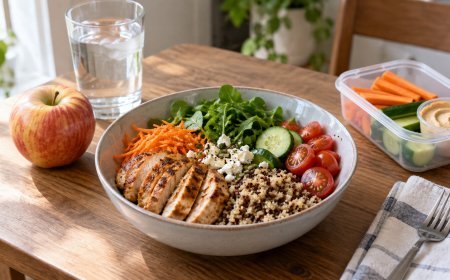
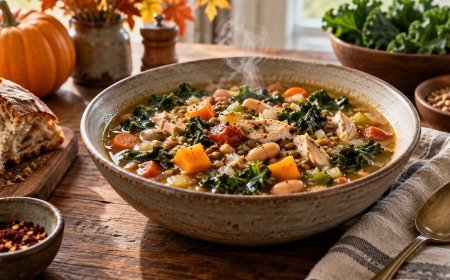
Specific vitamins and minerals directly bolster gut protection and antiviral defenses. Vitamin A, abundant in sweet potatoes, carrots, spinach, and kale, modulates the gut microbiota and may limit norovirus-like activity by encouraging protective bacteria. Vitamin C from citrus fruits, bell peppers, strawberries, and broccoli enhances mucosal immunity and supports immune cells throughout the digestive tract. Zinc, found in pumpkin seeds, nuts, legumes, and lean meats, is crucial for repairing the gut lining—especially important since norovirus primarily damages intestinal cells. Ginger adds value with its anti-nausea, anti-inflammatory, and mild antimicrobial properties; a warm ginger tea offers gentle, soothing digestive relief.
Prioritize Hydration and Recovery Habits
Dehydration hits immunity hard and fast, so focus on staying well-hydrated with clear fluids like herbal teas (peppermint or ginger for extra calm), bone broth (loaded with glutamine to aid gut lining repair), or balanced electrolyte drinks. Combine this with sufficient rest, simple stress reduction like deep breathing, and limiting sugar or alcohol, which can disrupt bacterial equilibrium.
A Simple Daily Plan to Put It All Together
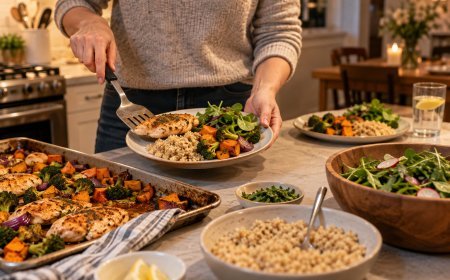
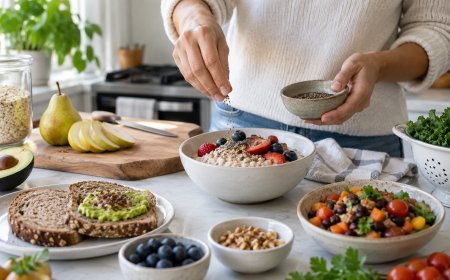
Make these strategies easy by starting breakfast with yogurt or kefir mixed with banana and oats, adding garlic, onions, or asparagus to lunches and dinners alongside colorful veggies, snacking on apples with nuts or carrot sticks, and finishing the day with ginger tea. Relying on whole foods rather than supplements keeps things sustainable and natural.
These habits won't stop norovirus entirely—it's extremely contagious, so hygiene and caution around sick people or shared spaces are essential—but they can help create a tougher gut environment for potentially milder cases or faster rebound. If symptoms become severe (like ongoing dehydration, blood in stool, or no improvement after a few days), contact a doctor right away. For personalized guidance, especially with any health conditions or dietary needs, talk to a healthcare provider. With norovirus active, these consistent steps can help keep your gut strong—hang in there this season! Let me know if you want any part expanded or adjusted.
Disclaimer: The information in this article is for general educational and informational purposes only and is not intended as medical advice, diagnosis, or treatment. Norovirus is a serious and highly contagious virus, and the best prevention remains rigorous hygiene practices such as thorough handwashing with soap and water, proper food handling, and disinfection with bleach-based cleaners. Natural approaches to support gut health may help promote overall resilience but cannot prevent, cure, or guarantee protection against norovirus infection. If you experience severe symptoms (such as persistent vomiting, signs of dehydration like dizziness or dry mouth, blood in stool, high fever, or symptoms lasting more than a few days), seek medical attention immediately. Individuals with weakened immune systems, young children, older adults, or those with pre-existing health conditions should consult a healthcare professional before making dietary changes. Always talk to your doctor or a registered dietitian for personalized guidance, especially if you have allergies, dietary restrictions, or medical concerns.
What's Your Reaction?
 Like
0
Like
0
 Dislike
0
Dislike
0
 Love
0
Love
0
 Funny
0
Funny
0
 Angry
0
Angry
0
 Sad
0
Sad
0
 Wow
0
Wow
0