



























What Happens When You Sleep with Your Phone Outside the Room

In our always-connected world, the bedroom often doubles as a charging station, with phones right on the nightstand or under the pillow. But moving your phone to another room entirely—kitchen counter, living room, or hallway—can lead to noticeable improvements in sleep quality, energy levels, and overall well-being. Research and real-world experiences show that this simple change reduces sleep disruptions, supports natural hormone cycles, and helps the brain wind down properly.
The main culprits when the phone stays in the room are blue light exposure (even from a dim screen or notifications), constant potential for interruptions (buzzes, vibrations, lights), and subtle psychological stimulation that keeps the mind alert. Keeping it out creates a true "sleep sanctuary," signaling to your body that the day is over. Here's what typically happens when you make the switch, based on studies and common reports.
Deeper, More Restorative Sleep and Faster Sleep Onset
Without the phone nearby, you're less likely to scroll, check notifications, or doomscroll late into the night. Blue light from screens suppresses melatonin—the hormone that regulates your sleep-wake cycle—making it harder to fall asleep and reducing deep sleep stages. Studies show that avoiding screens (or their presence) in the bedroom can cut sleep latency (time to fall asleep) and increase total sleep time by minutes to hours per week.
People who leave their phones out often report falling asleep 10–30 minutes faster and experiencing fewer awakenings. One observational study found that intense in-bed phone use increased awake time and disrupted heart rate variability during sleep. Removing the device eliminates those micro-disruptions, leading to more consistent, high-quality rest.
Fewer Interruptions and Better Sleep Continuity
Even on silent or do-not-disturb mode, a phone in the room can tempt you to check it if you wake up briefly—lighting up the screen reinforces wakefulness. Notifications (even subtle ones) or the mere presence can cause fragmented sleep. Keeping it outside removes that temptation entirely.
Many who try this experiment notice they stop waking up to "just check one thing," leading to longer uninterrupted sleep blocks. Over time, this improves REM and deep sleep phases, which are crucial for memory, mood regulation, and physical recovery.
Improved Morning Energy and Reduced Daytime Fatigue
Better nighttime sleep translates to feeling more alert upon waking. Without the habitual morning scroll from bed, people often get up quicker, start the day calmer, and maintain steadier energy. Reports from personal trials describe mornings as "more chill," with less grogginess and brain fog—especially after the first few days or weeks of adjustment.
One long-term account noted feeling "alert" at work, no 4 p.m. crashes, and even a return of vivid dreams (suggesting deeper REM cycles). Consistent sleep also supports better focus, productivity, and emotional resilience during the day.
Lower Anxiety and a Calmer Mindset
The phone's presence can keep the brain in a low-level "ready" state—anticipating emails, social media, or news. Removing it creates mental separation: work and stimulation stay outside the bedroom. This reduces nighttime anxiety, racing thoughts, or doomscrolling that spikes stress hormones.
Many describe the bedroom feeling like a true "haven"—perfect for reading, talking with a partner, or simply decompressing. Over weeks, this boundary lowers overall anxiety symptoms and improves mood, as the brain learns to relax without constant digital input.
Potential Drawbacks and How to Handle Them
The first few nights might feel odd—some miss the alarm or feel disconnected in emergencies. Solution: Use a traditional alarm clock (cheap and reliable) and keep a landline or secondary device elsewhere for urgent needs. If you're worried about missing important calls, set up call forwarding or emergency exceptions.
Adjustment takes time—cravings for late-night checks are common initially—but most adapt quickly and report the benefits outweigh the inconvenience.
Practical Tips to Make the Change Stick
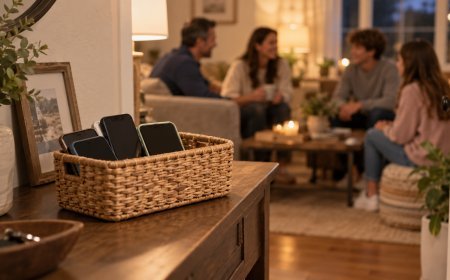
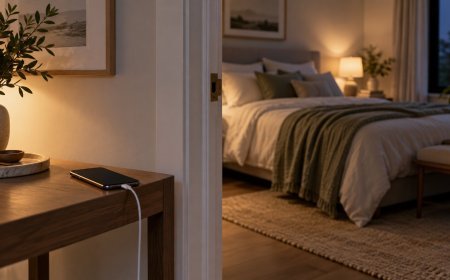
- Charge your phone in another room overnight.
- Set a "phone curfew" 30–60 minutes before bed to wind down.
- Replace bedtime scrolling with reading, journaling, or light stretching.
- Use a sunrise alarm clock for gentle wake-ups without reaching for the phone.
- Track your sleep for a week before and after—apps or journals can highlight improvements in energy and mood.
Sleeping with your phone outside the room isn't about ditching technology—it's about reclaiming restful nights in a hyper-connected era. Many who make the switch say it's one of the easiest, highest-impact changes for better health. Try it for a week: charge your phone in the kitchen tonight and see how you feel tomorrow. Your brain (and body) might thank you with deeper sleep and brighter mornings. If sleep issues persist, consult a doctor—sometimes underlying factors need attention too.
What's Your Reaction?
 Like
0
Like
0
 Dislike
0
Dislike
0
 Love
0
Love
0
 Funny
0
Funny
0
 Angry
0
Angry
0
 Sad
0
Sad
0
 Wow
0
Wow
0