




























This Is What Happens to Male Reproductive Health When You Eat Too Much Ultra-Processed Foods
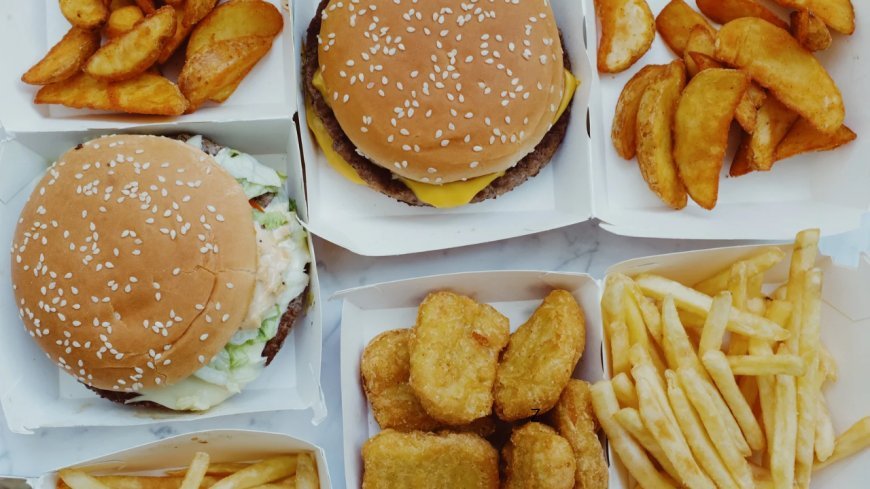
Ultra-processed foods—think fast food burgers, sugary snacks, packaged sweets, sodas, and most ready-to-eat items—are staples in many diets. But emerging research shows they could be quietly undermining male reproductive health. A rigorous randomized controlled trial published August 28, 2025, in Cell Metabolism found that a diet high in ultra-processed foods (UPFs) led to weight gain, unfavorable cholesterol shifts, hormonal disruptions, and a trend toward poorer sperm quality—even when calorie intake was matched to a healthier diet.
The study used a controlled crossover design with healthy men, comparing unprocessed vs. ultra-processed diets (with and without excess calories). Results highlight that it's not just overeating—it's the processed nature of the food itself, including additives, poor nutrient profiles, and contaminants like phthalates from packaging. Here's what the latest evidence reveals about the effects on your body, plus practical steps to protect your health.
Sperm Quality Trends Toward Decline
Men on the ultra-processed diet showed a downward trend in sperm quality, particularly total motility (how well sperm move), even after statistical adjustments. While not always statistically significant in short-term trials, the pattern aligns with broader concerns: global sperm counts have dropped about 60% since the 1970s, coinciding with the rise of UPFs in diets.
Researchers point to higher exposure to endocrine-disrupting chemicals, such as the phthalate metabolite cxMINP (mono(4-methyl-7-carboxyheptyl)phthalate), which increased in serum after UPF consumption. These chemicals can interfere with testosterone production and sperm development. Urologist Dr. Philip Werthman notes that "it's not just the calories—it's the type of calories," emphasizing how processed foods introduce pollutants that healthier diets avoid.
Hormonal Balance Gets Disrupted
The ultra-processed diet altered key reproductive hormones. Participants experienced lower levels of follicle-stimulating hormone (FSH)—vital for sperm production—and a downward trend in testosterone. These shifts occurred independently of calorie excess, suggesting direct impacts from UPF components like additives and contaminants.
Dietitian Kristin Kirkpatrick from Cleveland Clinic highlights that "even if you're healthy on other measures, a high-UPF diet puts you at risk for hormonal imbalances and chronic conditions." Reduced hormones can affect fertility, libido, energy, muscle maintenance, and mood over time.
Weight Gain and Increased Fat Mass
Even with identical calories, men gained over a kilogram of body weight and more fat mass on the UPF diet. These foods are engineered to be hyperpalatable—high in sugar, salt, and unhealthy fats—making overeating effortless while providing low satiety. The result: easier fat accumulation, especially around the midsection, which worsens insulin resistance and further stresses reproductive hormones.
Heart Health Suffers Significantly
UPFs contribute heavily to cardiovascular risks. The CDC estimates they make up about 55–60% of average American calories, from items like sweetened drinks, savory snacks, and burgers. A 2025 study estimated UPFs linked to over 124,000 preventable deaths in the U.S. over two years (from earlier data projections). They raise LDL:HDL ratios, promote inflammation, and crowd out protective foods like fruits, veggies, and fiber—driving up heart disease, high cholesterol, and related issues that indirectly harm fertility.
Broader Impacts on Brain and Overall Health
Ultra-processed foods are tied to faster cognitive decline, higher stroke risk, and mood disruptions in other research. The lack of nutrients and excess additives can impair brain function, while hormonal changes from UPFs affect mental clarity and emotional well-being.
Why This Happens: Beyond Just Calories
UPFs are energy-dense but nutrient-poor, low in fiber, and loaded with additives, artificial sweeteners, unhealthy fats, and processing aids. Plastic packaging often leaches phthalates and other endocrine disruptors, amplifying harm. The Cell Metabolism study shows these effects emerge quickly (within weeks) and persist regardless of calorie control—proving the "ultra-processed" aspect itself is detrimental.
What You Can Do to Protect Your Reproductive and Overall Health
Reversing or preventing these impacts starts with simple shifts:
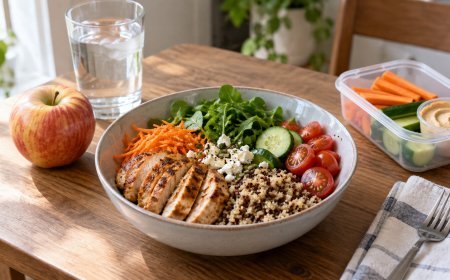
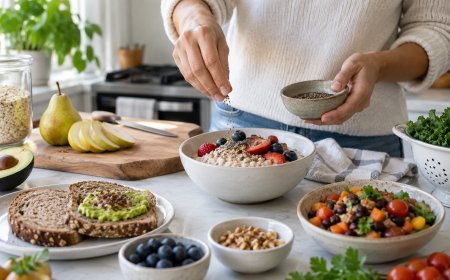
- Prioritize whole foods: Build meals around vegetables, fruits, whole grains, legumes, nuts, seeds, lean proteins, and healthy fats (e.g., Mediterranean-style eating).
- Cut back on UPFs: Limit fast food, sugary snacks, packaged sweets, and sodas—aim to reduce them gradually.
- Exercise regularly: Physical activity supports hormone balance, weight management, and fertility.
- Maintain healthy weight: Excess fat disrupts testosterone and sperm quality.
- Avoid tobacco and limit alcohol: Both harm sperm and hormones.
- Manage heat exposure: Skip frequent saunas/hot tubs if trying to conceive.
- Focus on sleep and stress: These support hormonal health.
Urology professor Dr. Michael Eisenberg stresses that "a good diet, exercise, and healthy body weight help both overall and reproductive health." Note that sperm production cycles take 2–3 months, so longer-term changes may yield even bigger benefits.
The Bottom Line
Regular ultra-processed food consumption risks more than just extra pounds—it's linked to declining sperm quality, hormonal disruptions, weight gain, heart issues, and broader health problems. The evidence is mounting: these foods harm metabolic and reproductive systems even without overeating. By choosing nutrient-dense, minimally processed options, you can support fertility, energy, and long-term wellness. Small swaps today add up to big protection tomorrow. What's one UPF you're ready to cut back on?
What's Your Reaction?
 Like
0
Like
0
 Dislike
0
Dislike
0
 Love
0
Love
0
 Funny
0
Funny
0
 Angry
0
Angry
0
 Sad
1
Sad
1
 Wow
0
Wow
0