


























Hidden Sugars: How to Spot Them and Slash Your Intake for Better Health
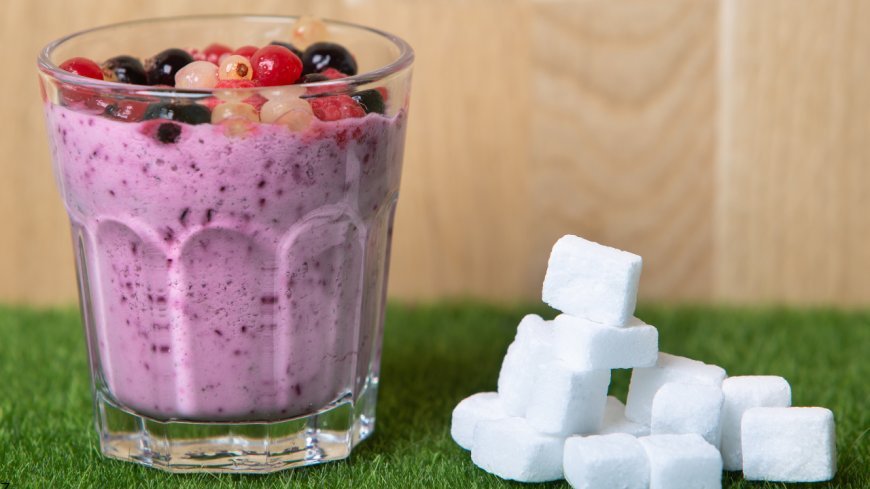
Sugar sneaks into foods in ways that make it incredibly easy to go way over daily limits—even when you're trying to eat "healthy." In 2026, with the latest Dietary Guidelines for Americans 2025–2030 emphasizing "no amount of added sugars is recommended" as part of a nutritious diet and urging limits to under 10% of daily calories (with stricter meal-level caps like no more than 10g added sugar per meal), awareness is higher than ever. Yet the average American still consumes around 17 teaspoons (about 68 grams) of added sugar daily—far exceeding recommendations of no more than 6 teaspoons (25 grams) for women and 9 teaspoons (36 grams) for men per the American Heart Association.
These hidden sugars contribute to weight gain, energy crashes, type 2 diabetes, heart disease, inflammation, and even dental issues. The good news: once you know where to look and how to swap smarter, cutting back becomes straightforward and sustainable. Here's an updated guide with current insights on spotting hidden sugars and practical ways to reduce them.
The Real Scope of the Problem in 2026
The new guidelines take a tougher stance than before—no added sugars or non-nutritive sweeteners are considered part of a truly healthy diet, and they call out highly processed foods as key culprits. Many people avoid obvious sweets like candy and soda but still rack up excess from "healthy" staples. Processed items often add sugar for flavor, texture, preservation, or to mask low quality, and manufacturers split types to keep individual amounts lower on labels.
Sneaky Sugar Sources in Everyday Foods
Condiments and sauces are major offenders—ketchup packs about 4 grams per tablespoon, BBQ sauce 6–12 grams per 2 tablespoons, many salad dressings 2–6 grams per serving, and pasta sauce 6–12 grams per half-cup. These savory items rarely taste overly sweet but add up fast.
Breakfast foods that seem nutritious often hide sugar: flavored yogurts can have 15–20 grams per serving (even some "Greek" or low-fat options), granola 8–12 grams per serving, instant oatmeal packets 10–15 grams each, and breakfast bars 8–15 grams per bar.
Beverages are the biggest sneaky source beyond soda: 100% fruit juice delivers 20–30 grams per 8-ounce glass (often as much as soda), sports drinks 14–18 grams per 8 ounces, flavored coffee drinks 25–50 grams per serving, and bottled smoothies 30–60 grams depending on size.
Other "healthy" surprises include dried fruit (a small box of raisins ~25 grams concentrated natural + often added), trail mix (15–25 grams from dried fruit and coated nuts), protein bars (15–25 grams, sometimes rivaling candy), and vitamin-enhanced waters (13–32 grams per bottle despite "health" marketing).
Sugar's Many Disguises on Labels
Sugar hides under dozens of names—learn these common aliases to spot it instantly:
- Sucrose, fructose, glucose, dextrose, maltose, lactose
- High-fructose corn syrup, corn syrup, corn syrup solids
- Agave nectar, honey, maple syrup, brown rice syrup, coconut sugar, date syrup
- Fruit juice concentrate, cane juice, evaporated cane juice, barley malt, malt syrup
If multiple types appear (e.g., dextrose AND cane sugar), the total sugar load is higher than one listing suggests.
Smart Label-Reading Strategies
Ingredients list by weight—sugar near the top means it's a major component. Watch for "split" sugars (multiple forms) that keep any single one lower-ranked.
On the Nutrition Facts panel: 4 grams of added sugar ≈ 1 teaspoon. Note the new "added sugars" line (required since 2021) and check serving sizes—many are unrealistically small to downplay totals.
Practical Ways to Cut Hidden Sugars
Beverage swaps deliver the biggest wins: switch to water, herbal tea, or sparkling water with fresh lemon/lime. Dilute 100% juice 50/50 with water if you keep it. Skip flavored coffees and sports drinks—opt for black coffee or plain water during workouts.
In cooking and baking: reduce sugar in recipes by 1/3 (taste buds adjust quickly). Boost flavor with cinnamon, vanilla extract, nutmeg, or citrus zest instead.
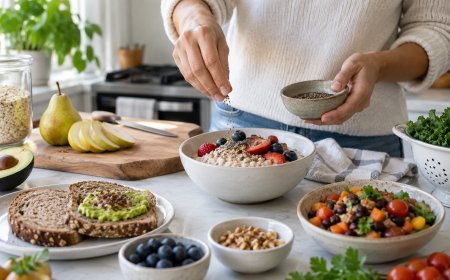
Shopping smarter: choose plain/unsweetened versions—plain yogurt with fresh berries instead of flavored, unsweetened oats you flavor yourself, no-added-sugar nut butters or sauces. Gradually train your palate; foods taste sweeter once sugar intake drops.
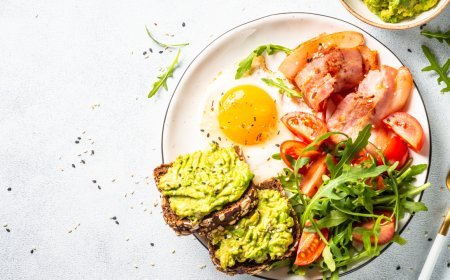
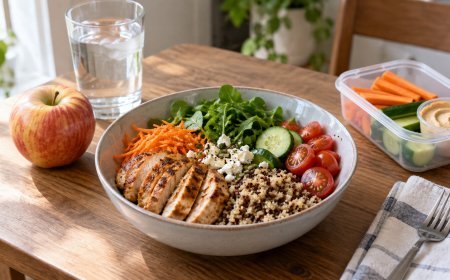
Meal tweaks: build balanced plates with protein, fiber-rich veggies/grains, and healthy fats to stabilize blood sugar and curb cravings. Add protein (eggs, nuts) to breakfast for steadier energy without sugary add-ins.
Bonus 2026 Tips from the New Guidelines
Prioritize whole, minimally processed foods—veggies, fruits (whole, not juiced), whole grains, lean proteins, and healthy fats. Avoid highly processed packaged items (salty/sweet snacks, ready-to-eat meals) that often load up on added sugars. For snacks, stick to options under 5 grams added sugar where possible.
Track for a week using an app or journal—many people are shocked at totals and motivated by quick wins like steadier energy and fewer cravings.
Hidden sugars are everywhere, but they're beatable with awareness and small swaps. Start by scanning one category (e.g., condiments or breakfast items) this week—what hidden source surprises you most? Share below! For personalized advice, especially with conditions like diabetes, consult a doctor or registered dietitian. Your energy, mood, and long-term health will thank you.
What's Your Reaction?
 Like
0
Like
0
 Dislike
0
Dislike
0
 Love
0
Love
0
 Funny
0
Funny
0
 Angry
0
Angry
0
 Sad
0
Sad
0
 Wow
0
Wow
0