


















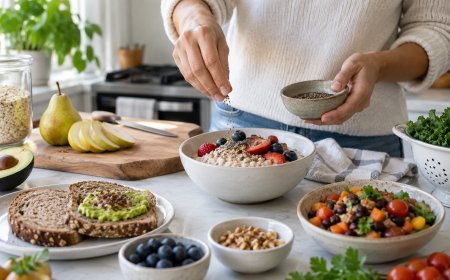







Food as Medicine: The Hottest Trends Shaping Nutrition in 2026

The idea of "food as medicine" isn't new—Hippocrates famously said, "Let food be thy medicine"—but in 2026, it's exploding into one of the biggest health and wellness movements. With chronic diseases like diabetes, heart disease, and obesity straining healthcare systems, experts are increasingly turning to evidence-based nutrition as a frontline tool for prevention, management, and even reversal. Major reports from U.S. News & World Report, EatingWell, and organizations like the American College of Lifestyle Medicine highlight this shift, tying "food as medicine" for top-trend status alongside GLP-1 medications and AI-powered wearables.
This trend goes beyond vague "eat healthy" advice—it's about integrating targeted, nutrient-dense foods into clinical care, community programs, and everyday habits. Here's what's driving the momentum and the key emerging trends you'll see everywhere this year.
1. Food as Medicine Goes Mainstream in Healthcare
Programs prescribing produce, medically tailored meals, and nutrition counseling are expanding rapidly. The U.S. Department of Health and Human Services' Food Is Medicine initiative, backed by public-private partnerships, focuses on using food interventions to tackle chronic conditions and food insecurity. Studies show these approaches—produce prescriptions, food boxes, and customized meals—improve diet quality, boost food security, and reduce healthcare costs.
Experts note a "renewed emphasis on basics": whole, nutrient-dense foods over supplements. Registered dietitians report patients shifting from pill reliance to prioritizing real food for blood sugar control, inflammation reduction, and energy stability. In clinics, "food as medicine" is becoming part of treatment plans for diabetes, hypertension, and metabolic issues, with measurable outcomes like better remission rates for type 2 diabetes.
2. The Ultra-Processed Food Reckoning
A major backlash against ultra-processed foods (UPFs) is underway, with research linking them to higher mortality risk, faster cognitive decline, and metabolic syndrome. In 2026, consumers are scrutinizing "how close is this to its original form?" instead of just calories or macros. The FDA and USDA's push for a uniform UPF definition could lead to clearer labeling, policy changes, and a cultural redefinition of "junk food."
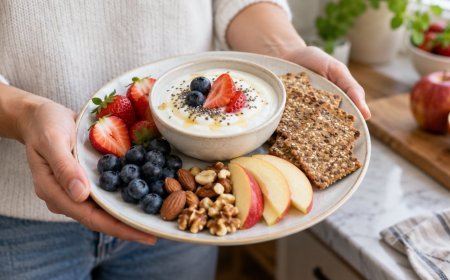
This ties directly to food as medicine: prioritizing whole foods (veggies, beans, nuts, berries) over packaged items loaded with additives. Brands are reformulating to cut UPFs, and people are "trading up" for quality ingredients that support long-term health.
3. Fiber Takes Center Stage (Fibermaxxing)
Fiber is dethroning protein as the nutrient to watch. With gut health now seen as foundational for immunity, mood, metabolism, and cognition, high-fiber foods—beans, berries, chia seeds, oats, veggies—are surging. Prebiotics, probiotics, and synbiotics support the microbiome, helping with satiety, blood sugar balance, and inflammation.
This aligns with food as medicine by emphasizing foods that naturally feed beneficial gut bacteria and reduce chronic disease risk. Expect more fiber-rich functional foods, from snacks to beverages, marketed for digestive and overall wellness.
4. Personalized and Precision Nutrition Gains Ground
AI, genomics, wearables, and microbiome testing are making nutrition truly individual. Apps and tools generate tailored meal plans based on genetics, blood markers, lifestyle, and goals—moving beyond one-size-fits-all diets. This empowers people to use food precisely for their needs, like anti-inflammatory plans for autoimmune issues or brain-boosting foods for cognitive health.
In food as medicine contexts, precision approaches help optimize outcomes for chronic conditions, with growing interest in women's health, longevity, and emotional wellness.
5. Functional Foods and Beverages Evolve
Foods designed to "do more"—with specific benefits—are booming. Think probiotic drinks, adaptogenic blends, nutrient-packed bars, and sensory sips (flavorful, health-focused beverages). Global flavors, natural energy boosters, and reimagined fermented foods add excitement while delivering medicine-like perks.
The focus remains on whole-food foundations: plants, healthy fats, quality proteins. GLP-1 medication users are driving demand for satiating, nutrient-dense options that support steady energy without spikes.
Why This Matters Now—and How to Get Started
With rising healthcare costs and awareness of diet's role in disease, 2026 is the year food as medicine moves from niche to norm. It's empowering, cost-effective, and preventive—focusing on real food to support healthspan (quality years lived) over just lifespan.
To embrace it:
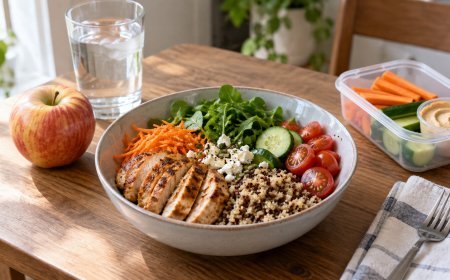
- Prioritize whole, minimally processed foods: fill half your plate with veggies/fruits, add fiber-rich grains/legumes, include healthy fats and proteins.
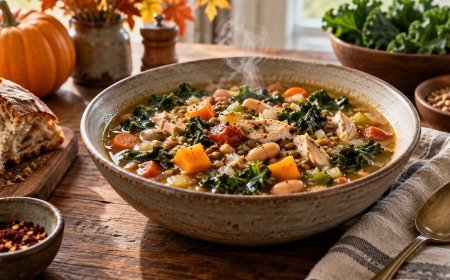
- Experiment with anti-inflammatory staples: berries, leafy greens, fatty fish, nuts, turmeric, olive oil.
- Track how foods make you feel—energy, mood, digestion—for personalized insights.
- Explore local "food as medicine" programs or consult a registered dietitian for tailored guidance.
This trend isn't a fad—it's a return to fundamentals with modern evidence and tools. Food truly can be powerful medicine when chosen intentionally. What's one food-as-medicine swap you're trying this year? Share in the comments! Always consult a healthcare professional before major dietary changes, especially with existing conditions.
What's Your Reaction?
 Like
0
Like
0
 Dislike
0
Dislike
0
 Love
0
Love
0
 Funny
0
Funny
0
 Angry
0
Angry
0
 Sad
0
Sad
0
 Wow
0
Wow
0