






























Seasonal Allergies: Natural Ways to Find Relief
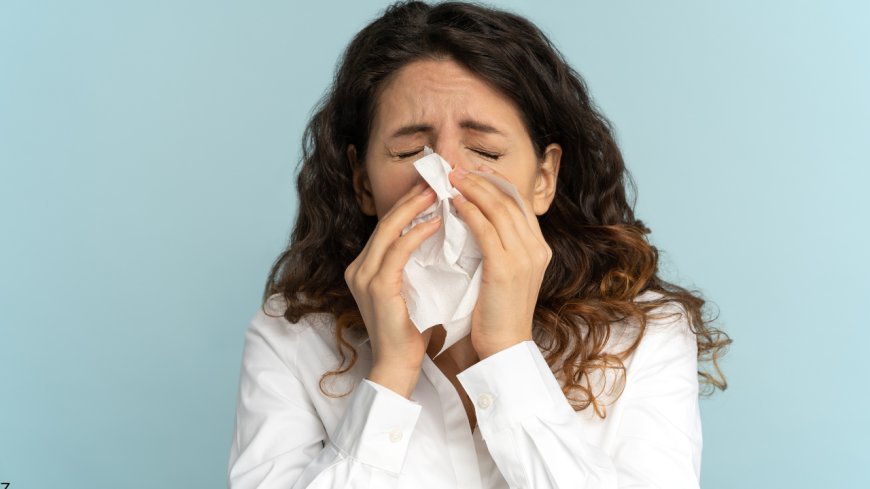
Seasonal allergies affect millions of people each year, leading to sneezing, congestion, itchy eyes, and general discomfort. While over-the-counter and prescription medications can be effective, many people look for natural ways to manage symptoms with fewer side effects and a more holistic approach.
Natural strategies work best when combined with awareness, preparation, and consistency rather than as quick fixes.
Understanding Seasonal Allergies
Seasonal allergies occur when the immune system overreacts to normally harmless airborne substances such as pollen, mold spores, or dust. When these allergens enter the body, the immune system releases histamine and other chemicals, triggering symptoms like runny nose, watery eyes, sneezing, and nasal congestion.
Different allergens dominate different times of the year. Tree pollen is common in spring, grass pollen peaks in early summer, and ragweed is the primary trigger in fall. Identifying your specific triggers allows you to anticipate symptoms and take preventive steps before allergy season intensifies.
Natural Relief Strategies That May Help
Some people find relief by consuming local honey, based on the idea that gradual exposure to local pollen may help the body become less reactive over time. While scientific evidence is mixed, those who try this approach often begin with one teaspoon to one tablespoon daily several months before allergy season begins.
Quercetin is a plant compound found in foods such as onions, apples, berries, and leafy greens. It is believed to help stabilize mast cells, which play a role in histamine release. Including quercetin-rich foods regularly in your diet may support your body’s natural response during allergy season.
Maintaining a nutrient-rich diet that includes vitamin C, omega-3 fatty acids, and antioxidants may also support immune balance and reduce inflammation associated with allergic reactions.
Managing Your Environment to Reduce Exposure
Reducing exposure to allergens is one of the most effective natural strategies. Keep windows closed on high pollen days and use air conditioning with well-maintained filters. After spending time outdoors, showering and changing clothes can help remove pollen from your skin and hair.
Using a HEPA air purifier in bedrooms and frequently used living spaces can reduce airborne allergens indoors. Washing bedding weekly in hot water helps remove pollen, dust mites, and other irritants that may accumulate over time.
Nasal Irrigation and Breathing Support
Saline nasal irrigation can provide immediate relief by flushing allergens, mucus, and irritants from the nasal passages. It is important to use distilled, sterile, or previously boiled water and salt specifically designed for nasal rinses to ensure safety.
Gentle breathing techniques may also help reduce discomfort and stress, which can worsen allergy symptoms. Slow, deep breathing through the nose helps warm and filter incoming air and may ease nasal irritation during flare-ups.
When to Seek Additional Support
Natural approaches can be effective for mild to moderate symptoms, but severe or persistent allergies may require medical treatment. If symptoms interfere with sleep, work, or daily activities, or if you experience wheezing or breathing difficulties, professional medical guidance is important.
This article is for informational purposes only and is not intended as medical advice, diagnosis, or treatment. Natural remedies may not be suitable for everyone, and individual responses can vary. Always consult a qualified healthcare professional before starting new supplements, treatments, or if you have existing medical conditions or severe allergy symptoms.
What's Your Reaction?
 Like
0
Like
0
 Dislike
0
Dislike
0
 Love
0
Love
0
 Funny
0
Funny
0
 Angry
0
Angry
0
 Sad
0
Sad
0
 Wow
0
Wow
0