



























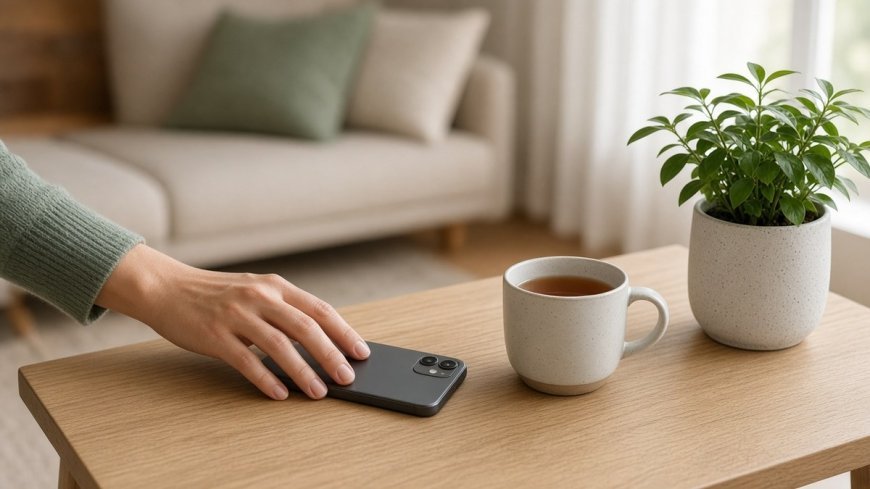


The Essential Guide to Digital Detox: Why It's Crucial for Mental & Physical Health in 2026 – And How to Do It Effectively

Our relationship with technology profoundly shapes mental and physical wellness in an always-on world. With Americans checking phones an average of 186 times per day (about once every 5 minutes while awake, per 2026 Reviews.org data—a slight drop from prior years but still high), constant connectivity drives stress, disrupts sleep, and fragments focus. Regular digital detoxes—intentional breaks from screens and notifications—offer a powerful reset, backed by recent 2025–2026 studies showing improvements in anxiety, depression, sleep, mood, and overall well-being (e.g., one-week social media breaks reduced anxiety by ~16%, depression by ~25%, and insomnia by ~15% in young adults, per JAMA Network Open research).
The Impact of Excessive Screen Time
- Stress and Mental Health Toll — Notifications trigger dopamine hits and stress responses, elevating cortisol and anxiety. Social media correlates with higher depression, lower life satisfaction, and emotional problems (CDC and APA studies link high non-school screen time to increased depression/anxiety symptoms in teens, with bidirectional effects where issues lead to more use). Information overload causes decision fatigue and mental exhaustion.
- Sleep Disruption — Blue light from screens suppresses melatonin (the sleep hormone), though effects vary by intensity, duration, and individual sensitivity (Harvard Health and recent 2025–2026 studies show evening exposure shifts circadian rhythms, but not always dramatically; warm lighting or filters mitigate). Poor sleep impairs mood, cognition, immunity, and recovery.
- Physical Strain — "Text neck," digital eye strain, and poor posture from prolonged use cause neck/shoulder pain and headaches. Frequent device switching/multitasking shortens attention span and reduces deep focus/productivity.
Key Benefits of Regular Digital Detox
Recent evidence (including 2025 Georgetown, Harvard, and meta-analyses) confirms even short detoxes yield gains comparable to therapy or meds in some metrics:
- Restored melatonin and better sleep quality → improved mood, energy, cognitive function, and physical repair.
- Reduced anxiety/depression symptoms and stress → enhanced emotional regulation and well-being.
- Stronger real-world connections → face-to-face interactions build deeper bonds without device competition.
- Boosted creativity and problem-solving → boredom/quiet moments foster innovative thinking and self-reflection.
- Overall well-being lift → including better focus, productivity, and social connectedness.
Practical Digital Detox Strategies
Start small for sustainability—research shows modest, consistent reductions (e.g., limiting specific apps or times) often outperform total abstinence.
- Daily Micro-Detoxes — Begin with 1-hour device-free windows, building up. Create no-phone zones (bedroom, dining table) to safeguard sleep and family meals.
- Morning & Evening Boundaries — No screens for the first 30–60 minutes after waking (replace scrolling with journaling, stretching, or light exposure) and last hour before bed. Use analog alarm clocks; enable night mode or blue-light filters.
- Notification & App Management — Turn off non-essential alerts; batch-check email/social media at set times (e.g., 3x/day). Use built-in screen-time trackers or apps like Freedom to set limits.
- 20-20-20 Rule for Eye Health — Every 20 minutes, look 20 feet away for 20 seconds to reduce strain.
- Weekend Digital Sabbaths — Designate one full or half-day weekly for minimal tech. Plan offline fun: hiking, cooking, reading physical books, or in-person socializing.
Replacement Activities to Fill the Void
Swap screen time with enriching alternatives:
- Physical — Walking (even short neighborhood strolls), yoga, stretching, or exercise for endorphin boosts.
- Creative — Drawing, writing, cooking elaborate meals, crafts, or hobbies.
- Social — Phone calls (audio only), visits with friends/family, or community events.
- Restorative — Embrace boredom for reflection—journal, meditate lightly, or simply sit with thoughts.
Tips for Long-Term Success in 2026
- Track progress: Note mood, sleep, and focus after a week—many see sharper attention and fewer "phantom buzz" urges by days 5–10.
- Tailor to your life: Focus on "toxic" apps first (e.g., social media culprits like Instagram/Snapchat).
- Use tools mindfully: Night mode, grayscale settings, or "digital sunset" alarms.
- Be gentle: It's not about perfection—aim for balance where tech serves you, not vice versa.
What's Your Reaction?
 Like
0
Like
0
 Dislike
0
Dislike
0
 Love
0
Love
0
 Funny
0
Funny
0
 Angry
0
Angry
0
 Sad
0
Sad
0
 Wow
0
Wow
0