





























Sleep Score Calculator: 10 Questions to Fix Your Nighttime Routine
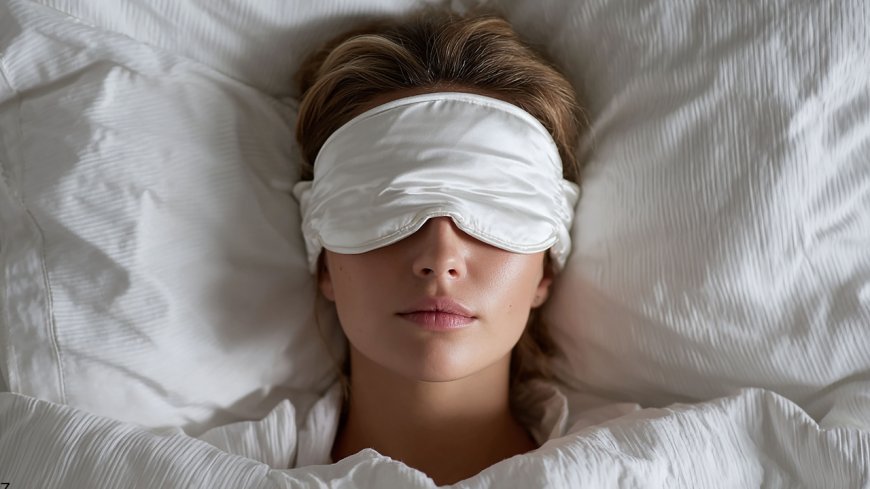
Sleep is one of the most important pillars of health, yet it’s often the most neglected. Many people wake up feeling tired without fully understanding why. Instead of guessing what’s wrong, a simple sleep score can help identify habits that may be quietly disrupting your nights.
This sleep score calculator is not a medical tool or diagnosis. It’s a practical self-check designed to help you reflect on your nighttime routine and spot areas that may need adjustment. Answer the questions honestly, score yourself, and use the insights to improve your sleep quality over time.
How the Sleep Score Works
Read each question and give yourself a score from 0 to 2.
0 = Rarely or never
1 = Sometimes
2 = Almost always
Add up your total at the end to see how your sleep routine measures up.
Question 1: Do You Go to Bed at the Same Time Most Nights?
Consistency is one of the strongest predictors of good sleep. Going to bed at wildly different times confuses your internal clock, even if you sleep in on some days. A regular bedtime helps your body anticipate rest and release sleep-promoting hormones more efficiently.
If your schedule changes often, your sleep quality may suffer even if the total hours seem adequate.
Question 2: Do You Wake Up Feeling Rested?
Waking up tired is a sign that sleep quality—not just quantity—may be lacking. Feeling refreshed suggests your body is completing enough deep and restorative sleep cycles during the night.
If you rely heavily on alarms and still feel exhausted, your routine may need improvement.
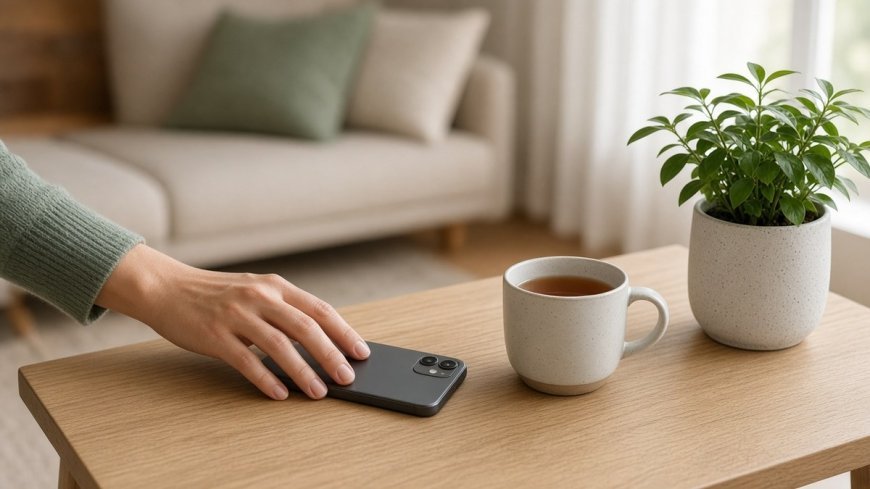
Question 3: Do You Avoid Screens at Least One Hour Before Bed?
Exposure to blue light from phones, tablets, and TVs can delay melatonin production, making it harder to fall asleep. Scrolling late at night also stimulates the brain, keeping it alert when it should be winding down.
Reducing screen time before bed supports faster sleep onset and deeper rest.
Question 4: Is Your Bedroom Quiet, Dark, and Cool?
Your sleep environment plays a major role in how well you rest. Excess noise, light, or heat can prevent deep sleep even if you don’t fully wake up.
A calm, dark, slightly cool room encourages uninterrupted sleep and improves overall sleep quality.
Question 5: Do You Avoid Caffeine Late in the Day?
Caffeine can stay in the body for several hours, sometimes longer than expected. Drinking coffee, energy drinks, or even strong tea in the late afternoon or evening can delay sleep and reduce deep sleep stages.
Limiting caffeine earlier in the day often leads to noticeable improvements at night.
Question 6: Do You Eat Your Last Meal at Least Two to Three Hours Before Bed?
Heavy or late meals can interfere with digestion and make it harder to fall asleep comfortably. Lying down too soon after eating may also disrupt sleep through discomfort or reflux.
Allowing time for digestion helps your body transition into rest mode more smoothly.
Question 7: Do You Get Natural Light Exposure During the Day?
Daytime light exposure helps regulate your circadian rhythm, which controls sleep and wake cycles. Spending time outdoors or near natural light during the day makes it easier to fall asleep at night.
Lack of daylight exposure can throw off sleep timing, even if nighttime habits are solid.
Question 8: Do You Limit Alcohol Before Bed?
While alcohol may make you feel sleepy initially, it often disrupts sleep later in the night. It can reduce deep sleep and increase nighttime awakenings.
Limiting alcohol in the evening helps preserve sleep quality and continuity.
Question 9: Do You Have a Relaxing Pre-Sleep Routine?
A consistent wind-down routine signals to your body that it’s time to rest. This could include reading, stretching, breathing exercises, or quiet reflection.
Without a transition period, the brain may stay in “day mode,” making sleep harder to achieve.
Question 10: Do You Avoid Using Your Bed for Work or Stressful Activities?
Your brain associates environments with behaviors. Using the bed for work, intense discussions, or screen time can weaken the mental connection between bed and sleep.
Reserving your bed primarily for rest helps your body relax more quickly when you lie down.
Scoring Your Sleep Routine
16–20 points: Strong sleep habits
Your routine supports healthy, restorative sleep. Focus on maintaining consistency.
10–15 points: Moderate sleep quality
You’re doing some things right, but a few habits may be holding you back. Small changes can make a big difference.
0–9 points: Sleep routine needs attention
Several habits may be interfering with your rest. Improving even two or three areas can significantly enhance sleep quality.
How to Use Your Score to Improve Sleep
Your sleep score is not a judgment—it’s a starting point. The goal isn’t to fix everything overnight, but to identify the habits that have the biggest impact on your rest. Choose one or two low-effort changes that feel realistic and commit to them consistently for at least one to two weeks before adding anything new.
For example, if your bedtime varies widely, focus first on going to bed at the same time each night. If screen use is your main issue, start by reducing it by just 15 to 30 minutes before sleep rather than eliminating it completely. These small, repeatable actions train your body to recognize predictable cues for rest, which is far more effective than occasional “perfect” nights.
Track how you feel in the morning rather than obsessing over the score itself. Falling asleep faster, waking up fewer times, and feeling more refreshed are signs your routine is working—even if the score improves gradually. Sleep quality is built through rhythm and routine, not rigid rules.
The Bottom Line
Improving sleep doesn’t require expensive gadgets, supplements, or extreme routines. In most cases, the biggest gains come from awareness and consistency. Understanding how your daily habits influence your nights gives you the power to make changes that actually last.
This sleep score calculator is designed to help you reconnect with your natural sleep patterns and recognize what your body responds to best. When you make sleep a daily practice—not just something you think about at bedtime—you create the conditions for deeper, more restorative rest.
Quality sleep isn’t a luxury reserved for perfect schedules or ideal circumstances. It’s a skill you can build, one habit at a time, long before your head touches the pillow.
What's Your Reaction?
 Like
0
Like
0
 Dislike
0
Dislike
0
 Love
0
Love
0
 Funny
0
Funny
0
 Angry
0
Angry
0
 Sad
0
Sad
0
 Wow
0
Wow
0