




















The Surprising Thing That Happens to Your Blood Sugar When You Eat Thanksgiving Pie First
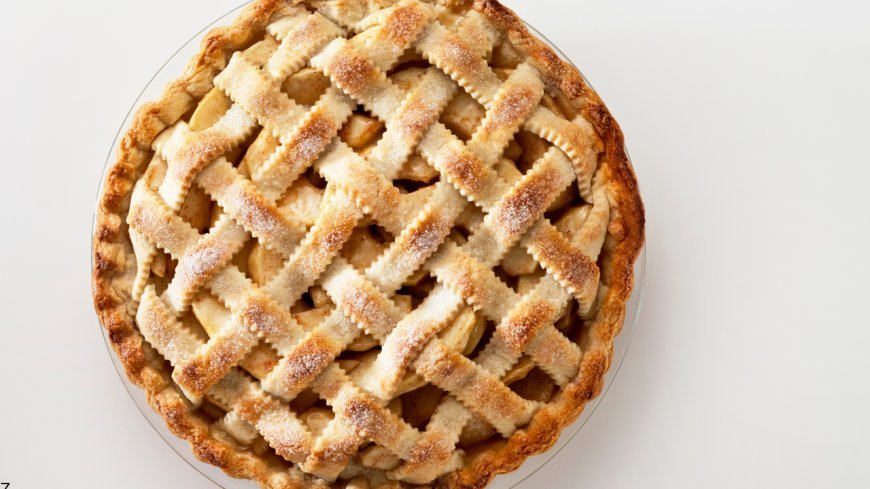
For decades we’ve been told the same thing at Thanksgiving: “Eat your turkey and vegetables first, save the pie for last.” The logic seems bulletproof — starting with sugar on an empty stomach will supposedly send your blood sugar through the roof, trigger a huge insulin surge, and then drop you into a food-coma crash before the Lions game even hits halftime. Grandmas, doctors, and Instagram wellness coaches have drilled this into us forever. Turns out, the exact opposite order can actually keep your blood sugar steadier all day long.
What Actually Happens Inside Your Body When Pie Comes First
Picture this: you take your first bite of warm pumpkin pie. The refined flour crust and sweetened filling hit your stomach and quickly break down into glucose. Within 15–20 minutes, blood sugar starts rising fast and your pancreas releases a strong, early wave of insulin. That part is true — there is an initial spike.
But here’s where the magic happens.
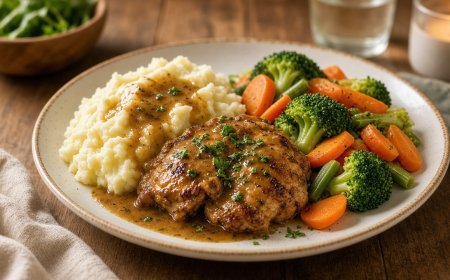
When you follow that pie with turkey (especially dark meat with skin), buttery mashed potatoes, gravy, sausage-laced stuffing, green bean casserole loaded with cream, and a roll slathered in butter, all that protein and fat dramatically slows gastric emptying. Food lingers longer in your stomach and glucose trickles into the bloodstream instead of flooding it. Because insulin is already circulating from the dessert, your cells are primed and ready to shuttle the incoming sugar away efficiently. The result? The total glucose peak over the entire multi-hour feast ends up 30–50 % lower and far smoother than the traditional “savory-first” approach.
The Studies That Turned Conventional Wisdom Upside Down
The breakthrough research came in 2015 from Weill Cornell Medical College and was published in Diabetes Care. Researchers served people with type 2 diabetes an identical meal — chicken, rice, vegetables, and a brownie with orange juice — in two different sequences on different days.
- Day 1 (classic advice): vegetables + protein first, carbs + dessert 30 minutes later
- Day 2 (reversed): carbs + dessert first, vegetables + protein 30 minutes later
The dessert-first group had dramatically lower post-meal glucose spikes, lower insulin levels, and reduced markers of inflammation. Multiple follow-up studies in both diabetic and non-diabetic adults have confirmed the same effect: when a mixed meal contains plenty of fat and protein, eating the carbohydrate portion first consistently produces the gentlest blood-sugar curve.
Italian researchers in 2019 took it further. They tested real restaurant meals (pasta, meat, salad, bread, fruit) and found the same pattern — carb-first order reduced glucose excursions by up to 46 % compared with vegetable/protein-first. The mechanism is simple: early insulin + delayed gastric emptying = metabolic harmony.
Why You’ll Feel the Difference All Thanksgiving Day
A smoother blood-sugar curve doesn’t just look good on a graph — it changes how the entire holiday feels.
- No 3 p.m. “turkey coma” that hits right after the main course
- Kids (and adults) stay regulated instead of bouncing between hyper and cranky
- You actually have energy for board games, family photos, or that evening walk
- You wake up Friday morning without the usual bloating, brain fog, and regret
Many people report they can enjoy second helpings of pie later without feeling worse — because their body never went into glucose overload in the first place.
How to Make the “Pie First” Strategy Work Perfectly
- Start with just one normal slice — don’t go overboard. The effect works best with a moderate portions.
- Pair your pie with a small handful of nuts, a slice of cheese, or a dollop of whipped cream to add fat right from the beginning.
- Move on to the high-fat, high-protein items within 10–30 minutes (dark meat turkey with skin, cheesy casseroles, deviled eggs, bacon-wrapped anything).
- Eat slowly and enjoy conversation — the longer the gap between courses, the better the effect.
- Save the lowest-fiber, highest-carb sides (dinner rolls, cranberry sauce, sweet potatoes with marshmallows) for midway through the protein course, not first.
Bonus Tips for an Even Happier Thanksgiving
- Take a 10–15 minute walk after the meal — even around the block — to further lower blood sugar naturally.
- Stay hydrated with water or sparkling water between bites; dehydration exaggerates glucose spikes.
- If you’re hosting, serve dessert plates at the same time as the main course. No one will judge — they’ll thank you when they’re still laughing at 8 p.m. instead of passed out.
This Thanksgiving, give yourself permission to break the old rule. Grab that fork, cut into the pie first, and enjoy the most energized, guilt-free holiday feast you’ve ever had.
Happy Thanksgiving — may your blood sugar be stable and your pie be delicious! 🥧🦃
What's Your Reaction?
 Like
0
Like
0
 Dislike
0
Dislike
0
 Love
0
Love
0
 Funny
0
Funny
0
 Angry
0
Angry
0
 Sad
0
Sad
0
 Wow
0
Wow
0