



























5 Early Warning Signs of Dehydration You Might Be Missing – And How to Fix It Fast
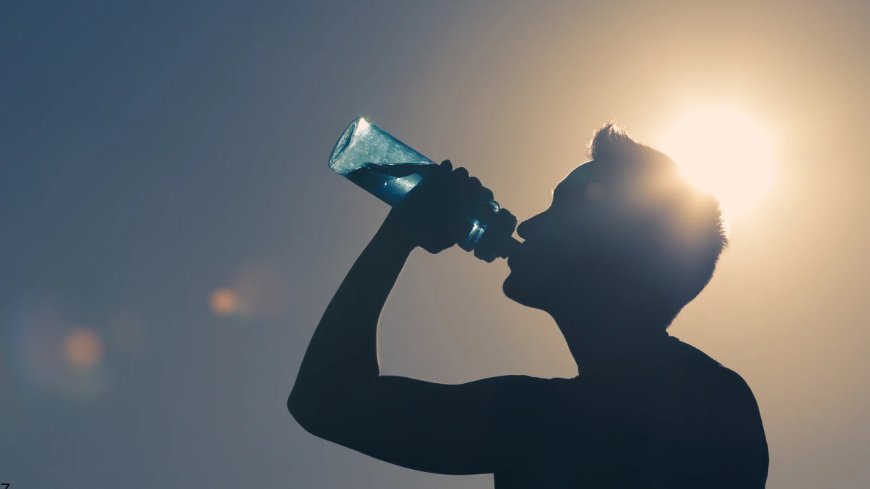
Dehydration sneaks up on more people than you'd expect, often before thirst even kicks in—especially in older adults, busy professionals, athletes, or those in hot climates like summers or heated indoor winters. Mild dehydration (just 1–2% body fluid loss) can impair focus, mood, and physical performance, while moderate cases lead to headaches, fatigue, and more. Many overlook the subtle early signals until they're noticeably depleted. Here are 5 key indicators backed by sources like Mayo Clinic, Cleveland Clinic, and WebMD, plus practical, evidence-based ways to prevent and reverse it quickly.
Sign 1: Dark Yellow or Amber Urine
One of the simplest and most reliable hydration checks is your urine color. Ideally, it should be pale yellow or straw-colored—like weak lemonade. Dark yellow, amber, or strong-smelling urine means your kidneys are concentrating waste due to low fluid levels. This is often the earliest objective sign, appearing before you feel thirsty.
What to do: Make urine color your daily gauge—check it first thing in the morning and throughout the day. If it's dark, drink 16–20 oz of water right away and continue sipping. Track patterns over time; consistently dark urine signals chronic under-hydration.
Sign 2: Persistent Fatigue, Low Energy, or Brain Fog
Feeling unusually tired, sluggish, irritable, or struggling to concentrate? Even mild dehydration reduces blood volume, forcing your heart to pump harder to deliver oxygen and nutrients. Studies show just 2% fluid loss can cause noticeable drops in energy, cognitive function, and mood.
Why it happens early: Your brain is about 75% water, so small deficits hit mental clarity fast. Fix it: Rehydrate gradually—sip water or an electrolyte drink. Many notice improvement in 20–30 minutes. Prevent it by staying ahead: carry a reusable bottle and set phone reminders.
Sign 3: Dry Mouth, Sticky Feeling, or Persistent Bad Breath
A dry or sticky mouth, reduced saliva flow, or noticeable bad breath (from bacterial buildup) often signals dehydration before thirst fully registers. Saliva production drops as fluids decline, leaving your mouth vulnerable.
Early indicator perk: This can appear subtly in the morning or after coffee/tea without enough follow-up water. Solutions: Sip water frequently; chew sugar-free gum or suck on ice chips to stimulate saliva. Add slices of lemon, cucumber, or mint to water for flavor and extra hydration appeal.
Sign 4: Headaches, Dizziness, or Lightheadedness (Especially When Standing)
Dehydration reduces blood flow to the brain, triggering headaches (often tension-like) or orthostatic dizziness (feeling woozy when you stand up quickly). These improve rapidly with fluids in mild cases—often within 30–60 minutes.
Common triggers: Hot weather, exercise, illness (fever, vomiting, diarrhea), or medications like diuretics.
Quick relief: Lie down if dizzy, then drink water slowly. For prevention, pre-hydrate before activity and replace fluids lost through sweat.
Sign 5: Reduced Skin Elasticity (The Skin Tenting or Turgor Test)
Pinch the skin on the back of your hand, forearm, or abdomen for a few seconds, then release. Normally, it snaps back instantly. If it "tents" (stays pinched or returns slowly), it indicates moderate dehydration affecting skin turgor.
Note on reliability: While useful as a quick check (especially in kids or older adults), research shows it's only moderately accurate on its own—best combined with other signs like urine color. It's less precise in elderly people due to natural skin changes. Action: If tenting occurs, hydrate immediately and monitor other symptoms. Don't rely solely on this test.
How to Prevent and Correct Dehydration Effectively Thirst is a late signal—by the time you feel it, you're already 1–2% dehydrated. Proactive habits beat reactive ones:
- Drink consistently: Sip throughout the day rather than gulping when thirsty. Keep a marked bottle visible.
- Incorporate water-rich foods: Aim for 20%+ of fluids from food. Top choices include:
- Cucumbers (96% water)
- Iceberg or romaine lettuce (95–96%)
- Celery (95%)
- Watermelon, strawberries, oranges, cantaloupe (90%+)
- Zucchini, tomatoes, bell peppers, soups/broths These add volume, nutrients, and electrolytes naturally.
- Add electrolytes smartly: During intense exercise, hot/humid weather, illness, or heavy sweating, plain water isn't enough—add electrolyte packets, coconut water, or sports drinks to replace sodium, potassium, and magnesium.
- Limit dehydrators: Cut back on alcohol, excessive caffeine, sugary sodas—these increase fluid loss.
- Monitor and adjust: Weigh yourself before/after workouts to gauge sweat loss (1 lb ≈ 16 oz fluid). Urine should stay pale.
Daily Hydration Goals – Personalized and Realistic The classic "8 glasses (64 oz)" is a solid starting point, but needs vary:
- General adults: Mayo Clinic and National Academy of Medicine recommend ~11.5 cups (92 oz / 2.7 L) total fluids for women and ~15.5 cups (124 oz / 3.7 L) for men—including from food and all beverages.
- Adjust up: Add more for exercise (extra 12–24 oz per hour), heat, altitude, pregnancy/breastfeeding, illness, or high-fiber/protein diets.
- Individual factors: Smaller body size, older age, or certain meds may mean lower needs—consult your doctor if unsure.
Stay ahead of dehydration: It's preventable, reversible early on, and dramatically improves energy, focus, and overall health. Start tracking your urine color today and build one small habit—like adding a hydrating fruit snack. Your body will thank you! If symptoms persist (confusion, rapid heartbeat, no urine for 8+ hours), seek medical help immediately.
What's Your Reaction?
 Like
0
Like
0
 Dislike
0
Dislike
0
 Love
0
Love
0
 Funny
0
Funny
0
 Angry
0
Angry
0
 Sad
0
Sad
0
 Wow
0
Wow
0