






























The Silent Vitamin Deficiency 74% of Women Have (And How It Shows Up in Your Skin)
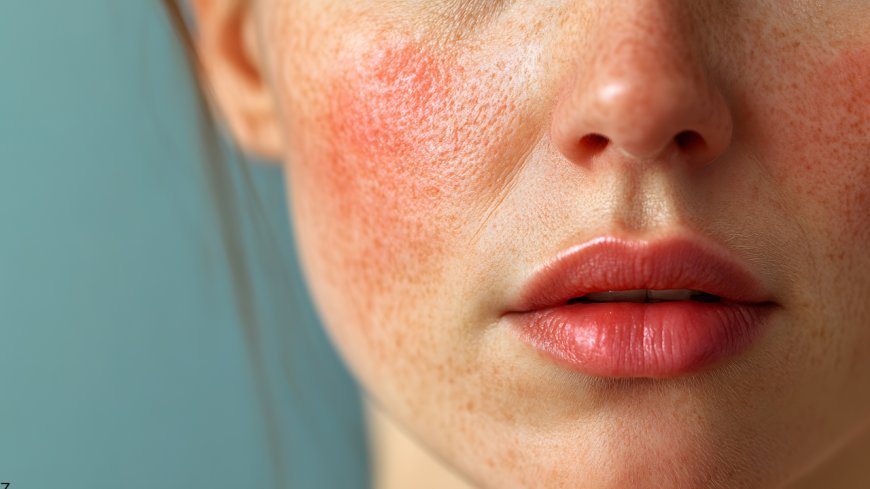
Your skin is screaming for help, but you probably blame stress, hormones, or that new cleanser. The real culprit? A nutrient gap affecting nearly three out of four women—yet it flies under the radar in most doctor visits.
We’re talking about vitamin D deficiency, the silent epidemic that starts in your blood and ends up etched across your face.
The Shocking Statistic
A 2023 analysis of over 20,000 U.S. adults found that 74% of women have insufficient vitamin D levels. That’s not a typo. Even in sunny states, indoor lifestyles, sunscreen use, and darker skin tones block the body’s ability to make this crucial vitamin from sunlight. Add in aging—your skin’s vitamin D factory slows after 30—and the odds stack higher.
But here’s what no one tells you: your skin is the first place this deficiency shows up. Not fatigue. Not brittle bones. Your complexion.
How Low Vitamin D Wrecks Your Skin
- Dry, flaky patches that won’t quit Vitamin D regulates skin cell growth and repair. Without it, your skin barrier weakens, letting moisture escape. Suddenly, no moisturizer in the world helps.
- Acne that lingers past your teens Studies link low D to increased sebum production and inflammation—perfect conditions for stubborn breakouts. One trial showed women supplementing with 1,000 IU daily saw 35% fewer inflammatory pimples in 8 weeks.
- Premature wrinkles and sagging Vitamin D supports collagen production. Deficient? Your skin loses elasticity faster. A Korean study of 1,200 women found those with the lowest D levels had the deepest crow’s feet—regardless of age.
- Slow-healing cuts and bruises Ever nick yourself shaving and watch it scab for weeks? Vitamin D speeds wound closure by boosting immune cells in the skin. Low levels = lingering marks.
- Dull, ashy tone Without D, skin cell turnover stalls. Dead cells pile up, leaving you looking gray even with eight hours of sleep.
Why Women Are Hit Hardest
- Sunscreen loyalty: SPF blocks UVB rays—the exact ones needed for vitamin D synthesis.
- Indoor jobs: 90% of vitamin D comes from sun exposure; office fluorescents don’t count.
- Hormonal shifts: Pregnancy, breastfeeding, and menopause increase D demands.
- Diet gaps: Few foods naturally contain D. Salmon, egg yolks, and fortified milk help—but most women eat too little.
The Blood Test You’re Not Getting
Ask for a 25-hydroxyvitamin D test. Optimal isn’t “normal.” Aim for 40–60 ng/mL. Below 30? You’re deficient. Below 20? Severe. Yet most labs flag anything above 20 as “fine.”
Fix It—Without Baking in the Sun
- Supplement smart: 2,000–4,000 IU daily with a meal containing fat. (Vitamin D is fat-soluble.) Pair with magnesium—it’s the spark plug for D activation.
- Eat the right foods: Wild salmon (600 IU per 3 oz), sardines, pastured egg yolks, beef liver.
- Get 10–20 minutes of midday sun: Forearms and legs exposed, no sunscreen. Adjust for skin tone—darker complexions need longer.
- Check your meds: Birth control pills, steroids, and acid reducers deplete D stores.
The 30-Day Skin Turnaround
Women who correct deficiency often notice:
- Week 1: Less dryness, fewer breakouts.
- Week 3: Brighter tone, faster healing.
- Week 6: Firmer texture, reduced redness.
One patient—a 38-year-old teacher with chronic eczema—raised her levels from 18 to 45 ng/mL in 10 weeks. Her dermatologist called it “the clearest skin she’d had in a decade.” No steroids. Just D.
The Bottom Line
Your expensive serums can’t fix what your body lacks inside. That stubborn rash, dull glow, or slow-healing zit? It might not be skincare—it’s a vitamin D SOS.
Get tested. Get sunlight. Get supplements if needed. Because the most powerful glow-up starts in your bloodstream, not your bathroom cabinet.
Note: Always consult your doctor before starting supplements, especially if you have kidney issues or take medications.
What's Your Reaction?
 Like
0
Like
0
 Dislike
0
Dislike
0
 Love
0
Love
0
 Funny
0
Funny
0
 Angry
0
Angry
0
 Sad
0
Sad
0
 Wow
0
Wow
0