

























What Happens When Your Body Needs More Sleep
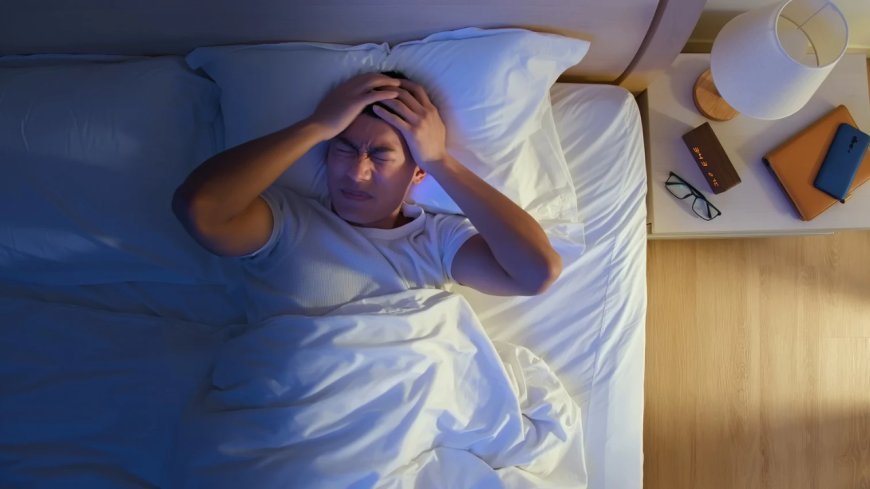
Sleep is the ultimate reset button for your body and mind, but in the rush of daily life, it’s often the first thing we skimp on. When you’re not getting enough rest, your body sends clear signals—some subtle, others loud and impossible to ignore. Ignoring these signs can drag down your energy, mood, focus, and even long-term health. Recognizing them early and making small, manageable tweaks can help you feel sharper, lighter, and more like yourself again. Below are seven common signs your body is craving more sleep, paired with practical, low-effort ways to address them for a quick turnaround.
Sign 1: You’re Dragging All Day, Even After Coffee
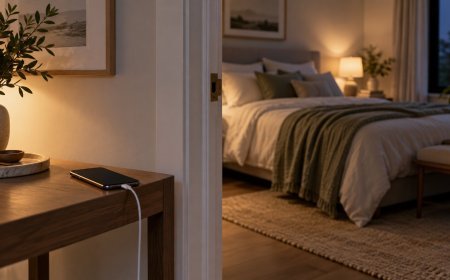
Feeling sluggish or foggy despite your usual caffeine hit is a classic red flag. When sleep is lacking, your brain struggles to produce adenosine (a chemical tied to alertness) at normal levels, and no amount of coffee can fully compensate. This isn’t just tiredness—it’s your body begging for deeper rest to restore energy pathways. To fix this, aim for a consistent bedtime, even if it’s just 15–30 minutes earlier each night. Create a no-screen wind-down routine—swap your phone for a book or calming music 20 minutes before bed to signal your brain it’s time to shut off. If daytime naps work for you, a quick 20-minute power nap before 3 p.m. can recharge without disrupting nighttime sleep.
Sign 2: You’re Snapping or Moody for No Reason
Irritability or sudden mood swings often stem from sleep deprivation disrupting emotional regulation in the brain’s prefrontal cortex. Small annoyances feel huge, and patience wears thin fast. To counter this, prioritize seven to nine hours of sleep nightly—most adults need this range for optimal function. Try a five-minute bedtime ritual: jot down tomorrow’s to-dos to clear mental clutter, or practice slow, deep breathing to calm your nervous system. If stress keeps you up, a warm (not hot) shower before bed can lower body temperature and ease you into sleep faster.
Sign 3: You Can’t Focus or Keep Forgetting Things
Struggling to concentrate or misplacing keys and thoughts more than usual points to sleep’s role in memory consolidation and cognitive clarity. Without enough rest, the hippocampus (your brain’s memory hub) can’t process or store information effectively. To fix this, stick to a regular sleep schedule, even on weekends, to stabilize your internal clock. Cut caffeine after 2 p.m.—it can linger in your system for six to eight hours, blocking restful sleep. If focus issues persist, try a 10-minute mindfulness practice before bed to quiet racing thoughts and improve sleep quality.
Sign 4: You’re Hungry All the Time, Especially for Junk
Sleep deprivation messes with hunger hormones—ghrelin spikes (craving trigger), while leptin (satiety signal) drops. This makes you ravenous, often for sugary or carb-heavy snacks, as your body seeks quick energy. To address this, aim for a sleep-friendly diet: eat protein and fiber-rich meals earlier in the day to stabilize blood sugar, and avoid heavy or spicy dinners that disrupt rest. Set a nightly “kitchen closed” time three hours before bed to give digestion a break. If cravings hit, sip herbal tea like chamomile—it’s calming and keeps you hydrated without sugar.
Sign 5: You’re Getting Sick More Often or Feel Run-Down
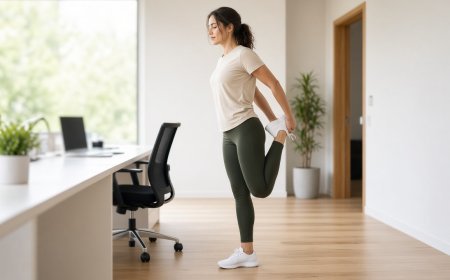
Frequent colds, lingering fatigue, or just feeling “off” can signal sleep’s impact on your immune system. Less rest means fewer immune cells and slower recovery from daily wear. To boost resilience, create a dark, cool bedroom environment—use blackout curtains or an eye mask and keep the temperature between 60–67°F for ideal sleep conditions. If you’re short on sleep, avoid intense evening workouts, which can overstimulate and delay rest. Instead, gentle stretching or yoga can relax muscles and prep you for better shut-eye.
Sign 6: Your Workouts Feel Harder or You’re Not Recovering
If exercise feels like slogging through mud or you’re sorer than usual, lack of sleep may be slowing muscle repair and energy restoration. During deep sleep, your body releases growth hormone to rebuild tissues and recharge. To fix this, protect your sleep window by avoiding blue light from screens at least an hour before bed—blue light blockers or amber glasses work if you can’t unplug. If you’re an early riser, shift workouts to morning or midday when energy peaks, and ensure you’re getting at least seven hours to support recovery.
Sign 7: You’re Relying on Quick Fixes to Stay Awake
Reaching for energy drinks, extra coffee, or sugar hits to power through the day is a sign you’re running on empty. These temporary boosts mask the root issue—insufficient sleep—and can make it harder to rest later. To break the cycle, establish a sleep priority mindset: treat rest as non-negotiable, like a meeting you can’t skip. Experiment with a 10-minute “rest reset” during the day—lie down, close eyes, breathe slowly—to reduce reliance on stimulants. If sleep struggles persist, limit alcohol, which fragments sleep quality even if it helps you nod off initially.
Small Steps for Big Sleep Wins
The fix isn’t about perfection—it’s about stacking small habits that add up. Start with one or two changes: pick a consistent bedtime, dim screens at night, or skip that late coffee. Track how you feel after a week of seven-plus hours—most notice sharper focus, better mood, and fewer cravings fast. If you’re still struggling, consider a sleep diary to spot patterns (late meals, stress, or noise) or check your mattress and pillows—worn-out gear can disrupt rest without you realizing.
Sleep isn’t a luxury; it’s the foundation of feeling good, moving well, and handling life’s demands. Spotting these signs early and acting with simple tweaks can turn things around quickly. Which sign hit home for you? Try one fix tonight—maybe a no-screen wind-down or earlier bedtime—and see how it feels. Your body’s ready to recharge; give it the chance.
What's Your Reaction?
 Like
0
Like
0
 Dislike
0
Dislike
0
 Love
0
Love
0
 Funny
0
Funny
0
 Angry
0
Angry
0
 Sad
0
Sad
0
 Wow
0
Wow
0