


























Plant-Based Proteins: Complete Guide for Non-Vegetarians
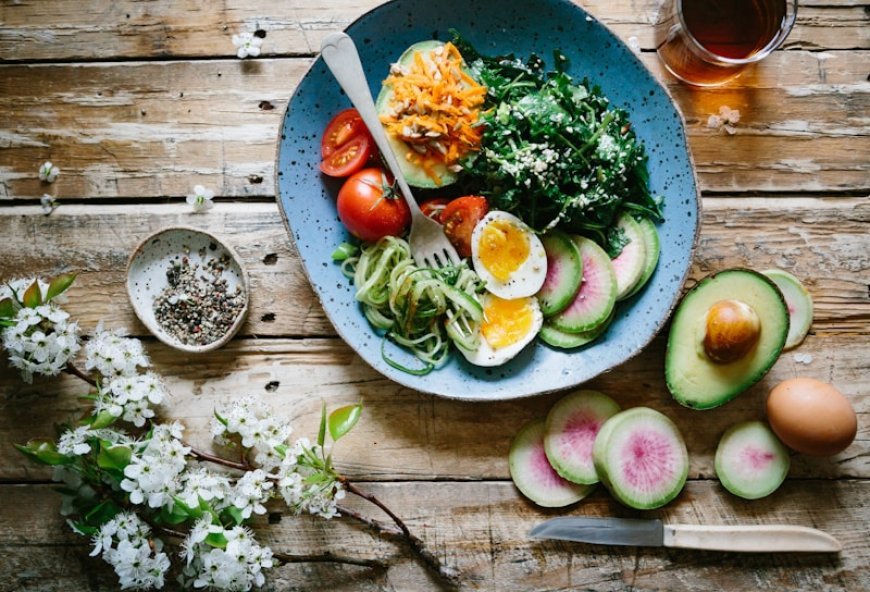
You don’t need to be vegetarian to enjoy the benefits of plant-based proteins. Incorporating more plant proteins into your diet can improve overall health, add variety and flavor to meals, and even reduce your environmental footprint. With a little creativity, plant proteins can be just as satisfying and versatile as animal-based sources.
Why Include Plant Proteins
Plant proteins often come naturally packaged with fiber, antioxidants, and phytonutrients—benefits that most animal proteins lack. They are generally lower in saturated fat, which can help support heart health and reduce inflammation throughout the body.
Research consistently shows that diets higher in plant proteins are linked to lower risks of heart disease, type 2 diabetes, and certain cancers. Beyond personal health, plant proteins are more environmentally sustainable, requiring fewer resources and producing less greenhouse gas than animal proteins.
Complete vs. Incomplete Proteins
Complete proteins contain all nine essential amino acids the body cannot produce on its own. While most animal proteins are complete, several plant sources also provide complete amino acid profiles. Quinoa, buckwheat, hemp seeds, and chia seeds are excellent examples of plant-based complete proteins.
Most plant proteins are incomplete on their own, meaning they lack one or more essential amino acids. However, combining different plant foods throughout the day ensures you get all the amino acids your body needs. Classic combinations include rice and beans, hummus with whole-grain pita, or peanut butter on whole-grain bread.
Top Plant Protein Sources
Legumes are among the most protein-dense plant foods. Lentils provide about 18 grams of protein per cooked cup, chickpeas offer 15 grams, and black beans contain roughly 15 grams per cup. Beyond protein, legumes are rich in fiber, iron, magnesium, and other essential minerals.
Nuts and seeds offer both protein and healthy fats. Almonds contain 6 grams per ounce, hemp seeds provide 10 grams per three tablespoons, and chia seeds supply 5 grams per two tablespoons. These can easily be added to smoothies, yogurt, or salads for a quick protein boost.
Grains and pseudo-grains also contribute meaningfully to protein intake. Quinoa provides 8 grams of complete protein per cooked cup, oats contain 6 grams along with heart-healthy beta-glucan fiber, and buckwheat offers 6 grams per cup while being naturally gluten-free. Ancient grains like amaranth and teff also provide protein along with unique flavors and micronutrients.
Easy Ways to Add Plant Proteins
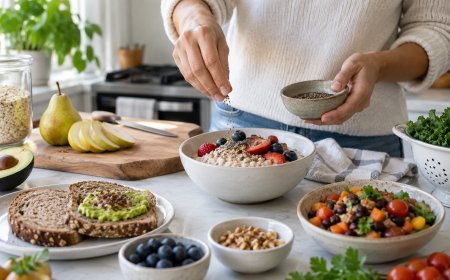
Start your day with a hearty bowl of oatmeal topped with nuts, seeds, or a scoop of plant-based protein powder. Add beans or lentils to salads, soups, stews, or grain bowls for an effortless protein boost.
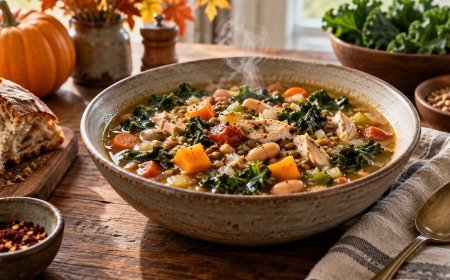
Consider swapping one or two meat-based meals per week with plant-forward options such as chickpea curries, lentil soups, black bean tacos, or vegetable stir-fries with tofu or tempeh. Nuts and seeds make convenient snacks, salad toppers, or even crunchy additions to baked goods.
Preparation Tips
Soaking dried beans and lentils before cooking can reduce cooking time and improve digestibility. Cooking in larger batches and freezing portions makes it easy to add protein-rich foods to meals throughout the week without extra effort.
Experiment with different herbs, spices, and cooking methods to find plant protein dishes you genuinely enjoy. Taste matters as much as nutrition—the most sustainable diet is one you look forward to eating.
The Takeaway
Adding plant-based proteins doesn’t require giving up animal products entirely. Even a few plant-focused meals each week can diversify your nutrition, support long-term health, and introduce you to exciting new flavors. With legumes, grains, nuts, and seeds as your allies, plant proteins can become a delicious, versatile, and essential part of your everyday diet.
What's Your Reaction?
 Like
0
Like
0
 Dislike
0
Dislike
0
 Love
0
Love
0
 Funny
0
Funny
0
 Angry
0
Angry
0
 Sad
0
Sad
0
 Wow
0
Wow
0