






























Why Checking Your Phone Before Bed Is Ruining Your Sleep
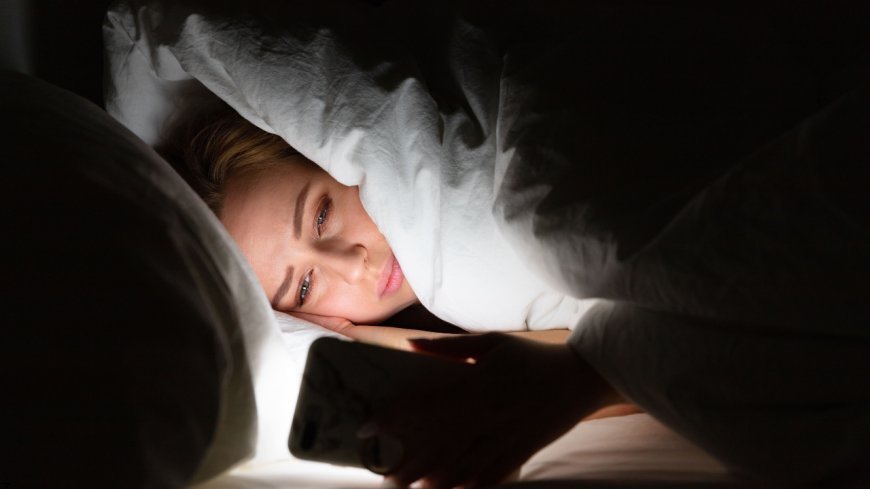
For many people, checking their phone has become the last activity before going to sleep. Whether it’s scrolling through social media, watching short videos, replying to messages, or reading news updates, the habit often feels harmless. In reality, this nightly routine can have a significant impact on sleep quality and overall health.
The moments before bedtime are crucial for preparing the body and mind for rest. When screens dominate this time, the brain remains stimulated instead of gradually slowing down. Over time, this can make it harder to fall asleep, reduce the quality of rest, and leave you feeling tired the next day.
Blue Light and the Sleep Hormone
One of the biggest reasons phones interfere with sleep is the blue light emitted by screens. This type of light affects the body’s production of melatonin, the hormone responsible for signaling that it’s time to sleep. Normally, melatonin levels rise in the evening as the environment becomes darker, helping the body prepare for rest.
When you stare at a bright phone screen at night, the brain interprets the light as a signal that it’s still daytime. As a result, melatonin production slows down, delaying the body’s natural sleep cycle. Even short periods of screen exposure before bed can make it harder to fall asleep and reduce the overall quality of sleep.
Mental Stimulation Keeps the Brain Awake
Phones don’t just emit light—they also provide a constant stream of information and stimulation. Social media posts, news headlines, videos, and messages activate the brain’s attention and emotional centers. Instead of relaxing, the mind stays alert and engaged.
This stimulation makes it difficult for the brain to transition into sleep mode. The mind continues processing information, replaying conversations, or reacting emotionally to what it just saw online. As a result, people may find themselves lying awake longer, struggling to fall asleep even after putting the phone down.
Increased Stress and Overthinking
Another overlooked issue with nighttime phone use is the emotional content people consume before bed. News updates, stressful emails, social media debates, or comparison triggers can easily create anxiety or frustration late at night.
When the brain experiences stress close to bedtime, the body may release stress hormones such as cortisol. These hormones increase alertness and make relaxation more difficult. Instead of entering a calm state that supports sleep, the mind may begin overthinking or worrying, which further delays rest.
Disrupted Sleep Cycles
Checking your phone before bed can also disrupt sleep cycles throughout the night. Notifications, vibrations, or the temptation to quickly check the screen can interrupt deep sleep phases. Even brief awakenings can reduce the restorative benefits of sleep.
Over time, these interruptions may lead to lighter, less refreshing sleep. People often wake up feeling groggy, unfocused, or mentally drained, even if they technically spent enough hours in bed. Consistent, uninterrupted sleep is essential for physical recovery, memory processing, and emotional balance.
The Link Between Screen Time and Insomnia
Research and personal experiences increasingly point to a connection between heavy nighttime screen use and sleep difficulties. Individuals who frequently use their phones in bed are more likely to experience symptoms such as delayed sleep onset, shorter sleep duration, and daytime fatigue.
The issue isn’t necessarily technology itself, but how and when it’s used. When phones become part of the bedtime routine, the brain may start associating the bed with stimulation instead of relaxation, making it harder to fall asleep consistently.
Creating a Healthier Bedtime Routine
Improving sleep often begins with small changes to evening habits. One effective strategy is setting a “digital sunset,” where screens are turned off 30 to 60 minutes before bedtime. This allows the brain to gradually slow down and prepare for rest without the interference of bright light or stimulating content.
Replacing phone use with calming activities can make the transition easier. Reading a physical book, stretching gently, journaling, or practicing relaxation breathing can signal to the body that the day is ending. These habits support a smoother shift from wakefulness to sleep.
Protecting Your Sleep and Well-Being
Quality sleep plays a crucial role in mental clarity, emotional stability, immune health, and daily energy levels. Protecting those hours of rest is one of the simplest ways to improve overall well-being.
By reducing phone use before bed and creating a calmer nighttime environment, you give your body the chance to follow its natural sleep rhythms. The result is deeper rest, better focus the next day, and a healthier relationship with technology overall.
What's Your Reaction?
 Like
0
Like
0
 Dislike
0
Dislike
0
 Love
0
Love
0
 Funny
0
Funny
0
 Angry
0
Angry
0
 Sad
0
Sad
0
 Wow
0
Wow
0