





























The Benefits of Digital Detoxing: Reclaiming Your Peace and Focus
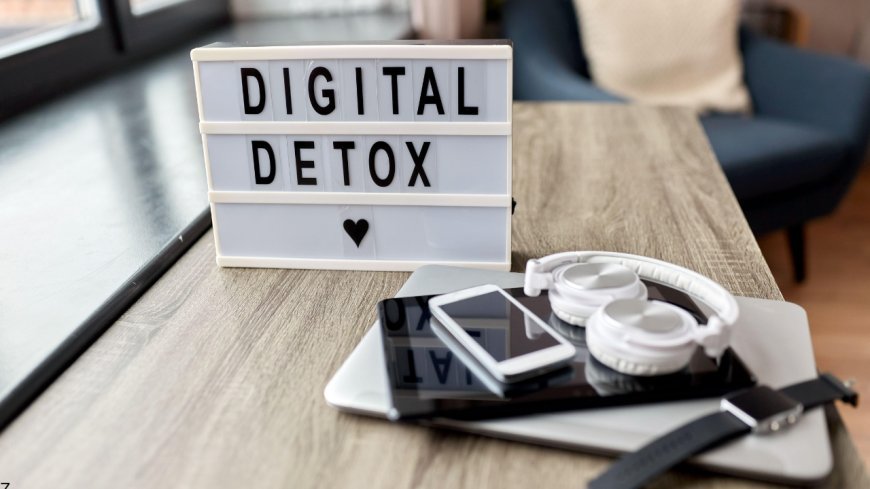
In a world where notifications ping constantly, screens fill every quiet moment, and information streams endlessly, digital detoxing has become one of the simplest yet most powerful ways to reclaim mental clarity, emotional balance, and genuine presence. A digital detox doesn’t mean abandoning technology forever—it means intentionally stepping away for short, regular periods to let your nervous system reset, your attention span recover, and your inner peace return. The effects are often felt within hours or days, and the long-term benefits build quietly into a calmer, more focused life.
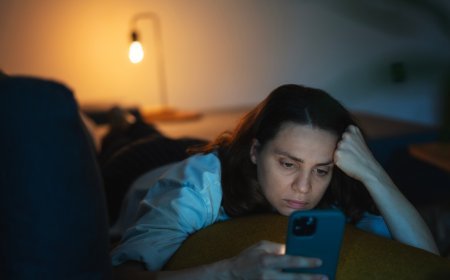
One of the first and most noticeable changes is a dramatic reduction in mental noise. Constant scrolling, app-switching, and background notifications keep the brain in a state of low-level alertness, releasing stress hormones even when nothing urgent is happening. When you disconnect—even for a few hours—the mind begins to settle. Racing thoughts slow down, overthinking quiets, and you start to notice sounds, sensations, and people around you that were previously drowned out. Many people describe this as “hearing their own thoughts again” or feeling like their head finally has space to breathe.
Improved Focus and Attention Span
Focus and attention span improve noticeably after even short breaks from screens. Digital media trains the brain for constant novelty and quick dopamine hits, shortening our natural ability to concentrate. Stepping away allows the attention system to recalibrate. Reading becomes deeper, conversations feel more engaging, and tasks that used to feel scattered start to flow with greater ease.
Studies and personal accounts consistently show that after a day or two without social media or endless tabs, people report being able to sustain focus for longer stretches and remember more of what they read or heard. This renewed attention makes work, hobbies, and learning feel more rewarding instead of fragmented.
Better Emotional Balance
Emotional regulation and mood stability often improve quickly. Excessive screen time—especially social media—can amplify comparison, FOMO, outrage cycles, and self-criticism, all of which quietly drain emotional energy. Disconnecting gives your nervous system a break from these triggers.
Anxiety tends to soften, irritability decreases, and a subtle sense of contentment returns. Without the constant input of other people’s lives, opinions, and curated realities, you have more room to feel your own emotions without external amplification. Many people notice they become kinder to themselves and more patient with others after even brief detox periods.
Improved Sleep Quality
Sleep quality almost always improves when screens are limited, especially in the evening. Blue light suppresses melatonin, the hormone that signals sleep time, while stimulating content keeps the mind active. A simple detox habit—such as avoiding screens one hour before bed—helps the body wind down naturally.
People often fall asleep faster, stay asleep longer, and wake up feeling more refreshed instead of groggy. Better rest then creates a positive loop: more energy during the day makes it easier to resist mindless scrolling, which protects sleep even further.
Stronger Real-World Connections
Real-world connections deepen when digital distractions fade. Conversations become richer because attention is fully present—no glancing at phones, no half-listening while typing. Eye contact increases, laughter feels more genuine, and people report feeling closer to friends, family, and partners after intentional unplugging.
Shared experiences—meals, walks, games—become more vivid and memorable without the filter of a screen. This strengthened sense of belonging and human warmth is one of the most underrated benefits of stepping away from constant digital stimulation.
Increased Creativity and Problem Solving
Creativity and problem-solving often flow more freely during and after a detox. When the mind isn’t constantly fed external input, it has space to wander, make connections, and generate original ideas. Boredom—once avoided at all costs—becomes a fertile ground for insight.
Many people notice they come up with better solutions, remember forgotten projects, or feel inspired to create when they give their brain room to breathe without constant stimulation. This mental freedom allows imagination and curiosity to return naturally.
Better Physical Awareness and Energy
Physical energy and presence in the body increase as well. Without the subtle tension of hunched posture over devices, eye strain, or shallow breathing caused by stress, the body begins to relax.
People report feeling lighter, more grounded, and more aware of basic signals like hunger, thirst, and tiredness—cues that are easy to miss when glued to screens. Simple activities like walking, stretching, or sitting quietly become more enjoyable and restorative.
How to Start a Simple Digital Detox
A digital detox doesn’t have to be extreme to deliver results. Start small and sustainable: try one screen-free evening per week, leave your phone in another room during meals, set a daily “phone-off” hour, or designate tech-free zones like the bedroom or dining table.
Even a few hours a day without constant input can create noticeable calm and clarity. Track how you feel before and after—mood, focus, sleep, and energy—and adjust based on what works best for you. Over time, these small boundaries help transform technology from something that drains your attention into a tool that supports your life.
What's Your Reaction?
 Like
0
Like
0
 Dislike
0
Dislike
0
 Love
0
Love
0
 Funny
0
Funny
0
 Angry
0
Angry
0
 Sad
0
Sad
0
 Wow
0
Wow
0