




























Digital Wellness in 2026: Reclaim Your Energy, Focus, and Peace from Constant Screens

We live in a world where screens are always within reach — phones, laptops, tablets, and smart watches keep us connected 24/7. While technology brings convenience, many people feel constantly drained, distracted, and anxious from endless notifications, scrolling, and blue light exposure.
If you often feel mentally foggy by evening, struggle to fall asleep, or notice your mood dipping after too much screen time, you are not alone. Research in 2026 continues to show that excessive or mindless digital use can affect sleep quality, stress levels, focus, and even overall well-being. The good news? You do not need a full digital detox or to throw away your devices. Small, intentional changes can help you build healthier digital habits that protect your energy and mental clarity.
Why Digital Overload Affects Your Health
Constant screen time keeps your brain in a state of mild alertness, making it harder to wind down. Blue light from devices can interfere with melatonin production, while endless notifications trigger stress responses. Over time, this can lead to poorer sleep, reduced attention span, and feelings of overwhelm. The key is not eliminating technology but using it more mindfully so it supports — rather than steals from — your daily life.
7 Practical Digital Wellness Habits That Actually Work
Here are simple, realistic steps you can start this week. Pick one or two to begin with — small changes often create the biggest improvements.
1. Create a Digital Sunset Routine Turn off non-essential notifications and dim your screens (or use night mode) at least one hour before bed. Replace scrolling with a calming activity like reading a physical book, gentle stretching, or journaling. Many people notice better sleep and more restful mornings within just a few days.
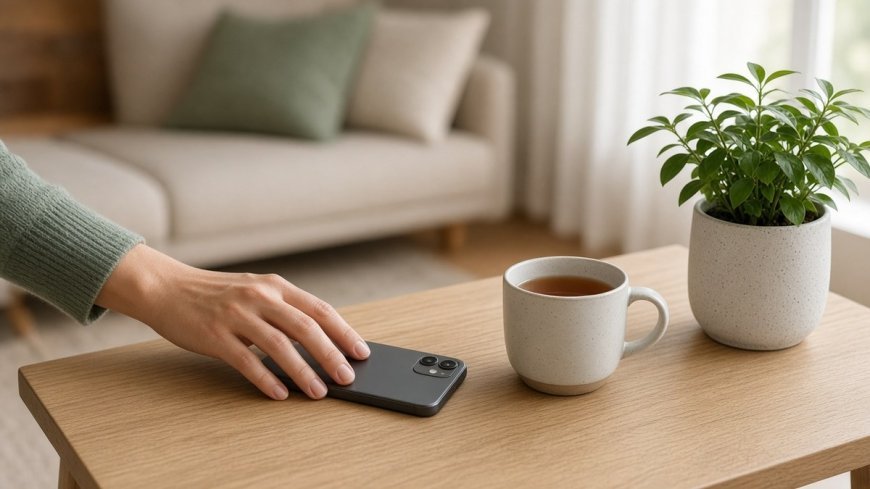
2. Set Phone-Free Zones and Times Designate certain areas or times as screen-free — for example, the bedroom, dinner table, or the first 30 minutes after waking. Charge your phone outside the bedroom at night if possible. These boundaries help your mind relax and strengthen real-life connections.
3. Practice Mindful Scrolling Before opening an app, pause and ask yourself: “How do I want to feel after this?” Set a gentle time limit on social media or news apps using built-in phone tools. Replace mindless doomscrolling with intentional use — check messages or news at set times rather than constantly.
4. Take Regular Movement Breaks Every hour, stand up for a quick stretch, short walk, or eye rest (look at something 20 feet away for 20 seconds — the 20-20-20 rule). Movement improves blood flow to the brain and counters the physical stiffness that comes from prolonged sitting and screen use.
5. Do a Weekly Digital Declutter Delete unused apps, unsubscribe from emails that add stress, and organize your home screen so only helpful apps are front and center. A cleaner digital space reduces decision fatigue and makes it easier to stay focused.
6. Replace Scrolling with Grounding Activities When you feel the urge to pick up your phone, try a short digital-free walk (no headphones), mindful breathing, or a simple hobby like doodling or cooking. These activities bring your attention back to the present moment and naturally boost mood and energy.
7. Use Technology to Support Wellness (Not Replace It) Turn features like Focus mode, grayscale display (which makes scrolling less appealing), or screen time trackers into allies. Track your usage for one week without judgment — awareness alone often leads to healthier choices.
Your Simple Digital Wellness Action Plan
Start small this week: Choose one habit (like a digital sunset or phone-free mornings) and stick with it for seven days. Notice how you feel — many people report clearer thinking, steadier energy, and improved sleep after just a short time. Build from there at your own pace.
Remember, the goal is balance, not perfection. Technology is a tool — you get to decide how it fits into your life.
Final Thoughts: Small Boundaries, Big Benefits
In 2026, true digital wellness is about creating intentional space away from screens so you can feel more present, rested, and energized. By setting gentle boundaries and replacing some screen time with real-world activities, you can protect your mental health without feeling deprived.
Which of these habits feels easiest for you to try first? Have you noticed how reducing screen time affects your energy or mood? Share your experiences or questions in the comments below. For more simple ways to support daily wellness, check out our recent article on the gut-healing grocery list that helps steady your energy from within.
Reclaim your focus and peace — one mindful step at a time.
What's Your Reaction?
 Like
0
Like
0
 Dislike
0
Dislike
0
 Love
0
Love
0
 Funny
0
Funny
0
 Angry
0
Angry
0
 Sad
0
Sad
0
 Wow
0
Wow
0