






























The Spring Reset: How to Refresh Your Habits When the Season Changes
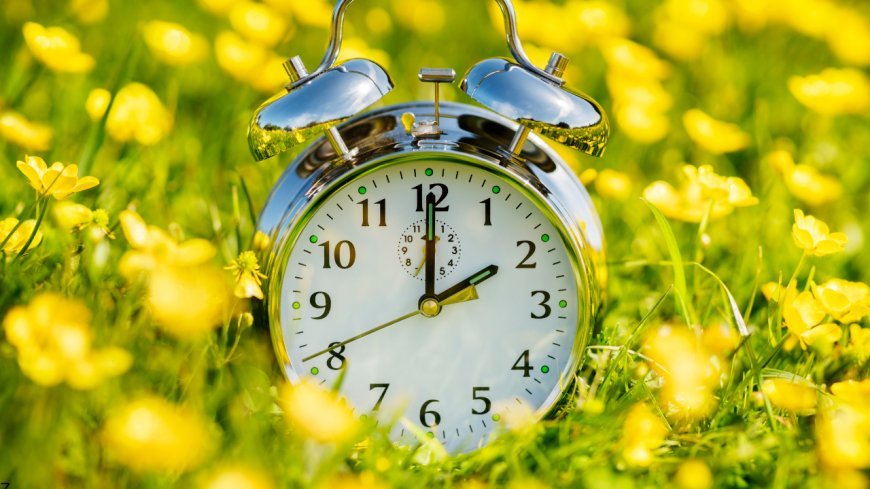
There's something genuinely useful about the change of seasons — not as a metaphor, but as a practical trigger. The days are longer. The air is different. The wardrobe changes. Something in your biology notices.
Spring is one of the best natural reset points in the year, and using it intentionally — rather than just waiting to feel better — produces real results. Here's what a spring wellness reset actually looks like in practice.
Why Seasonal Resets Work
Habit change research consistently shows that 'fresh start effects' — new year, new month, after a birthday, after a major event — increase the success rate of behavior change attempts. The psychological break from the 'old self' reduces the friction of starting something new.
Spring provides this naturally. It doesn't require manufacturing motivation. You just have to notice the moment and use it.
The Sleep Schedule Adjustment
Daylight saving time and the shift toward longer days disrupts sleep patterns for many people in ways they don't fully attribute to the season. If you've felt off-schedule for the past few weeks, you're probably right.
The spring reset for sleep:
• Gradually shift your bedtime and wake time 15 minutes earlier every few days if you've been sleeping in
• Get morning sunlight within 30 minutes of waking — this is the most powerful circadian anchor available and it's free
• Move heavy meals and alcohol earlier in the evening as the days lengthen — both disrupt sleep quality when consumed close to bedtime
Better sleep is the highest-leverage wellness change available to most people. Almost every other health marker — energy, mood, appetite regulation, immune function — improves meaningfully with adequate, well-timed sleep.
The Outdoors Re-Entry
Winter reduces outdoor time for most people in a way that has measurable effects on mood, vitamin D levels, and physical activity. Spring is the natural moment to reverse this.
The reframe: outdoor time isn't just exercise. Even 15–20 minutes of walking outside in natural light has documented effects on mood, attention, and cortisol levels that are distinct from the same time spent indoors.
• Set a default: one outdoor walk per day, even a short one. Attach it to something existing — morning coffee, lunch, after dinner.
• Move one existing habit outside if the weather allows: coffee on a porch instead of inside, stretching on the back steps, a work call on a walk
• Consider vitamin D supplementation if you've been mostly indoors all winter — deficiency is common and genuinely affects energy and mood
Lighter Meals for More Energy
Winter eating patterns often carry more starch, fat, and heaviness than the body needs once the weather warms. This isn't a moralistic observation — it's biological. Our food preferences shift seasonally, and most of us are slow to follow.
The spring dietary shift doesn't require a cleanse or a diet. It's simpler:
• Replace one heavy grain per day with a vegetable or salad — lighter meals produce less post-meal fatigue
• Increase water intake — warmer weather increases passive dehydration even before you feel thirsty
• Take advantage of spring produce: asparagus, peas, radishes, and fresh herbs are at peak flavor and nutritional value right now
The goal isn't restriction. It's alignment with what your body is naturally asking for as the season changes.
The Space Reset
Physical space affects mental state in ways people consistently underestimate. Winter accumulates — clothes, projects, surfaces that get used and not cleared. The psychological heaviness of a cluttered environment is well-documented.
A spring space reset doesn't require a Marie Kondo-level purge. It requires 2–3 hours of focused attention on the spaces you use most:
• Clear flat surfaces: desks, kitchen counters, nightstands
• Deal with one backlogged area: the chair that's become a clothes pile, the kitchen drawer, the storage corner
• Let more light in: clean windows, remove heavy curtains from the season, rearrange furniture if you've wanted to
A cleaner, lighter environment makes every daily habit easier to execute. The morning routine is smoother when the bathroom counter is clear. The journaling habit is easier when the desk has space.
Choosing One New Habit
The most common spring wellness mistake is trying to change everything at once. A full-body overhaul — new workout routine, new diet, new sleep schedule, new morning routine — attempted simultaneously almost always collapses within two weeks.
Better approach: choose one thing. The single change that, if it worked, would have the biggest positive ripple effect on everything else. For many people that's sleep. For others it's daily movement, reduced alcohol, or regular outdoor time.
A simple wellness planner — even a paper one — turns vague intentions into specific commitments. Writing down what you're changing, why, and how you'll track it dramatically increases follow-through.
The Bottom Line
A spring reset isn't about overhauling your life. It's about using a natural transition point to make a few intentional adjustments — sleep timing, outdoor time, eating patterns, your living space, one new habit. Small, consistent changes made at the right moment tend to stick better than large changes forced in January.
What's Your Reaction?
 Like
0
Like
0
 Dislike
0
Dislike
0
 Love
0
Love
0
 Funny
0
Funny
0
 Angry
0
Angry
0
 Sad
0
Sad
0
 Wow
0
Wow
0