


















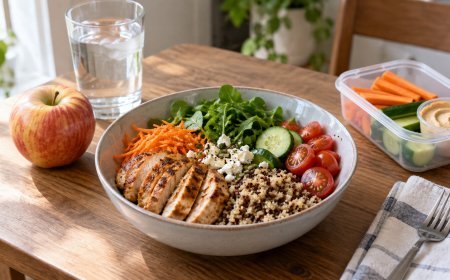






The Gut-Healing Grocery List: 10 Foods That Rebuild Your Microbiome in 2026
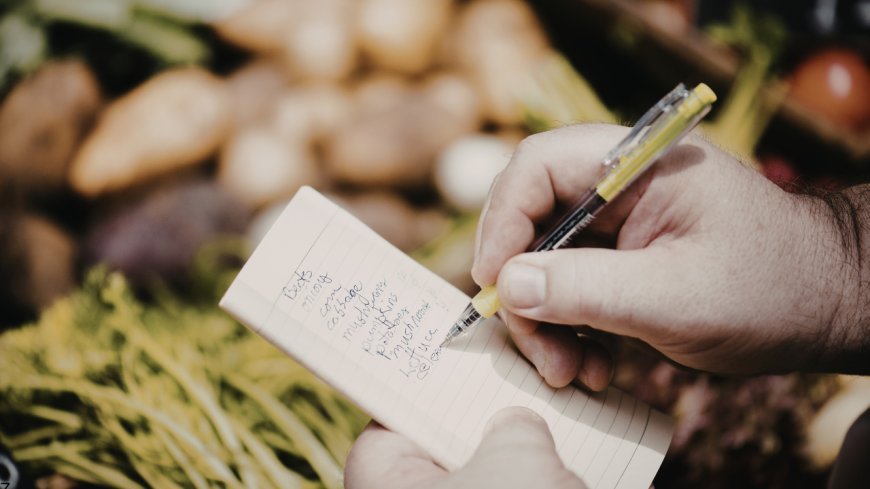
Your gut microbiome — the trillions of bacteria living in your digestive system — plays a huge role in digestion, immunity, mood, and energy levels. After winter indulgences or periods of stress, many people notice bloating, sluggish digestion, or low energy. The good news is you can support and rebuild a healthier microbiome with simple, everyday foods from your local grocery store.
This practical gut-healing grocery list focuses on probiotic foods (which add beneficial bacteria) and prebiotic foods (which feed the good bacteria already there). Best of all, you do not need to overhaul your entire diet. Just add one or two items at a time using the easy meal ideas below. Start small, stay consistent, and you may notice better digestion, steadier energy, and less discomfort within a few weeks.
1. Kefir – The Probiotic Powerhouse
Kefir is a tangy, drinkable fermented milk with a wider variety of beneficial bacteria and yeasts than most yogurts. It is often easier to digest, even for those with mild lactose sensitivity.
Easy ways to add it daily: Drink a small glass plain or blended into a morning smoothie with berries and spinach. Use it instead of milk over cereal or in overnight oats. Start with ½ cup per day and work up.
2. Kimchi – Flavorful Fermented Vegetables
This spicy Korean staple delivers probiotics along with fiber and antioxidants from cabbage and other veggies. It supports gut diversity and may help reduce inflammation.
Easy ways to add it daily: Add a spoonful as a side to eggs at breakfast, mix into rice bowls or stir-fries at lunch, or top tacos and burgers for dinner. Begin with 1–2 tablespoons to let your taste buds adjust.
3. Plain Yogurt with Live Cultures
Choose unsweetened Greek or regular yogurt labeled “live and active cultures.” It provides steady probiotics that help balance your gut ecosystem.
Easy ways to add it daily: Enjoy a bowl with fresh fruit and a sprinkle of nuts for breakfast or as an afternoon snack. Use it as a base for dips, dressings, or to top baked potatoes instead of sour cream.
4. Oats – Prebiotic Fiber Fuel
Oats contain beta-glucan, a soluble fiber that acts as food for beneficial gut bacteria. They help promote regularity and support a thriving microbiome.
Easy ways to add it daily: Make overnight oats with milk or kefir and banana slices, or cook a warm bowl of oatmeal for breakfast. Add a handful of rolled oats to smoothies or use oat flour in baking.
5. Garlic – Natural Prebiotic Booster
Garlic contains inulin and other compounds that feed good bacteria while helping keep harmful ones in check. Fresh garlic offers the strongest benefits.
Easy ways to add it daily: Mince or crush a clove into salad dressings, stir-fries, roasted vegetables, or pasta sauces. Add it to soups, marinades, or even homemade hummus for flavor and gut support.
6. Bananas – Gentle Prebiotic Support
Slightly underripe bananas are rich in resistant starch, a prebiotic that reaches the colon and nourishes beneficial microbes without causing spikes in blood sugar.
Easy ways to add it daily: Slice one onto oatmeal or yogurt at breakfast, blend into smoothies, or enjoy as a simple afternoon snack with a handful of nuts. They are portable and kid-friendly too.
7. Onions – Everyday Prebiotic Vegetable
Like garlic, onions are packed with prebiotic fibers that help good bacteria grow and improve overall gut function.
Easy ways to add it daily: Sauté onions as a base for soups, omelets, or casseroles. Add raw slices to salads and sandwiches, or roast them as a simple side dish.
8. Apples – Fiber-Rich Gut Supporter
Apples provide pectin, a type of soluble fiber that acts as a prebiotic and supports a balanced microbiome.
Easy ways to add it daily: Eat one whole with the skin on as a snack, chop into oatmeal or yogurt, or add to salads for natural sweetness and crunch.
9. Sauerkraut or Other Fermented Veggies
Unpasteurized sauerkraut offers probiotics similar to kimchi but with a milder taste. Look for refrigerated varieties with live cultures.
Easy ways to add it daily: Add a forkful to sandwiches, salads, or grain bowls. It pairs surprisingly well with avocado toast or grilled proteins.
10. Leafy Greens & Asparagus – Extra Prebiotic Variety
Spinach, kale, and asparagus bring fiber and nutrients that promote microbial diversity while supporting overall digestion.
Easy ways to add it daily: Toss handfuls into smoothies, salads, or sautés. Steam asparagus as a quick side or blend spinach into sauces and soups.
Your Simple Gut-Healing Grocery Action Plan
- Week 1: Pick 2–3 items from the list (for example, kefir + bananas + oats) and add them to meals you already eat.
- Shopping tip: Choose plain, unsweetened fermented options and fresh produce. Start with small servings to avoid temporary bloating as your gut adjusts.
- Daily goal: Aim for one probiotic source and one or two prebiotic foods most days. Pair them together — like kefir with banana and oats — for better results.
Consistency matters more than perfection. Many people report less bloating, improved regularity, and more steady energy after a few weeks of these small additions.
Final Thoughts: Nourish Your Gut, Feel the Difference
Rebuilding your microbiome does not require expensive supplements or drastic diet changes. This practical grocery list proves that everyday foods like kefir, kimchi, oats, garlic, and bananas can make a real impact when added thoughtfully to your routine.
Which of these gut-healing foods will you add first this week? Have you noticed improvements in digestion or energy from similar changes? Share your experiences or questions in the comments below. For more simple wellness strategies, check out our recent article on creating a calming morning routine for better digestion and mental clarity.
Nourish from within — your gut (and the rest of you) will thank you.
What's Your Reaction?
 Like
0
Like
0
 Dislike
0
Dislike
0
 Love
0
Love
0
 Funny
0
Funny
0
 Angry
0
Angry
0
 Sad
0
Sad
0
 Wow
0
Wow
0