



























Why Your Salad Dressing Could Be Making You Gain Weight ? (Even on a “Healthy” Salad).
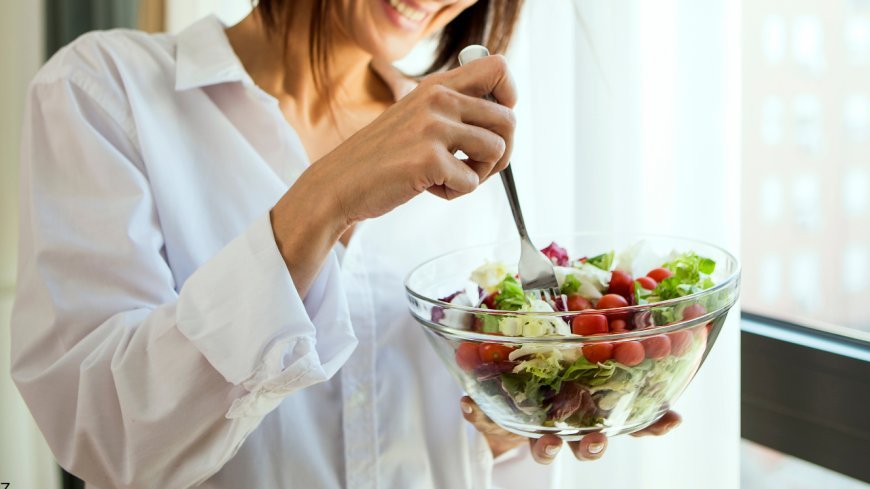
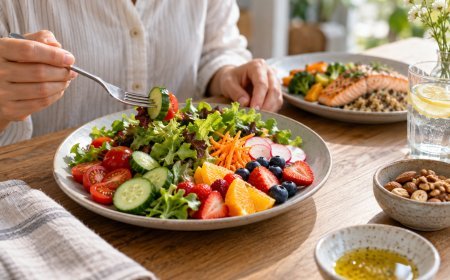
You build a big bowl of leafy greens, add some veggies, maybe a bit of protein, and feel proud of your healthy choice. Then comes the dressing — and suddenly that “light” salad packs more calories than a cheeseburger.
Many people trying to eat better or lose weight in 2026 are unknowingly sabotaged by their salad dressing. A few generous pours can add 200–500+ extra calories, hidden sugars, and unhealthy fats, turning a nutrient-packed meal into one that works against your goals.
The good news? You do not have to eat dry, boring salads. Understanding the hidden traps and making smarter swaps can help you enjoy flavorful salads while supporting your energy, digestion, and weight management.
The Hidden Calorie Trap in Most Dressings
A standard serving size for salad dressing is just 2 tablespoons — but many of us use 4–6 tablespoons or more without realizing it.
Here’s what that looks like in common favorites:
- Ranch or creamy Caesar: 140–180 calories per 2 tbsp (mostly from oil and mayonnaise)
- Blue cheese: 140–150 calories with high saturated fat
- French or sweet vinaigrettes: Often loaded with 8–13 grams of added sugar per serving
Even “light” or “fat-free” versions can be misleading. When manufacturers remove fat, they frequently add extra sugar or thickeners to maintain flavor and texture. The result? Your blood sugar can spike, leaving you hungrier sooner and potentially storing more calories as fat.
Over time, these extra calories from dressings add up fast — sometimes contributing hundreds of unintended calories per day, which can stall weight loss or even lead to gradual gain despite your best efforts.
Why Fat-Free or Low-Fat Dressings Often Backfire
Healthy fats (like those from olive oil) actually help your body absorb important nutrients from vegetables, such as vitamins A, D, E, and K. Removing them entirely means you get fewer benefits from your salad.
Plus, many low-fat dressings compensate with:
- Higher added sugars (which can promote fat storage and cravings)
- More sodium or processed thickeners
- Less satisfying mouthfeel, leading you to use even more
The key is balance — a moderate amount of quality fat paired with acid (vinegar or lemon) is often better than highly processed low-fat options.
Smart Swaps and Easy Fixes for Flavor Without the Weight Gain
You can keep your salads delicious and satisfying while cutting unnecessary calories. Here are practical ways to upgrade your dressing routine:
1. Choose vinaigrettes over creamy dressings Opt for oil-and-vinegar based options like balsamic vinaigrette, Italian, or lemon-herb. They are usually lower in calories and sugar than ranch, Caesar, or blue cheese.
2. Read labels carefully Look for dressings with:
- Fewer than 100–120 calories per 2 tbsp
- Less than 2–3 grams of added sugar
- Minimal processed oils (like soybean oil) and preservatives
3. Make your own simple dressings at home A basic homemade version takes less than 2 minutes and gives you full control:
- 1 part extra virgin olive oil + 2–3 parts vinegar or lemon juice
- Add herbs, garlic, mustard, or a touch of honey for flavor
- Greek yogurt-based versions (mixed with herbs and lemon) create creaminess with far fewer calories and added protein.
4. Use the “Dress It, Don’t Drench It” rule Measure your dressing instead of pouring freely. Start with 1–2 tablespoons total and toss well — you will often need less than you think once everything is evenly coated. Or drizzle lightly on top after mixing.
5. Try flavorful low-calorie alternatives
- Fresh lemon or lime juice with herbs and a drizzle of olive oil
- Balsamic vinegar or apple cider vinegar reductions
- Salsa, hummus, or mashed avocado as creative bases
- Yogurt-based options (plain Greek yogurt mixed with spices) for creaminess without heavy mayo
6. Boost satisfaction with better toppings Add crunch and flavor from herbs, spices, nuts (in moderation), or seeds so you feel less reliant on heavy dressing for taste.
Your Simple Salad Upgrade Action Plan
This week, check the dressings in your fridge or pantry and compare labels. Pick one meal to test a lighter or homemade version. Notice how you feel afterward — many people report steadier energy and fewer cravings when they reduce hidden sugars and excess calories from dressings.
Small changes like these add up without making meals feel restrictive. Salads can still be exciting, tasty, and truly supportive of your health goals.
Final Thoughts: Make Your Salad Work for You
Your salad itself is a fantastic choice for better nutrition and weight management. The dressing does not have to undo those benefits. By becoming aware of hidden calories and sugars, choosing quality ingredients, and using mindful portions, you can enjoy flavorful, satisfying meals that help you feel your best.
Have you ever been surprised by how many calories were in your favorite salad dressing? Which swaps are you most excited to try? Share your experiences or questions in the comments below. For more practical nutrition tips that support steady energy and healthy weight, check out our recent article on the gut-healing grocery list.
Eat well, feel great — one mindful choice at a time.
What's Your Reaction?
 Like
0
Like
0
 Dislike
0
Dislike
0
 Love
0
Love
0
 Funny
0
Funny
0
 Angry
0
Angry
0
 Sad
0
Sad
0
 Wow
0
Wow
0