
















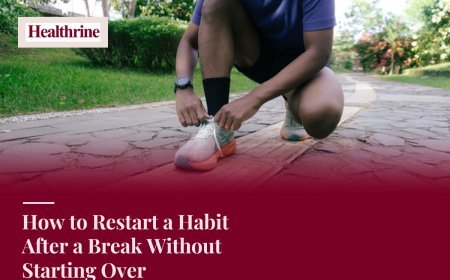













How to Build Mental Toughness: A Simple Guide to Strengthening Your Resilience.

Mental toughness isn’t about being unbreakable or emotionless. It’s the quiet ability to keep showing up, stay steady under pressure, bounce back from setbacks, and keep moving forward even when motivation fades or things feel hard. The good news is that resilience isn’t a rare gift some people are born with—it’s a skill you can train through small, consistent choices. This guide focuses on practical, everyday habits that build real mental strength without requiring extreme discipline or dramatic life changes. Start with one or two that feel doable, and let them compound naturally over time.
Accept That Discomfort Is Part of Growth
Mental toughness begins the moment you stop expecting life to feel easy all the time. Discomfort—whether boredom, doubt, tiredness, or frustration—is not a sign something is wrong; it’s often the signal that growth is happening. When you feel resistance (a tough conversation, a workout that feels heavy, a project that drags), pause and remind yourself: “This feeling means I’m stretching.” Instead of fighting the discomfort or escaping it, name it (“This is hard right now”) and then take one small next step anyway. Over weeks, your brain learns that discomfort is temporary and survivable, which weakens its power to stop you.
Train Through Tiny Daily Commitments
Big leaps build headlines, but tiny, repeated commitments build unbreakable habits. Choose one small thing you can do every single day—no matter how you feel—and stick to it for at least 30 days. Examples: 10 push-ups, a 5-minute walk, writing one sentence in a journal, drinking a full glass of water first thing, or reading one page of a book. The point isn’t the size of the action—it’s proving to yourself that you can follow through consistently. Each completion sends a quiet message to your mind: “I keep my word to myself.” That self-trust is the foundation of mental toughness.
Practice Sitting With Uncomfortable Feelings
Most people run from difficult emotions—anger, sadness, anxiety, boredom—by distracting themselves with scrolling, snacking, or staying busy. Mental toughness grows when you learn to sit with those feelings for a short time without immediately fixing or escaping them. Start with one minute a day: when a hard feeling arises, pause, breathe slowly, and simply notice it (“I feel anxious in my chest right now”). Don’t judge it, don’t solve it—just let it be there. This builds tolerance for emotional discomfort so you don’t crumble when life throws curveballs. Over time, feelings lose their ability to hijack you.
Reframe Setbacks as Data, Not Defeat
When something doesn’t go as planned—a missed workout, a rejected idea, a bad day—your inner voice often defaults to “I’m failing” or “I’m not good enough.” Replace that story with neutral curiosity: “What happened here? What can I learn? What would I do differently next time?” This shift turns every setback into useful information instead of a personal indictment. Write down one lesson after every stumble, no matter how small. Collecting these lessons builds evidence that setbacks are temporary teachers, not permanent proof of inadequacy.
Build a “Done List” Instead of an Endless To-Do List
To-do lists can quietly erode confidence because they highlight everything unfinished. Flip the script by keeping a short “done list” each day—three to five things you actually completed, no matter how basic (“made bed,” “walked 15 minutes,” “answered that email,” “cooked dinner”). Reviewing what you’ve already done at the end of the day creates a sense of progress and capability. This habit trains your brain to notice wins rather than gaps, which strengthens resilience when bigger challenges hit.
Surround Yourself With Evidence of Your Own Progress
Comparison and self-criticism shrink when you regularly remind yourself of your own growth. Keep a simple progress tracker—phone notes, a small notebook, or voice memos—where you log small improvements: “I handled that conversation better than last time,” “I stuck to my morning routine three days this week,” “I stayed calm during stress.” Review it weekly. Seeing your own track record over time creates internal proof that you are moving forward, even on days it doesn’t feel like it.
Protect Your Energy With Boundaries
Mental toughness requires energy, and constant people-pleasing, overcommitting, or doom-scrolling drains it fast. Protect your reserves by saying no to one thing each week that doesn’t align with your priorities, setting phone-free zones (meals, bedtime), and giving yourself permission to rest without guilt. When your tank is fuller, resilience comes more naturally—you recover faster from setbacks and stay steady longer.
Mental toughness grows through quiet consistency, not dramatic hero moments. You don’t need to be the toughest person in the room—you just need to be a little tougher than you were yesterday. Pick one strategy from this guide—perhaps the tiny daily commitment or the done list—and do it for seven days straight. Notice how your inner dialogue softens and your ability to handle hard moments strengthens.
Which small habit feels easiest to start today? Begin there. Your resilience is already building—one steady choice at a time.
What's Your Reaction?
 Like
0
Like
0
 Dislike
0
Dislike
0
 Love
0
Love
0
 Funny
0
Funny
0
 Angry
0
Angry
0
 Sad
0
Sad
0
 Wow
0
Wow
0