



























Is Your Smart Home Making You Dumb? Balancing automation with mental sharpness.
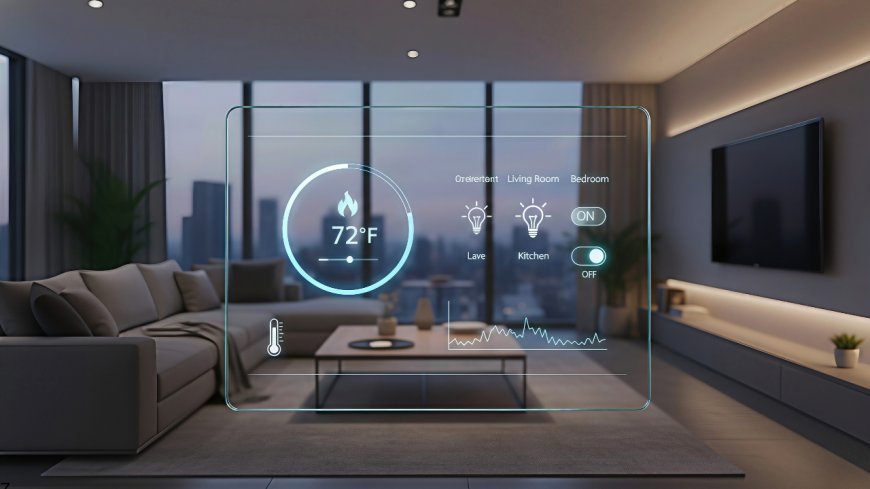
Smart homes in 2026 promise effortless living: lights dim automatically at sunset, thermostats learn your schedule to save energy, voice assistants handle reminders and shopping lists, security cameras alert you to motion, and AI agents even suggest meal plans based on fridge contents. The appeal is obvious—convenience, efficiency, reduced daily friction, and more time for what matters. Yet a growing conversation questions whether this seamless automation comes at a hidden cost to our cognitive edge.
The core concern: when everyday decisions and tasks are offloaded to technology, do we weaken the mental muscles that keep us sharp? Decision fatigue, cognitive offloading, and reliance on external systems can subtly erode focus, problem-solving, memory, and self-efficacy if not managed intentionally. Neuroscientists and wellness experts note that handing over too many micro-choices (what temperature feels right, when lights should turn on, what route to take home) frees bandwidth in the short term but may dull proactive thinking over time. In extreme cases, over-reliance on automation echoes "digital dementia" patterns seen with heavy smartphone use—reduced attention span, weaker working memory, and less mental agility from constant external crutches.
At the same time, smart homes deliver real cognitive and mental health wins. By automating routine drudgery, they lower baseline stress, reduce decision overload, and preserve energy for higher-level thinking. Features like adaptive lighting for mood regulation, sleep-optimized routines, or early detection of behavioral changes (e.g., unusual inactivity signaling potential depression or cognitive shifts in older adults) actively support well-being. Studies on smart home tech for aging populations highlight benefits in early mental health monitoring, while broader automation research shows it can cut family conflicts over small choices and boost overall peace.
The truth isn't binary—smart homes neither inherently "dumb us down" nor magically sharpen our minds. The outcome depends on how intentionally we integrate them. Unchecked, pervasive automation risks cognitive atrophy; used mindfully, it amplifies human potential. Here's how to strike the balance in 2026's increasingly intelligent homes.
Recognize the Double-Edged Sword of Cognitive Offloading
Your brain thrives on active engagement. Routine mental exercises—like remembering thermostat preferences, planning lighting based on time of day, or deciding when to lock doors—keep neural pathways sharp. When smart systems handle these automatically, the brain gets a break from low-level processing, which can reduce fatigue and free resources for creativity or complex problem-solving. Neuroscientists point out that offloading rote decisions (e.g., via AI assistants or predictive thermostats) prevents unnecessary cognitive drain, similar to how calculators don't make us bad at math when used selectively—they handle tedium so we focus on higher math.
However, excessive offloading trains the brain to defer rather than engage. Over time, this can weaken executive functions: initiative, adaptability, and quick recall. If your home anticipates every need, you practice less foresight and adjustment. In vulnerable groups (e.g., older adults or those with mild cognitive concerns), over-automation might accelerate subtle decline by reducing daily mental stimulation. The key risk: turning your home into a passive cocoon where proactive thinking atrophies.
Harness Automation's Mental Health and Sharpness Benefits
Smart homes excel at stress reduction and recovery support—critical for maintaining sharpness. Adaptive environments (e.g., circadian lighting that mimics natural daylight to regulate mood and sleep) combat seasonal affective issues and improve cognitive performance. Voice-controlled systems lower physical and mental effort for those with mobility or memory challenges, preserving independence without constant strain. Predictive features (smart fridges suggesting recipes from inventory, calendars reminding without manual input) eliminate micro-conflicts and decision fatigue, leaving more bandwidth for meaningful pursuits.
Emerging 2026 trends lean toward "wellbeing-first" automation: systems that monitor gently for anomalies (e.g., irregular sleep patterns hinting at anxiety) while prioritizing user control. When designed human-centrically, these tools enhance rather than replace mental effort—alerting you to patterns so you can act intentionally.
Practical Strategies to Keep Your Brain Sharp in a Smart Home
Balance comes from deliberate design—use automation as a servant, not a crutch.
- Preserve Active Decisions Selectively Keep some manual overrides for routine tasks. Turn off auto-adjusting lights one evening a week and choose settings yourself; manually set routines occasionally. This maintains mental engagement without sacrificing convenience.
- Limit Predictive Overreach Disable overly anticipatory features (e.g., AI agents auto-ordering groceries or pre-heating the home without confirmation) unless they truly save meaningful effort. Review and approve suggestions to stay in the decision loop.
- Incorporate Cognitive Challenges Use your smart home to prompt mental exercise: set reminders for brain games, journaling, or unplugged reflection time. Leverage wellness integrations (e.g., guided breathing via speakers) for active recovery rather than passive monitoring.
- Monitor for Over-Reliance Signs Notice if you feel "foggy" when devices glitch or if problem-solving feels harder without automation. Audit weekly: Are you more proactive or reactive? Adjust accordingly—perhaps dial back one feature if dependency creeps in.
- Prioritize Human-Centered Features Choose systems with strong privacy, easy overrides, and transparency (e.g., clear explanations of why a device made a choice). Favor Matter-compatible ecosystems for seamless control without vendor lock-in, reducing frustration that adds cognitive load.
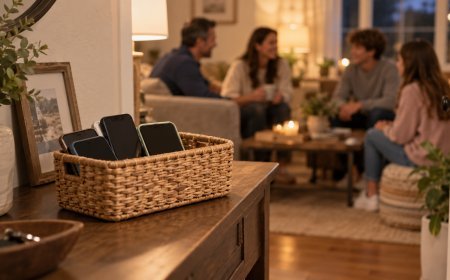
- Build in Analog Anchors Designate device-free zones or times (e.g., meals, bedtime wind-down) to reconnect with unmediated presence. Physical interactions—flipping a switch, adjusting a thermostat manually—ground you and reinforce agency.
Smart homes in 2026 can elevate your life without dulling your mind. When automation handles the mundane, you gain space for deeper thinking, creativity, relationships, and growth. The danger lies in passive surrender; the power comes from conscious stewardship. Audit your setup this week: Which automations free you up, and which quietly replace your sharpness? Tweak accordingly. Your home should sharpen your life—not replace your edge.
What's Your Reaction?
 Like
0
Like
0
 Dislike
0
Dislike
0
 Love
0
Love
0
 Funny
0
Funny
0
 Angry
0
Angry
0
 Sad
0
Sad
0
 Wow
0
Wow
0