



























The "Digital Defense": Protecting mental space from the noise of the 2026 tech landscape
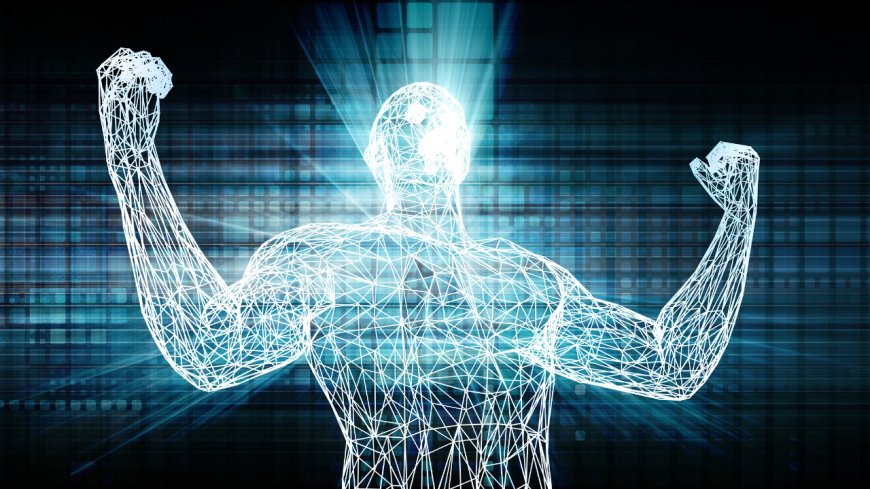
In 2026, the digital world feels omnipresent and accelerating. AI agents handle shopping, scheduling, and even casual conversation; spatial computing blends AR/VR into everyday interfaces with lighter headsets and more immersive overlays; wearables and continuous monitoring track everything from stress levels to sleep patterns; social feeds, now supercharged by generative tools, deliver hyper-personalized (and addictive) content; and always-on connectivity blurs work, leisure, and rest into one seamless, notification-punctuated stream. What once felt like helpful augmentation now often registers as relentless input—constant pings, predictive suggestions, immersive virtual spaces, and the subtle pressure to stay responsive.
This hyperconnected reality creates "tech noise": cognitive overload from data floods, emotional drain from comparison and FOMO, fragmented attention that kills deep focus, and a creeping sense that true mental quiet is impossible. Experts tracking youth and workplace mental health in 2026 highlight how digital systems prioritize engagement over well-being, with AI reshaping expectations so fast that entry-level roles, social connections, and personal downtime suffer. Terms like "techidemics" and "anxiety-tech" capture the rising wave of digital fatigue, where more tools mean more mental strain rather than relief.
The good news: you don't have to unplug entirely or reject progress. A deliberate "digital defense" strategy—proactive boundaries, intentional curation, and recovery rituals—lets you harness 2026's innovations while safeguarding your mental space. Here's how to build that defense in a landscape dominated by agentic AI, spatial immersion, and pervasive monitoring.
1. Establish "Signal Zones" and "Noise-Free" Protocols
The core threat in 2026 is the always-on default. Counter it by creating physical and temporal zones where digital input is minimized or eliminated.
Define device-free spaces: bedroom, dining table, bathroom, or a dedicated "analog corner" in your home. Charge phones outside the bedroom overnight—use a basic alarm clock if needed. In 2026, with AR glasses and spatial overlays creeping into daily wear, this becomes even more vital; set strict "no wearables during meals or conversations" rules to prevent passive data feeds from intruding.
Implement time-based protocols: designate "deep focus windows" (e.g., 90 minutes morning and afternoon) with all notifications silenced and AI assistants paused. Use built-in OS features or apps to enforce grayscale mode, app limits, or "focus modes" that block non-essential services. For spatial tech users, configure AR/VR environments with clear "exit cues" and session timers to avoid immersion creep.
The goal: reclaim chunks of time where your brain processes internally rather than reacting externally. Studies on digital wellness show these boundaries reduce perceived overload and improve emotional regulation.
2. Curate Ruthlessly: Filter Inputs at the Source
2026 tech is designed to personalize aggressively—feeds, recommendations, even AI companions tailor content to maximize time spent. Defend by taking control upstream.
Audit and prune weekly: unfollow accounts that trigger comparison or anxiety; mute group chats that drain energy; disable predictive features (e.g., auto-suggestions in email or shopping) that create decision fatigue. For AI tools, limit to specific tasks—turn off ambient listening or proactive suggestions unless actively needed.
Adopt "input hygiene": replace doomscrolling with curated, high-value sources (e.g., newsletters, long-form podcasts, or intentional reading apps). When using VR/AR for work or relaxation, set content filters to avoid algorithmic rabbit holes. Embrace "digital minimalism 2.0"—keep only 3–5 core apps/tools that truly add value; archive or delete the rest.
This curation shifts from passive consumption to active selection, preserving mental bandwidth for reflection and creativity.
3. Build Recovery Rituals to Reset the Nervous System
Constant connectivity dysregulates the autonomic nervous system—elevated cortisol from endless micro-stresses. Counter with deliberate analog recovery.
Incorporate daily "unplugged resets": 20–30 minutes of walking without devices, journaling, or simple presence exercises (focus on breath, senses). In 2026, leverage wellness tech selectively—use wearables for biofeedback (e.g., guided breathing when stress spikes) but cap tracking to avoid obsession.
Prioritize real human connection: schedule in-person interactions weekly; during calls or meetups, keep devices out of sight. Research shows authentic face-to-face contact buffers loneliness amplified by AI companions or remote-heavy lifestyles.
End days with a "shutdown ritual": review notifications in batches, close apps, and do a quick gratitude scan—no screens 60 minutes before bed to protect sleep from blue light and rumination.
4. Leverage Tech as Ally, Not Overlord
2026 tools can support defense when used mindfully. Set AI agents to handle low-value tasks (e.g., summarize emails, manage calendars) so you focus on meaningful work. Use AR/VR for targeted benefits—meditation environments or exposure therapy simulations—but with strict time limits.
Monitor your own usage: apps that track screen time or mood correlations provide data without overwhelm. If digital noise spikes anxiety, experiment with "tech Sabbaths"—full days offline to recalibrate.
The 2026 landscape rewards those who defend their attention fiercely. By creating boundaries, curating inputs, prioritizing recovery, and using tech selectively, you turn potential overload into controlled enhancement. Your mental space isn't infinite—protect it like the high-value asset it is. Start small: pick one zone or ritual this week. In a world racing toward more immersion, the quiet you create becomes your greatest advantage.
What's Your Reaction?
 Like
0
Like
0
 Dislike
0
Dislike
0
 Love
0
Love
0
 Funny
0
Funny
0
 Angry
0
Angry
0
 Sad
0
Sad
0
 Wow
0
Wow
0