























The Gut-Sleep Connection: Why What You Eat at Night Affects How You Sleep

Most sleep advice focuses on screens, schedules, and darkness. What you eat in the hours before bed gets less attention — and it turns out it matters quite a bit.
Your gut and your sleep are connected through several biological pathways, and the food choices you make in the evening hours can meaningfully affect both how quickly you fall asleep and the quality of the sleep you get. Here's what the research actually shows.
The Gut-Brain-Sleep Triangle
The gut and brain communicate continuously through the vagus nerve and through chemical signals — neurotransmitters and hormones that affect both digestion and sleep. Several relevant connections:
• Your gut produces approximately 95% of the body's serotonin. Serotonin is the precursor to melatonin — the hormone that regulates your sleep-wake cycle. What you eat affects serotonin production, which affects melatonin availability at night.
• Gut bacteria influence inflammation levels throughout the body, including in the brain. Chronic gut inflammation has been linked to disrupted sleep architecture — less time in deep slow-wave sleep and REM sleep.
• Large meals and active digestion require blood flow and metabolic work that competes with the biological processes of sleep onset. Heavy meals too close to bedtime delay and reduce sleep quality measurably.
Foods That Support Sleep
Tryptophan-rich foods
Tryptophan is an amino acid that the body uses to produce serotonin and melatonin. Foods high in tryptophan consumed in the evening provide raw material for the melatonin your body needs that night.
Good sources: turkey (the famous one), chicken, eggs, dairy, pumpkin seeds, tofu, salmon, and oats. The tryptophan from these foods works best when paired with a small amount of carbohydrate, which facilitates its transport across the blood-brain barrier.
A small bowl of oatmeal, a piece of whole-grain toast with peanut butter, or a small serving of plain yogurt at least 90 minutes before bed applies this mechanism practically.
Foods high in magnesium
Magnesium plays a role in over 300 enzymatic processes, including the regulation of melatonin and the activation of GABA receptors — the inhibitory neurotransmitter system that promotes relaxation and sleep onset. Magnesium deficiency is associated with insomnia and restless sleep.
Good evening sources: pumpkin seeds, dark leafy greens (spinach, Swiss chard), almonds, dark chocolate, and avocado. Many adults are chronically low in magnesium — dietary insufficiency is common, and supplementation at 200–400mg of magnesium glycinate before bed is one of the more evidence-backed sleep interventions available.
Tart cherry juice
Tart cherries are one of the few naturally significant dietary sources of melatonin, as well as anti-inflammatory compounds. Small studies have shown that drinking 8oz of tart cherry juice twice daily (morning and evening) increases total sleep time and reduces insomnia severity.
The evidence base is limited but promising, the product is widely available, and the downside risk is essentially zero.
Kiwi
A surprisingly robust finding: eating two kiwis an hour before bed was associated with significantly improved sleep onset, duration, and quality in a study of adults with self-reported sleep disturbances. The mechanism is thought to involve kiwi's serotonin and antioxidant content. A small, specific, and low-cost intervention worth trying.
Foods That Disrupt Sleep
Alcohol
Alcohol is sedating, which creates the false impression that it improves sleep. It doesn't. Alcohol fragments sleep architecture, suppressing REM sleep in the first half of the night and causing rebounds in the second half — lighter, more disrupted sleep overall.
Even one or two drinks meaningfully affects sleep quality in studies using objective measurement (actigraphy and polysomnography). The effect is dose-dependent — more alcohol, worse sleep.
Large, high-fat meals within 2–3 hours of bed
Digesting a large meal requires significant metabolic work. Body temperature rises (a trigger for wakefulness), blood flow diverts to the digestive system, and the physical fullness causes discomfort in lying positions. Acid reflux and heartburn — both of which disrupt sleep — are triggered by eating late and lying down.
The practical guideline: finish your last substantial meal at least 2–3 hours before your target sleep time.
High-sugar foods in the evening
A blood sugar spike followed by a crash in the late evening can wake you during the night as your body responds to low blood glucose. This is a common but underrecognized cause of 2–3am waking.
Evening snacks that combine protein with a small amount of complex carbs are more sleep-stable than purely sweet snacks.
Caffeine — later than you think
The half-life of caffeine is 5–7 hours in most adults. A coffee at 3pm still has half its caffeine active at 9pm. For sensitive individuals, even morning coffee can affect sleep quality. The general guideline: no caffeine after 2pm for most people.
A magnesium glycinate supplement at 200–400mg before bed is one of the few sleep interventions with consistent evidence, low cost, and virtually no downside for healthy adults. Many people notice a difference in sleep depth and morning recovery within a week.
The Practical Evening Eating Pattern
Applying all of this:
• Finish your main meal 2–3 hours before bed
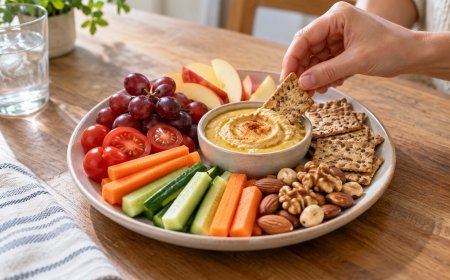
• If you want a small evening snack, reach for tryptophan + complex carb combinations (yogurt, a small piece of whole grain toast with almond butter, a handful of pumpkin seeds)
• Skip alcohol or limit it to one drink well before your wind-down
• Try tart cherry juice or two kiwis in the hour before bed for a period of 2–3 weeks and assess the effect
• Consider magnesium glycinate if sleep quality is a consistent issue
The Bottom Line
What you eat in the evening hours is one of the most underutilized sleep levers available. The gut-brain-sleep connection is real, and a few targeted changes — finishing meals earlier, adding tryptophan-rich foods, reducing alcohol, and possibly supplementing magnesium — can produce meaningful improvements in sleep quality without pills, devices, or elaborate routines.
What's Your Reaction?
 Like
0
Like
0
 Dislike
0
Dislike
0
 Love
0
Love
0
 Funny
0
Funny
0
 Angry
0
Angry
0
 Sad
0
Sad
0
 Wow
0
Wow
0