






















Why Nervous System Regulation Is 2026's Biggest Wellness Trend, and How to Actually Do It

For years, wellness culture pushed optimization: track more, push harder, squeeze performance out of every hour. That approach burned a lot of people out. In 2026, the shift is toward something quieter but arguably more useful: training your nervous system to move between stress and calm on command, rather than getting stuck in one or the other.
What 'Nervous System Regulation' Actually Means
Your autonomic nervous system runs on two main settings. The sympathetic branch is your accelerator, activated during stress, exercise, or a looming deadline. The parasympathetic branch is your brake, responsible for digestion, deep sleep, and recovery. Chronic stress keeps too many people stuck with the accelerator pressed down most of the day, which shows up as poor sleep, digestive issues, and a shorter fuse. Nervous system regulation is simply the practice of deliberately activating that parasympathetic brake instead of waiting for your body to do it on its own.
The Vagus Nerve Is the Shortcut
The vagus nerve is the main highway connecting your brain to your heart, lungs, and gut, and it is the primary lever for parasympathetic activation. Stimulating it, through breath, cold exposure, or even humming, can measurably shift your body out of a stress response within seconds. This is why a slow exhale after a stressful email or a splash of cold water on your face genuinely does something physiological, not just psychological. It is a big part of why gut health and mood are so tightly linked as well, since the vagus nerve carries signals in both directions between your brain and your microbiome.
Why This Trend Is Gaining Traction Now
Roughly 79 percent of U.S. adults now rank mental health as equally or more important than physical health, and wearable devices that track heart rate variability, a key marker of nervous system balance, have moved from niche gadgets to mainstream fitness tools. People are increasingly able to see, in real time, when their body is stuck in a stress state, which has made regulation practices feel less abstract and more like an actual skill to train.
Four Ways to Practice It
● Extended exhale breathing: Breathing in for a count of four and out for a count of six or eight signals safety to your nervous system because longer exhales specifically activate the vagus nerve. Even two minutes before a stressful meeting can measurably lower your heart rate.
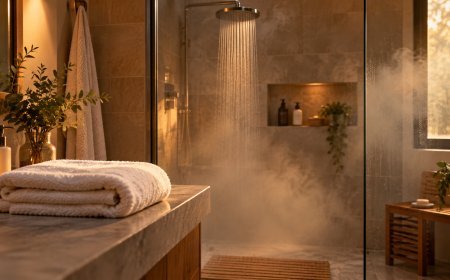
● Brief cold exposure: A 30-second cold splash to the face or a short cold shower triggers a vagal response and a release of noradrenaline and endorphins. Short, controlled exposure tends to work better than long, uncomfortable sessions, so there is no need to overdo it.
● Humming or chanting: The vagus nerve runs close to your vocal cords, and low, sustained humming has been shown to stimulate it directly. It sounds unusual, but a minute of humming can genuinely take the edge off a stress spike.
● Somatic movement: Slow, body-based practices like gentle yoga, shaking out tension, or even a short walk help release stored physical tension that keeps the nervous system on alert, rather than addressing stress only at the level of thoughts.
How to Build This Into a Realistic Routine
You do not need a dedicated hour or specialized equipment to see a benefit. The research consistently points toward small, frequent practices mattering more than occasional long sessions. A minute of extended-exhale breathing between meetings, a cold splash after a stressful call, or humming during your commute are all realistic entry points that fit into an already busy day.
● Start with one practice, not all four, and use it consistently for two weeks before adding another
● Pair a regulation practice with an existing habit, like breathwork right before brushing your teeth, so it does not require remembering on its own
● Use a wearable or simply your resting heart rate as a rough feedback signal if you want to track whether it is working
● Treat it as a daily practice rather than an emergency-only tool, since regulation trains more effectively with repetition
When to Get Additional Support
These practices are genuinely useful for everyday stress, but they are not a substitute for professional care if you are dealing with an anxiety disorder, chronic burnout, or a mental health condition that is significantly affecting your daily life. If baseline stress feels unmanageable even with consistent practice, that is a good signal to loop in a therapist or physician rather than trying to regulate your way through it alone.
The Bottom Line
Nervous system regulation is popular in 2026 because it addresses something hustle-culture wellness never did: teaching your body an actual off switch instead of just adding another task to your to-do list. The tools themselves, breath, cold, sound, and movement, are simple and free. The differentiator is consistency, not intensity.
What's Your Reaction?
 Like
0
Like
0
 Dislike
0
Dislike
0
 Love
0
Love
0
 Funny
0
Funny
0
 Angry
0
Angry
0
 Sad
0
Sad
0
 Wow
0
Wow
0