



























How to Break Bad Habits: Simple Steps for Lasting Change
Breaking bad habits can feel overwhelming, but modern behavioral science shows it's achievable through understanding how habits form and strategically rewiring them. Popularized by Charles Duhigg in The Power of Habit and refined by James Clear in Atomic Habits, the habit loop—cue, craving (or routine in simpler models), response (routine), and reward—explains why behaviors become automatic. Recent 2025–2026 insights emphasize that bad habits aren't eliminated but replaced or disrupted by making cues invisible, cravings unattractive, responses difficult, and rewards unsatisfying. Environment design often outperforms sheer willpower, with studies highlighting that small, incremental changes and friction for unwanted actions lead to more sustainable results than drastic overhauls.
Understanding Bad Habits and the Habit Loop
Habits form through repetition in consistent contexts, shifting from conscious effort to automatic neural pathways via the basal ganglia. The classic loop includes:
- Cue (trigger): An emotional state (stress), time of day, location, or social situation that prompts the behavior.
- Craving/Response (routine): The action itself, like mindless scrolling, snacking, or procrastination.
- Reward: The dopamine-driven payoff—relief, pleasure, or distraction—that reinforces the loop.
James Clear's four-step version (cue → craving → response → reward) adds nuance: cravings build anticipation, making the routine feel inevitable. 2026 research reinforces that habits persist due to strong stimulus-response associations, even when goals conflict, but they can be rewired by altering any loop element. Identifying your specific loop is key—journaling urges for a week reveals patterns without judgment.
Common Triggers and How to Spot Them
Triggers fall into categories:
- Emotional: Stress, boredom, or anxiety prompting comfort-seeking (e.g., emotional eating).
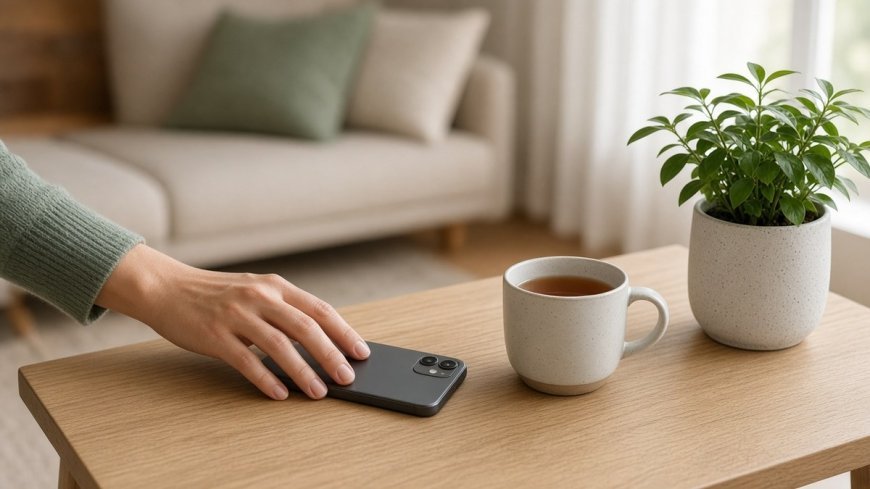
- Environmental: Seeing snacks in the pantry or your phone on the nightstand cueing doom-scrolling.
- Social/Time-based: Certain people, places, or times (e.g., evenings triggering TV binging).
To identify them, use a simple habit scorecard: note the behavior, preceding cue, and felt reward. Awareness alone disrupts automaticity—recent neuro studies show conscious reflection weakens the loop over time.
Cultivating Motivation and Starting Small
Motivation stems from clear "why"—link the change to identity (e.g., "I'm becoming someone who prioritizes health"). Write reasons, create a vision board, or share goals for accountability. But don't rely on fleeting motivation; build systems.
Start tiny to minimize resistance: Use the "2-minute rule" (make the good alternative take ≤2 minutes) or tiny experiments (test one small swap without self-criticism). Focus on one habit at a time—overhauling everything leads to burnout. Small wins build self-efficacy and dopamine from progress, not perfection.
Creating a Step-by-Step Plan of Action
Develop a personalized strategy:
- Identify and disrupt triggers: Make cues invisible (remove temptations) or add friction (e.g., app blockers for social media, no junk food at home).
- Set specific, achievable goals: Instead of "stop snacking," aim for "no snacks after 8 PM three days this week."
- Replace the routine: Keep the cue and reward but swap the behavior (e.g., chew gum for smoking, walk for stress-eating).
- Use checklists/reminders: Sticky notes, phone alerts, or habit trackers mark progress and interrupt autopilot.
- Prepare for setbacks: Anticipate temptations and plan responses (e.g., deep breathing for stress). View slips as data—analyze without self-blame.
Environment design shines here: 2026 evidence shows reshaping surroundings (e.g., logging out of apps, rearranging spaces) beats willpower for long-term success.
Implementing Healthy Alternatives and Avoiding Temptation
Replacement is the golden rule—bad habits solve real needs, so provide better solutions:
- For mindless eating: Prep healthy snacks (fruits, nuts) or habit-stack (pair TV with herbal tea).
- For procrastination: Start with 2 minutes of the task to build momentum.
- For phone addiction: Replace scrolling with a quick walk or reading.
Boost focus by prioritizing sleep (reduces cravings), practicing mindfulness (notices urges without acting), and building supportive environments (share goals with encouraging people). Techniques like visualization (picture success) or immediate positive actions post-habit (e.g., 10 push-ups after a slip) rewire associations.
Maintaining Long-Term Success: Tracking, Accountability, and Resilience
Track daily with apps, journals, or checklists—seeing streaks motivates via progress visualization. Find an accountability partner for check-ins. Celebrate milestones non-food related (e.g., a new book, outing) to reinforce positive loops.
Relapses are normal—don't catastrophize. Reflect: What cue/reward drove it? Adjust and restart. Patience matters; habits average 66 days to automate, but consistency trumps perfection. Every resisted urge weakens the old loop and strengthens the new.
In 2026's fast-paced world, breaking bad habits is about smart systems, not endless grit. By understanding the science, starting small, replacing behaviors, and designing your environment, you reclaim control and build a life aligned with your goals. Change compounds—one disrupted loop at a time leads to profound, lasting transformation. Stay curious, persistent, and kind to yourself along the way.
What's Your Reaction?
 Like
0
Like
0
 Dislike
0
Dislike
0
 Love
0
Love
0
 Funny
0
Funny
0
 Angry
0
Angry
0
 Sad
0
Sad
0
 Wow
0
Wow
0