






























Reworking Work: Embracing the Right to Disconnect for True Mental Clarity
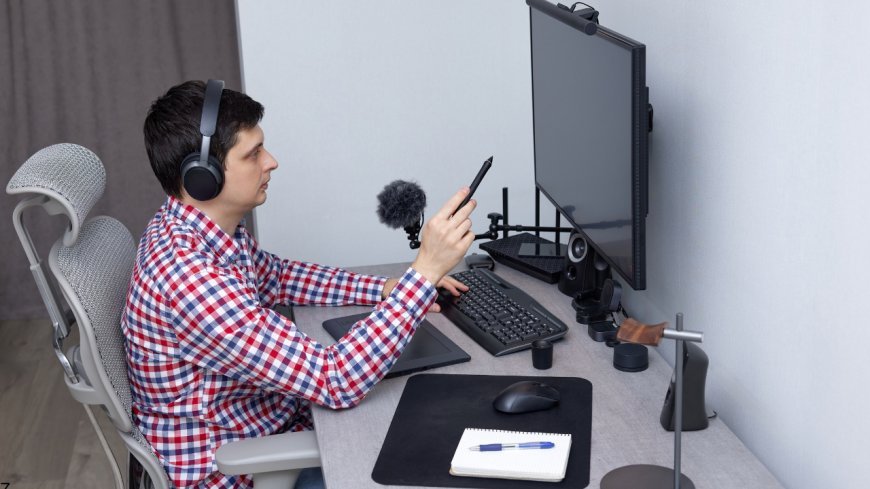
The modern workday in 2026 doesn't end at 5 PM—it bleeds into evenings, weekends, and even vacations through emails, Slack pings, urgent texts, and the constant pull of "just one quick check." What started as flexibility has morphed into an always-on expectation, eroding the boundaries that once separated professional output from personal restoration. This constant connectivity fuels burnout, anxiety, fragmented sleep, and a nagging sense that true rest is impossible. Enter the growing movement to "rework work" by reclaiming the right to disconnect—the legal and cultural recognition that employees deserve uninterrupted non-work time for mental cleanliness, recovery, and long-term productivity.
Pioneered by France in 2017 (with its El Khomri law requiring companies over 50 employees to negotiate disconnection policies), the right to disconnect has spread globally. Countries like Belgium, Portugal, Spain, Italy, Ireland, Luxembourg, and Australia have implemented versions—ranging from enforceable refusal rights to mandatory employer policies. In Australia, the 2024–2025 Closing the Loopholes reforms made it a finable offense for unreasonable after-hours contact (with small businesses phased in by mid-2025). Even the EU is advancing discussions toward a potential directive, with the European Commission expected to address it in the 2026 Quality Jobs Roadmap.
In the US, no federal or state laws exist yet—California's 2024 AB 2751 died in committee, though reintroduction is anticipated in 2026 or 2027, and states like New Jersey and Vermont have floated similar proposals. But momentum builds: surveys show 70–90% of American workers support disconnection rights, citing lower stress (71%), better mental health (69%), and improved performance (53%) as expected benefits. Forward-thinking companies already adopt voluntary policies, recognizing that enforced availability leads to resentment, reduced creativity, and higher turnover.
Why Disconnection is Essential for Mental Clarity
The always-on culture hijacks the brain's recovery processes. Constant notifications trigger fight-or-flight responses, elevating cortisol and disrupting deep rest. Without true disconnection:
- Sleep suffers—blue light and rumination delay melatonin and fragment cycles.
- Emotional regulation weakens—unresolved work thoughts spill into family time, heightening irritability and anxiety.
- Cognitive sharpness dulls—chronic low-grade stress impairs prefrontal function, reducing focus, creativity, and problem-solving.
- Burnout accelerates—studies link after-hours connectivity to higher exhaustion, cynicism, and reduced efficacy.
Disconnection flips this: enforced boundaries allow the nervous system to down-regulate, consolidate memories, process emotions, and restore energy. Workers return sharper, more innovative, and less reactive. Companies that respect disconnection often see higher engagement, lower absenteeism, and stronger retention—true "rework" that prioritizes sustainable performance over constant output.
Practical Ways to Rework Your Work with Disconnection (Even Without Laws)
Whether your workplace has formal policies or not, you can advocate for and implement disconnection personally and culturally.
- Set Clear Personal Boundaries Define non-work hours (e.g., after 6 PM weekdays, full weekends) and communicate them: update your email signature ("I check messages during business hours only"), set auto-replies, and use Do Not Disturb modes. Physically separate—charge your phone in another room overnight and keep work devices out of living spaces.
- Use Tech to Enforce Disconnection Leverage built-in tools: iOS/Android focus modes, app limits, or grayscale to reduce appeal. For deeper commitment, try physical barriers like The Brick (tap-to-unlock restricted apps) or schedule "shutdown rituals"—batch-check communications at set times, then close everything. In 2026, many AI assistants allow "quiet hours" configurations—program them to hold non-urgent items until morning.
- Advocate at Work Propose a team or company policy: draft a simple guideline ("No expectation of response outside core hours except emergencies") and share data on burnout costs. Frame it as performance enhancement—rested teams innovate more. If remote/hybrid, tie it to psychological safety discussions. In unionized or progressive environments, push for formal inclusion in handbooks.
- Build Recovery Habits Around Disconnection Use freed time intentionally: analog activities (walks without devices, reading physical books, hobbies), quality relationships, or simple presence. End days with reflection—journal wins and let go of unfinished items. Prioritize sleep hygiene—no screens 90 minutes pre-bed—to maximize mental reset.
- Reframe Mindset for Long-Term Clarity Shift from "availability = dedication" to "boundaries = sustainability." Celebrate disconnection wins: notice sharper focus Monday mornings after a fully unplugged weekend. Track energy/mood weekly to quantify benefits—many report clearer thinking, reduced anxiety, and renewed motivation.
Reworking work means redesigning it around human limits, not endless scalability. The right to disconnect isn't laziness—it's strategic self-preservation that fuels better work. In a world where tech enables 24/7 reach, choosing disconnection protects the mental cleanliness needed for creativity, resilience, and joy. Start small: pick one evening this week to fully unplug. The clarity you reclaim will show why boundaries aren't a luxury—they're essential. Your mind (and your best work) depends on it.
What's Your Reaction?
 Like
0
Like
0
 Dislike
0
Dislike
0
 Love
0
Love
0
 Funny
0
Funny
0
 Angry
0
Angry
0
 Sad
0
Sad
0
 Wow
0
Wow
0