






























High-Protein Breakfasts: What the Trend Gets Right (and What It Doesn't)
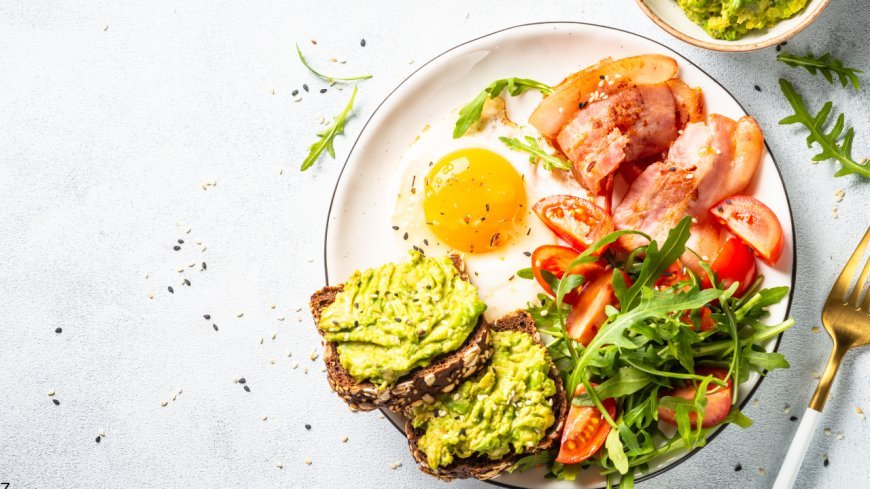
Cottage cheese bowls, egg-and-yogurt combos, protein pancakes: high-protein breakfasts have taken over the wellness side of the internet. The claim behind the trend is simple. Eat more protein in the morning, and you will feel fuller, crave less junk, and eat less overall. Some of that holds up. Some of it doesn't.
What Actually Happens When You Eat More Protein at Breakfast
Protein is the most filling of the three macronutrients, gram for gram. Research consistently shows that a protein-rich breakfast triggers a stronger release of the hormones that signal fullness to your brain, compared to a breakfast with the same calories but less protein. Brain imaging studies have even found that a high-protein breakfast quiets the brain regions tied to food cravings and reward-driven eating later in the morning.
The Benefits That Are Well-Supported
Genuinely reduced hunger and cravings
Multiple studies point to the same general number: around 30 grams of protein at breakfast measurably improves fullness and reduces hunger through the morning, compared to a lower-protein version of the same meal. This effect shows up whether the protein comes from eggs, dairy, or plant-based sources like tofu or a protein shake.
Better focus before lunch
At least one randomized study found a modest but real improvement in concentration scores before lunch after a high-protein breakfast compared to skipping breakfast entirely, likely tied to more stable blood sugar through the morning.
The Part That's Overhyped
Here is the part the trend usually skips: multiple controlled studies have found that a high-protein breakfast reduces hunger in the following hours, but does not actually reduce how much people eat at lunch or over the full day. Feeling fuller does not automatically translate into eating less later, especially if the extra fullness just gets undone by snacking out of habit rather than hunger. A high-protein breakfast is a useful tool for managing appetite, not a guaranteed calorie deficit on its own.
How to Actually Build One
● Aim for roughly 25 to 35 grams of protein, which is more than most standard breakfasts by a wide margin
● Combine a protein source with fiber, like eggs with vegetables or Greek yogurt with berries, since fiber adds its own fullness effect
● Plant-based options work just as well as animal-based ones for the satiety effect, so this isn't diet-specific
● Don't overthink hitting an exact gram target daily; consistency over weeks matters more than precision on any single morning
The Bottom Line
A high-protein breakfast really does help you feel fuller and crave less through the morning, and that part of the trend is legitimate. What it will not do on its own is guarantee weight loss, since your total eating pattern across the whole day still matters more than any single meal. Use it as one useful lever, not a fix-all.
If you're prone to an afternoon energy crash, a protein-forward breakfast is one of the more evidence-backed ways to smooth it out.
What's Your Reaction?
 Like
0
Like
0
 Dislike
0
Dislike
0
 Love
0
Love
0
 Funny
0
Funny
0
 Angry
0
Angry
0
 Sad
0
Sad
0
 Wow
0
Wow
0