




























Leftover Makeovers: Turning Last Night's Dinner Into a New Lunch
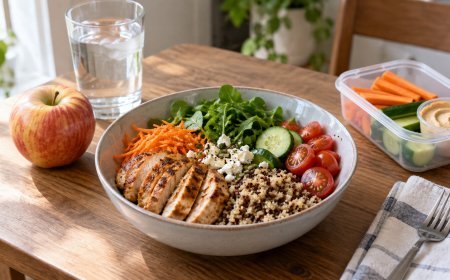
It is 12:15 on a Tuesday, and a container of last night's dinner is waiting in the fridge. You could reheat it exactly as it was and feel a little bored, or you could change two or three things and have a lunch that feels brand new. The second option is easier than it sounds, and it comes down to a simple formula: base, protein, sauce, and crunch.
Leftovers get a bad reputation because they are often reheated in the same shape they came in. The trick is to think of them as ingredients rather than as a finished meal. A scoop of roasted vegetables, a handful of rice, a few pieces of chicken: any of these can become the start of something new with a few small changes.
The Four-Part Formula
Think of lunch as a bowl, wrap, or plate built from four layers:
- Base. Something to build on, such as rice, quinoa, pasta, greens, a tortilla, toast, or a baked potato. This is where leftover grains and roasted starchy vegetables fit.
- Protein. Whatever is left from dinner, such as chicken, pork, beef, fish, beans, tofu, or eggs. You only need a modest portion, because it is joined by the other layers.
- Sauce. The element that changes the flavor entirely. Think of a drizzle of yogurt and lemon, a spoonful of pesto, peanut sauce, salsa, hummus, vinaigrette, or the pan juices from last night's dinner.
- Crunch. Something fresh or crisp for contrast, like chopped cucumber, shredded cabbage, toasted nuts or seeds, crushed tortilla chips, pickled onions, or a handful of raw greens.
You do not need to use all four every time. Even two layers, such as a leftover protein with a fresh sauce, tend to feel like a new meal. But when you hit all four, lunch has variety in flavor and texture, which is often what makes a meal feel satisfying.
Swaps by Dinner Type
Here is how the formula plays out with a few common dinners:
- Roast chicken or pork. Shred the meat, then use it as the protein on a grain bowl with yogurt sauce and cucumber, or tuck it into a tortilla with slaw.
- Pasta night. Turn leftover pasta into a cold pasta salad with chopped vegetables and vinaigrette, or reheat it in a skillet with a little olive oil and a handful of spinach for a crisp edge.
- Taco night. Build burrito bowls with the leftover meat or beans, rice, salsa, and shredded lettuce, or tuck everything into a quesadilla.
- Stir-fry. Pile it over fresh greens or cooked noodles, add a quick peanut or soy-lime sauce, and top with sesame seeds or crushed peanuts.
- Chili or stew. Spoon it over a baked potato, stir it into cooked rice, or use it as a filling for a toasted wrap, with a spoonful of yogurt or a sprinkle of cheese on top.
- Roasted vegetables. Fold them into an omelet, blend them into a soup, or toss them with beans, greens, and a lemony dressing.
- Fish or salmon. Flake it onto a salad or into a rice bowl with a squeeze of lemon and a little avocado, or mix it with yogurt, herbs, and mustard for a sandwich filling.
- Rice. Use it as a base for fried rice, a bowl, or even a savory breakfast with a fried egg.
Three Sample Makeovers
To see how it comes together, here are three quick ideas:
- Sheet-pan dinner to a lunch bowl. Take last night's roasted vegetables and chicken and add them to a bed of rice or greens. Drizzle with a spoonful of yogurt mixed with lemon and garlic. Top with toasted seeds. Total effort: five minutes.
- Spaghetti to a skillet supper. Warm leftover pasta in a pan with a little olive oil until the edges crisp. Add a handful of baby spinach, a few chopped tomatoes, and a sprinkle of Parmesan. Add a fried egg on top if you want more protein.
- Tacos to a rice bowl. Layer rice, leftover taco meat or beans, salsa, avocado, and crushed tortilla chips. Add a squeeze of lime and a spoonful of sour cream or yogurt.
None of these needs a recipe, only a little improvising with what you have.
Storing Leftovers So They Stay Good
A makeover only works if the leftovers were handled well to begin with. The USDA's Food Safety and Inspection Service offers some simple basics:
- Refrigerate within two hours. Cooked perishable food should go into the refrigerator within two hours of cooking, or within one hour if it is hotter than 90°F outside, such as at a summer picnic.
- Use shallow containers. Spreading food out helps it cool faster than a deep pot.
- Keep the fridge cold. The refrigerator should be at 40°F or below.
- Eat within three to four days. Most cooked leftovers are best used in that window. If you will not get to them, freeze them. Frozen leftovers stay safe, though quality tends to drop after about three to four months.
- Reheat to 165°F. Use a food thermometer when you can, and bring soups, sauces, and gravies to a rolling boil. Cover food as you reheat to help it heat evenly.
If you plan to eat something cold, such as a pasta salad or a chilled rice bowl, the same timing rules apply: it should have been refrigerated promptly and still be within the three-to-four-day window. When in doubt, throw it out. If you want to read more on storing foods safely, FoodSafety.gov and the USDA's site are good places to start.
A Week of Lunches From Three Dinners
To see the formula across a whole week, imagine cooking only three dinners. Sunday's roasted chicken and vegetables become Monday's grain bowl with a yogurt sauce and a handful of greens. Monday's pasta dinner turns into Tuesday's skillet pasta with spinach, with a little extra Parmesan for crunch and salt. Wednesday's taco night leaves a bit of meat and rice that become Thursday's burrito bowl, topped with salsa and crushed chips. By Friday, you have had four different lunches from three cooking sessions, and nothing tasted like a repeat.
Because most cooked leftovers are best within three to four days, a simple rhythm works well: eat from Sunday's dinner by Wednesday, and from Wednesday's dinner by Saturday. If a dinner makes more than you can eat in that window, freeze a portion the same night, label it, and you have a ready-made lunch for a rushed day later.
Make It Easy on Future You
A few small habits can make leftovers feel like a gift rather than a chore:
- Cook a little extra on purpose. An extra cup of rice or an extra portion of roasted vegetables is the easiest way to set up tomorrow's lunch.
- Store components separately. Keep sauces and crunchy toppings in their own containers so a bowl does not turn soggy.
- Label with the date. A piece of tape and a marker takes ten seconds and removes the guessing game.
- Keep a few "finishers" on hand. A jar of pesto, a lemon, some seeds, and a tub of plain yogurt can rescue nearly any leftover.
- Make lunch visible. Put the containers at eye level in the refrigerator so you actually notice them.
Tonight, when you put away dinner, set aside enough for one lunch and tuck it into a container. Tomorrow, look at it as a base, a protein, and maybe a sauce. Add one fresh thing, such as a handful of greens or a crunchy topping, and see how it changes. Often, that is all the makeover needs.
What's Your Reaction?
 Like
0
Like
0
 Dislike
0
Dislike
0
 Love
0
Love
0
 Funny
0
Funny
0
 Angry
0
Angry
0
 Sad
0
Sad
0
 Wow
0
Wow
0