






















How to Make Comfort Food More Balanced Without Ruining What You Love About It
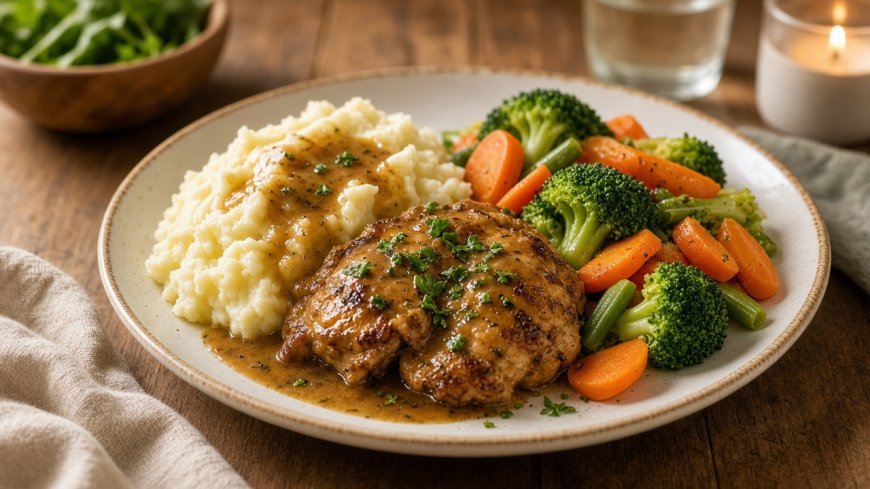
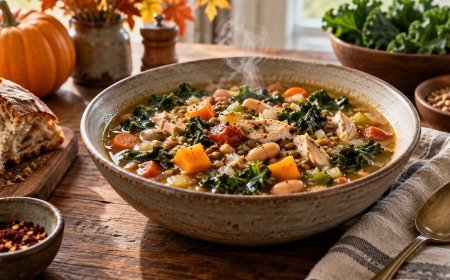
Comfort food earns its name for a reason. Mac and cheese, dumplings, fried rice, pizza, stews, sweet breads, and the recipes that taste like home are not problems to solve. They are part of how people mark hard days, celebrations, and ordinary Tuesday nights that need softness. The question is not how to exile comfort food. It is how to make it more balanced without ruining what you love about it.
This piece stays in Nutrition and Weight Loss as lifestyle guidance: grocery-store food on a Tuesday, not a diet clinic. No shame scripts. No purity tests. Just practical ways to keep the pleasure while adding steadiness to the plate and the evening that follows.
Start With What You Love, Not With What You Should Ban
Balance fails when it begins as punishment. If the first move is removing the cheese, frying, or sauce that made the dish itself, you are not balancing comfort food. You are replacing it with a different dish and hoping nostalgia will not notice.
Ask a simple question: what exactly do I love here? Creaminess, crunch, salt, warmth, the ritual of sharing, the leftover lunch tomorrow? Protect those. Adjust around them. That order keeps dinner feeling like care rather than a negotiation with an imaginary coach.
The Add-First Approach
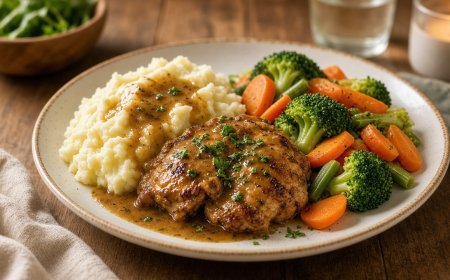
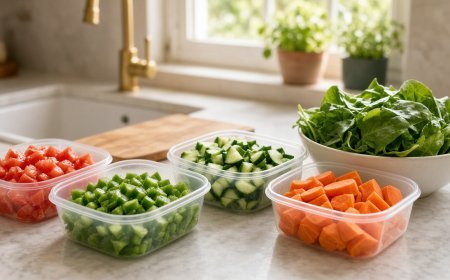
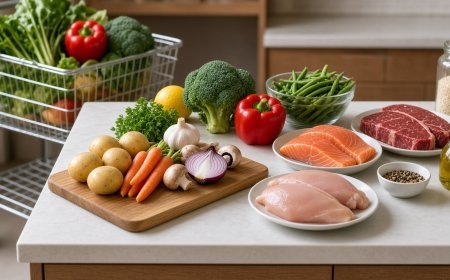
The easiest balance move is often addition, not subtraction. Add a bright vegetable side to a rich main. Add beans or a fried egg beside leftovers. Add fruit to a dessert-heavy evening. Addition expands the plate so the comfort dish can stay itself while the meal as a whole feels more complete.
This works psychologically too. Addition feels generous. Subtraction feels like loss. On nights when you need comfort, generosity is the strategy that survives.
- Keep the main dish you crave and add a crisp salad or quick steamed vegetables
- Serve a smaller comfort portion beside a protein you already have ready
- Stretch a rich sauce over more vegetables or grains without hiding the sauce
- Pair a sweet treat with a walk, tea, or fruit so the evening has more than one note
Portion Honesty Without Portion Theater
Sometimes balance is as simple as using a regular plate instead of eating from the pan, or serving once at the table instead of hovering for continuous extras. That is not a trick. It is pacing. You can still have seconds on purpose after a pause. The pause is the habit.
Avoid turning dinner into measuring theater unless you genuinely like that. For most households, visual cues and plating once are enough. Comfort food deserves dignity, not a side of anxiety.
Small Recipe Twists That Keep the Soul Intact
When you do change a recipe, change one variable at a time. Swap half the pasta for vegetables in a bake while keeping the cheese sauce you love. Roast instead of frying when crunch is not the main point. Use yogurt in a creamy dip if the tang still satisfies. Keep the spice blend, the family method, and the serving ritual that make it yours.
Cultural dishes deserve extra care. Balance should respect the cuisine, not sand it into a bland wellness imitation. Add a vegetable side traditional to the meal when you can. Adjust cooking oils gently. Invite elders and cooks in your life into the conversation rather than imposing outside rules on food that carries memory.
Build a Comfort-Food Night Template
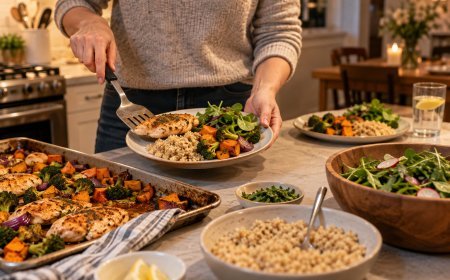
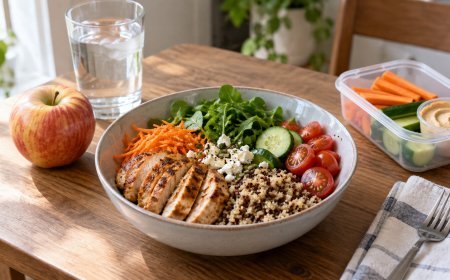
Give comfort a template so it does not arrive only as chaos. Example: comfort main, colorful side, something protein-forward if the main is light on it, water on the table, optional sweet later if you still want it. Templates reduce the all-or-nothing spiral where one rich meal becomes a story about the whole week.
- Choose the comfort main without apology
- Add one vegetable or fruit element you will actually eat
- Make sure the meal has enough staying power for your evening hunger
- Sit down for it when you can, even for fifteen minutes
- Decide on leftovers or seconds after the first plate, not during the first bite
Weeknight Shortcuts That Still Feel Like Comfort
Store-bought help can be part of balance. A quality frozen dumpling night with bagged salad and sliced fruit can be more balanced than a from-scratch project that exhausts you into cereal at 9 p.m. Rotisserie chicken beside buttered noodles and peas can hit comfort and steadiness together. Grocery-store tools are allowed.
The goal is a Tuesday that feels fed and cared for, not a performance of homemade purity. Comfort food already carries emotional labor. Let logistics be kind.
After the Meal: The Soft Landing
How the evening continues shapes how the meal feels in memory. A short walk, a shower, a show with your feet up, or packing tomorrow's lunch from leftovers can close the night gently. Trying to punish a comfort meal with an intense workout or a rigid next-day restriction often backfires into more all-or-nothing thinking.
If you overshoot what you meant to eat, skip the speech. Drink water if you want it. Go to bed on time when you can. Resume your ordinary meals tomorrow. Continuity is balance too.
Social Meals, Holidays, and Eating Out
Balance gets weird around other people. Holidays, birthdays, and restaurant nights are not the place for a full redesign of a dish you did not cook. Order what you want, share sides if that helps, add a vegetable when the table offers one, and return to your ordinary templates the next day. Continuity across weeks matters more than perfection at a single table.
When you host, you can offer comfort and balance together: the beloved main, a bright salad, a simple fruit plate, water and another drink option. Guests feel cared for when pleasure is obvious and options exist without a speech about wellness.
Leftover comfort food is a gift. Redeploy it with a fresh side rather than eating it cold from the container in a rush unless that truly is the comfort you need. Reheating with intention is still balance.
What This Is Not
This is not a weight-loss clinic protocol, not a ban on comfort foods, and not a claim that tweaking recipes will produce a specific body outcome. It is not nutrition therapy for disordered eating. If food rules feel tangled or distressing, a qualified professional who understands your situation is the right support. This article stays with ordinary plate adjustments on purpose.
It is also not a demand that every meal be optimized. Some nights the balanced move is simply eating the beloved dish with full attention and moving on.
Bottom Line
You can make comfort food more balanced without ruining what you love by protecting the soul of the dish and adding steadiness around it. Add vegetables and staying power first. Change recipes one gentle variable at a time. Use a simple night template so comfort has a home in the week instead of only arriving as chaos.
This week, pick one comfort meal you already plan to eat. Keep it. Add one side or protein that makes the plate feel more complete. Notice whether the evening feels just as comforting and a little more settled. That single experiment is enough to begin.
What's Your Reaction?
 Like
0
Like
0
 Dislike
0
Dislike
0
 Love
0
Love
0
 Funny
0
Funny
0
 Angry
0
Angry
0
 Sad
0
Sad
0
 Wow
0
Wow
0