























The Warm-Shower Reset: Turning an Ordinary Routine Into a Transition
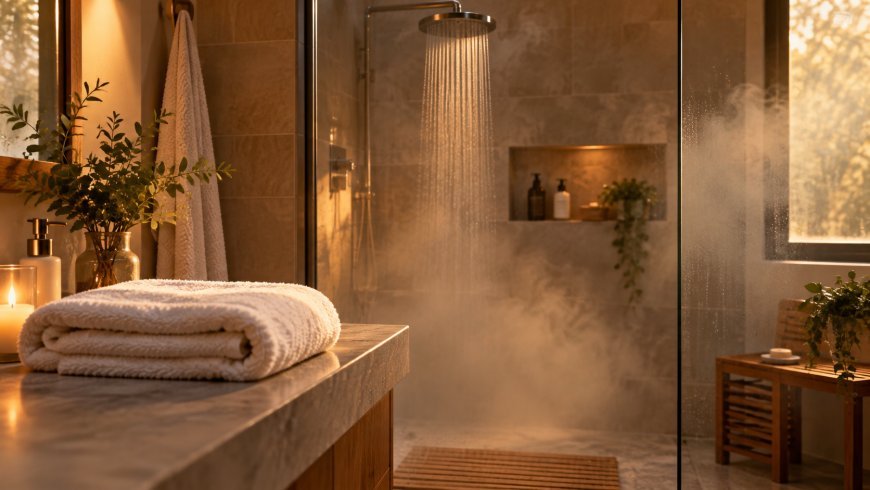
A warm shower is already on the calendar for most people. It cleans the day off your skin, loosens the shoulders a little, and uses water you were going to use anyway. What many evenings lack is not another complicated wellness practice. It is a clear transition. The warm-shower reset treats that ordinary rinse as a doorway: on one side, work mode and errands; on the other, home mode and rest.
This Wellness piece is seasonal self-care and routine design. It is not a clinical hydrotherapy protocol, not a claim that showers treat sleep disorders, and not a demand for long spa evenings. It is about turning something you already do into a transition you can feel.
Why Transitions Matter More Than Perfect Routines
Days blur when there is no marker between roles. You answer one more message in soft clothes, cook dinner with the laptop still open in your head, and wonder why bedtime feels abrupt. A transition cue tells your attention that the chapter changed. Showers are ideal because they already remove you from screens, desks, and outdoor grit for a few uninterrupted minutes.
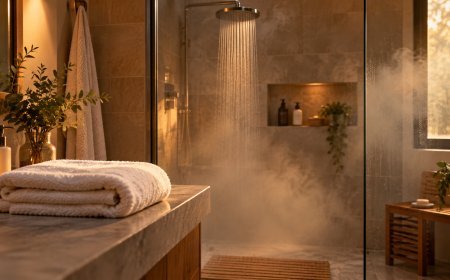
Warmth adds comfort without requiring special equipment. In cooler months especially, the shower becomes a small indoor season: steam, softer light in the bathroom, and a forced pause before the evening continues.
What the Warm-Shower Reset Is and Is Not
The warm-shower reset means using a regular warm shower as a deliberate bridge into evening, paired with one or two simple before-and-after cues such as changing clothes, dimming lights, or parking the phone outside the bathroom. It is not medical advice, not cold-plunge culture, and not a longer-is-better contest. A shorter shower with clear intention beats a long shower spent rehearsing tomorrow's emails.
Skip it when water access, skin comfort, time, or household logistics make it unkind. Transitions can also be a wash of the face and hands, a change of shirt, or washing feet. The method is the doorway, not the exact plumbing.
Place the Shower Where the Day Needs a Door
Some people need the reset right after arriving home. Others need it after kids are down or after the kitchen closes. Place the shower at the moment your evening most often fails to begin. If you shower in the morning and still want an evening transition, a shorter warm rinse or a thorough face-and-hands wash can borrow the same idea without doubling water use every night.
Shift workers can place the reset relative to their wind-down, not the clock on the wall. The shower marks the end of the work block you just finished, whenever that is.
- Choose a consistent placement: after arrival, after dinner, or before bed prep
- Keep the shower warm and ordinary rather than extreme
- Leave the phone outside the bathroom when you can
- Use softer bathroom light if it still feels safe
- Pair with one clothing change that signals home mode
Before: Clear the Threshold
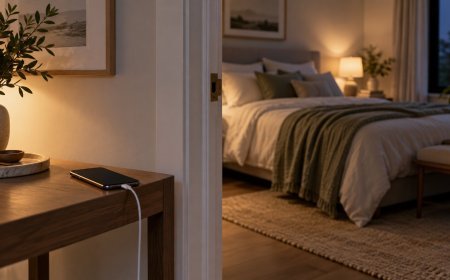
A reset works better when the doorway is clear. Put the phone on a charger outside the bathroom. Set out soft clothes. If the kitchen is mid-chaos, decide whether the shower comes after a five-minute tidy or before it. You are not creating a spa. You are reducing the chance that the shower becomes another place to scroll under steam.
If family members need access, communicate the ten minutes. Shared bathrooms require courtesy more than ceremony. A simple I am taking a short reset shower keeps the household from reading silence as mystery.
During: Let the Water Be the Task
The middle of the reset is intentionally boring. Feel the water. Wash as you normally wash. Notice the temperature. If your mind races, that is normal; you do not have to empty it on command. The win is staying with the shower instead of importing a second screen. If thoughts about unfinished work arrive, picture parking them on a note you will check after you dress.
Keep time humane. Five to ten minutes is plenty for a transition. Longer can be lovely when you have it. It is not required for the reset to count.
- Park the phone outside the bathroom
- Set water warm, not extreme
- Wash without adding a media soundtrack if you can
- Finish with a slower last minute under the water
- Step into clothes that belong to evening, not to work
After: Lock the Transition With One Cue
The shower alone helps. The after-cue seals it. Soft clothes, a lamp instead of overheads, herbal tea, a short tidy of the entryway, or sitting for two minutes without a phone all tell the same story: evening has started. Pick one cue and repeat it. Variety can wait until the sequence feels automatic.
Habit stacking fits here naturally. After I turn off the shower, I put on house clothes. After I hang the towel, I switch the living room to lamp light. The ordinary routine carries the transition.
Seasonal Self-Care Without the Performance
In fall and winter, warm showers pair easily with earlier lighting shifts, heavier socks, and quieter evenings. In warmer months, a lukewarm rinse can still mark the transition if heat makes long hot showers feel like work. Match the water to comfort. Seasonal self-care should feel like relief, not a content challenge.
Scented products are optional. If a familiar soap helps the cue, use it. If fragrance bothers you or someone in the household, plain warmth is enough. The transition is sensory enough on its own.
Household Realities and Gentle Alternatives
Limited hot water, tight schedules, toddlers who appear the moment the bathroom door closes, and dorm-style shared baths all reshape this idea. Alternatives keep the doorway: wash face and arms at the sink, change clothes fully, step onto the balcony for two breaths, or sit with a warm drink while the house softens. Name it as a reset so it does not feel like a failed spa night.
Partners can stagger showers so both get a turn at the transition. Kids can have a simpler version: bath or shower, pajamas, lights down. The family learns that water can mean the day is completing.
When the Shower Becomes Another Place to Worry
If you notice the shower filling with rumination, shorten it and strengthen the after-cue. Sometimes a very short rinse plus immediate soft clothes works better than a long steamy think session. You can also keep a notepad outside the bathroom for parking worries after you dry off. The goal is transition, not forced blankness.
If water itself is stressful for sensory or personal reasons, skip this method without guilt. Choose another doorway. Healthrine is about fit, not universal rituals.
Stack It With Lighting and Pace
If you already like softer evening lighting, let the shower sit beside that habit. Lights down in the main rooms, shower, soft clothes, lamp on. The sequence becomes a mini evening open without needing a dozen steps. Pace matters too. Rushing the shower while answering texts outside the door weakens the doorway. Protect even seven quiet minutes when you can.
Travel days can borrow a hotel version: warm water, change of shirt, phone face-down, three slow breaths before you rejoin the evening. The reset travels because it is a pattern, not a bathroom renovation.
Bottom Line
The warm-shower reset turns an ordinary clean-up into an evening transition by pairing warm water with simple before-and-after cues: phone parked, softer light, home clothes. It is lifestyle routine design and seasonal self-care, not clinical treatment. Keep it short, kind, and placed where your day most needs a door.
Tonight, take the shower you were already going to take, leave the phone outside, and put on soft clothes immediately after. Let the water mark the end of the workday chapter.
What's Your Reaction?
 Like
0
Like
0
 Dislike
0
Dislike
0
 Love
0
Love
0
 Funny
0
Funny
0
 Angry
0
Angry
0
 Sad
0
Sad
0
 Wow
0
Wow
0