



























Fall and Winter Produce Guide: What's in Season and Easy Ways to Use It
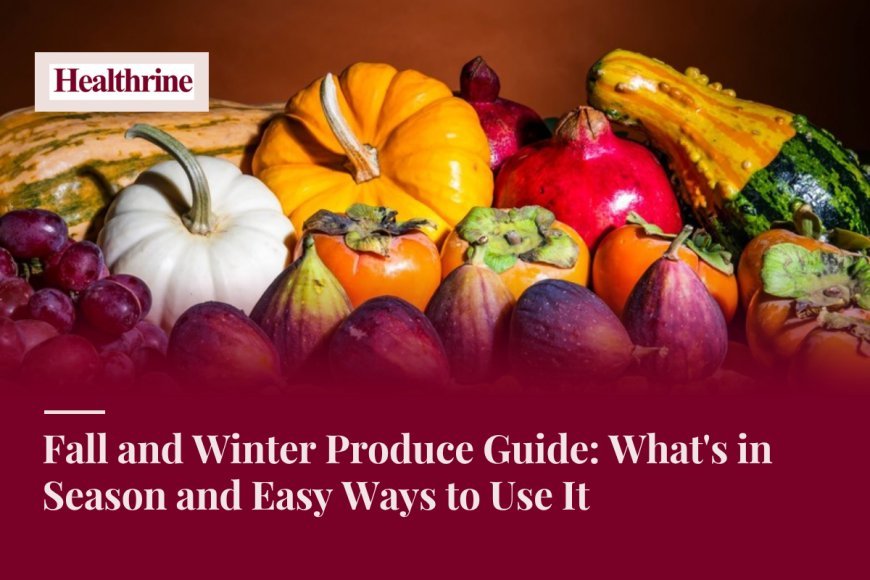
Somewhere around early October, the produce section starts to change. Peaches give way to apples, berries to pears, and suddenly there are bins of squash in shapes that are hard to name. By January, citrus has taken over the front displays. Cooking with what is in season usually means fair prices, plenty of choice, and fruit and vegetables that taste the way they are supposed to.
Seasons vary across the US, and a grocery store in Arizona will look different from a farmers market in Vermont. Still, the produce below shows up widely from early fall through late winter, and almost all of it is easy to store and cook.
Fall Produce to Look For
- Apples: dozens of varieties, from tart Granny Smith to sweet Honeycrisp and Fuji
- Pears: Bartlett early in the season, then Bosc and Anjou
- Winter squash: butternut, acorn, delicata, spaghetti, and kabocha
- Pumpkins: small sugar or pie pumpkins for cooking, rather than the big carving kind
- Sweet potatoes: orange, white, and purple varieties
- Brussels sprouts, cauliflower, and broccoli
- Fresh cranberries, which appear around October and disappear after the holidays
- Grapes, figs, and persimmons, especially in warmer regions
Early fall often overlaps with the tail end of summer, so you may find the last tomatoes and sweet corn sitting beside the first squash. That overlap is a good time to experiment, since familiar ingredients can carry a new one. A late tomato and a roasted delicata squash, for example, make an easy pasta together.
Apple picking and pumpkin patch trips often leave families with more produce than they planned for. Extra apples turn into applesauce or baked apples, and a cooking pumpkin can be roasted, scooped, and frozen in portions for later soups and baking.
Winter Produce to Look For
- Citrus: navel and Cara Cara oranges, grapefruit, clementines, and Meyer lemons
- Pomegranates, usually from October through January
- Hearty greens: kale, collards, Swiss chard, and cabbage
- Root vegetables: carrots, beets, parsnips, turnips, and rutabagas
- Leeks, onions, and potatoes
- Kiwi and late-season pears
Winter produce is sturdier than summer produce, which makes it forgiving for weekly shopping. A head of cabbage or a bag of carrots can sit in the fridge for a good while without demanding attention, and a bowl of clementines on the counter tends to empty itself.
Choosing and Storing It So It Lasts
Good storage starts at the store. Winter squash and citrus should feel heavy for their size, with no soft or moldy spots. Apples and pears should be firm and unbruised, though pears are often sold hard and ripen at home. Brussels sprouts are best when the heads are tight and bright green, and fresh cranberries should be firm and glossy rather than shriveled.
Once you get them home, a lot of fall and winter produce goes to waste simply because it lands in the wrong place. A few habits help:
- Keep winter squash and pumpkins whole in a cool, dry spot. Many keep for a month or longer.
- Store sweet potatoes and regular potatoes somewhere cool and dark, not in the fridge, and away from onions.
- Refrigerate apples in the crisper drawer. They give off a gas that can speed up ripening in nearby produce, so a separate drawer is ideal.
- Leave pears on the counter until they give slightly near the stem, then move them to the fridge.
- Wrap washed greens loosely in a clean dish towel inside a bag or container.
- Freeze fresh cranberries right in their bag. They go straight from freezer to pan.
- Keep citrus in the fridge, where it stays juicy longer than in a fruit bowl.
- Freeze pomegranate seeds in a single layer on a sheet pan, then transfer them to a bag.
Root vegetables last longer with their leafy tops removed. Beet greens and carrot tops can be cooked or blended into pesto the same day, rather than left to wilt in the drawer.
Frozen and canned versions count, too. Bags of frozen butternut squash cubes or Brussels sprouts roast straight from the freezer, and canned pumpkin works in soups, oatmeal, and muffins without any peeling or chopping. They are handy for weeks when a whole squash feels like too much of a project.
Easy Ways to Cook It
Most fall and winter produce responds well to a handful of basic methods. Learn these and you can cook almost anything in the bins.
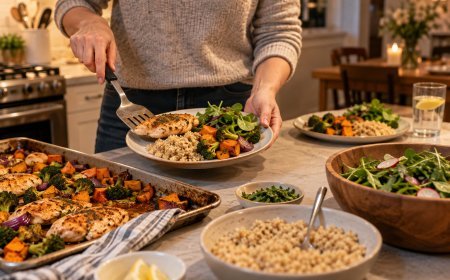
Roasting is the workhorse. Toss chopped squash, Brussels sprouts, carrots, sweet potatoes, or cauliflower with oil and salt, spread them on a sheet pan without crowding, and roast at around 425°F until the edges brown. Most take 20 to 40 minutes depending on size. Leftovers slide easily into grain bowls, omelets, and packed lunches.
Soups and mashes come next. Roasted squash or carrots blend into a smooth soup with broth and a sautéed onion. Parsnips, potatoes, and cauliflower mash well together with butter or olive oil. Sweet potatoes can be baked whole, then split and topped with black beans and salsa, or simply with butter and cinnamon.
Some winter produce is good raw. Shaved Brussels sprouts or thinly sliced cabbage make a crunchy slaw with lemon and olive oil. Apples, pears, and pomegranate seeds brighten a salad of hearty greens. Orange or grapefruit segments pair well with avocado and thin slices of red onion.
If squash feels intimidating, start with delicata. Its skin is thin enough to eat, so there is no peeling. Slice it into half-moons, scoop out the seeds, and roast until tender and golden. Spaghetti squash is another easy one: roast it halved, then scrape the strands with a fork and use them like noodles.
Fruit can go into the oven too. Halved pears or sliced apples baked with a little cinnamon and a spoonful of maple syrup make a simple weeknight dessert, and a handful of cranberries simmered with orange zest and a little sugar turns into a quick sauce for pancakes or yogurt.
A few flavor pairings make it easy to vary the same vegetables week to week:
- Squash and sweet potatoes with sage, maple, smoked paprika, or chili flakes
- Brussels sprouts with balsamic vinegar, Parmesan, or a little bacon
- Carrots and parsnips with cumin, honey, or fresh thyme
- Cabbage with apple cider vinegar, caraway, or sesame and soy
- Citrus with mint, feta, or a pinch of flaky salt
A Week of In-Season Meals
Here is one way to work through a single grocery haul, cooking once in a while and leaning on leftovers:
- Day one: roast a big pan of butternut squash and Brussels sprouts
- Day two: the roasted vegetables over rice with a fried egg and a drizzle of tahini
- Day three: blend leftover squash with broth into soup and serve it with grilled cheese
- Day four: baked sweet potatoes topped with black beans, cheese, and salsa
- Day five: cabbage and apple slaw alongside chicken, fish, or tofu
- Day six: kale, pear, and pomegranate salad with whatever protein is in the fridge
Farmers markets are worth a visit in fall if there is one near you, even just to browse. Vendors are usually happy to explain how to cook an unfamiliar squash or which apple varieties hold their shape in a pie, and many markets keep running into November or move indoors for the winter.
Swap freely based on what looks good at your store. Next time you shop, pick one item from these lists that you have never cooked before, and roast it. It is the easiest way to find out what you like.
What's Your Reaction?
 Like
0
Like
0
 Dislike
0
Dislike
0
 Love
0
Love
0
 Funny
0
Funny
0
 Angry
0
Angry
0
 Sad
0
Sad
0
 Wow
0
Wow
0