




















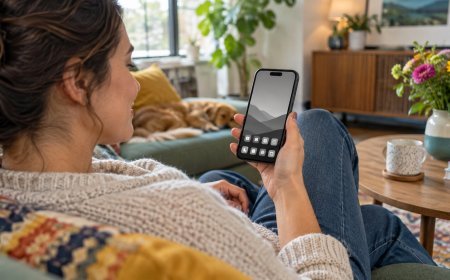

What Happens When You Carry Water With You Throughout the Day?
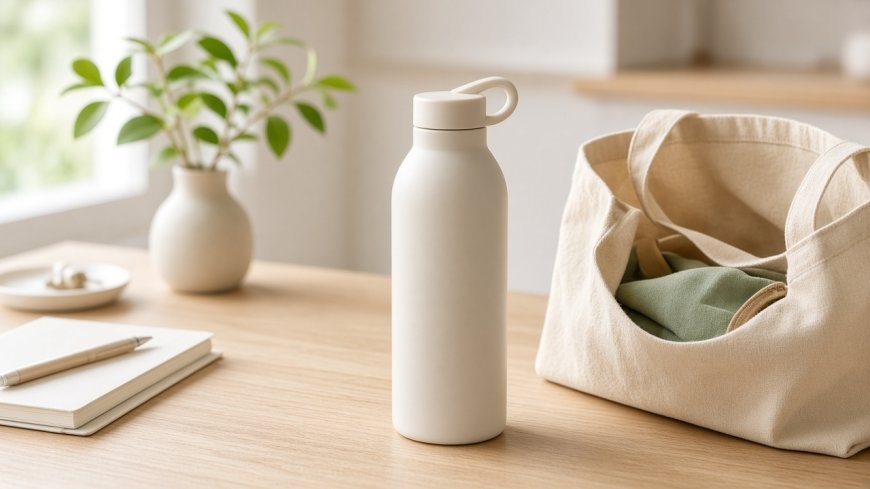
Water is easy to forget until thirst shows up loud. Many days begin with coffee, continue with meetings, and end with the sudden realization that the bottle on the counter never moved. Carrying water with you throughout the day is a simple lifestyle habit that changes how often you remember to drink, without turning hydration into a spreadsheet.
This piece explores what happens when you keep water within reach from morning through evening. It is not a clinic, not a detox protocol, and not medical advice about kidneys or electrolytes. It is grocery-store water on a Tuesday, carried in a bottle you actually like, so sipping becomes the easy option instead of a forgotten chore.
Why Out of Sight Usually Means Out of Sip
Hydration advice fails when it depends on remembering an invisible task. If the glass lives in the kitchen and you live at a desk, the glass loses. Carrying water collapses the distance. The bottle becomes a visual cue and a physical companion. You drink because it is there, not because you summoned discipline at three in the afternoon.
This is infrastructure, not virtue. People who seem naturally good at drinking water often have a bottle habit, a desk placement, or a commute mug that travels with them. You can borrow the same design without becoming a person who lectures friends about ounces.
Thirst is a late messenger on busy days. By the time it shouts, you may already feel scratchy, restless, or oddly tired. A carried bottle helps you stay ahead of that shout with small, boring sips that do not interrupt the day.
What You May Notice Across an Ordinary Day
After a week of carrying water, many people report ordinary, non-mystical shifts. Midday dry mouth shows up less often. The late-afternoon fog that sometimes tracks with forgetting fluids can soften. Bathroom trips increase a little, which is a practical planning note rather than a crisis. Energy may feel steadier simply because you are not oscillating between neglect and a huge catch-up gulp.
Results vary. Coffee, heat, activity, and sleep still matter. Treat noticed changes as feedback. The habit is a helpful default, not a personality overhaul or a health guarantee. If nothing dramatic happens except easier sipping, that still counts as success.
- Fewer long dry stretches between intentional drinks
- An easier cue than remembering a kitchen glass
- A calmer rhythm of small sips instead of rare big gulps
- A portable ritual that travels from desk to car to bag
- Less end-of-day surprise that you barely drank anything
Choose a Bottle You Will Actually Carry
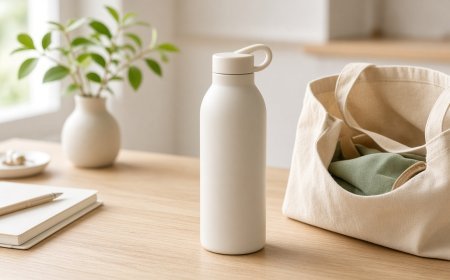
The best bottle is the one that leaves the house with you. Size, lid style, weight, and cleaning ease all matter. Some people love a wide-mouth bottle they can ice. Others prefer a slim bottle that fits a cup holder. A straw lid helps some desk workers sip without breaking focus. A leakproof lid matters more than aesthetics if your bag is precious.
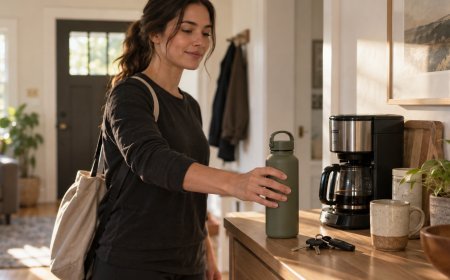
Buy nothing fancy if you already own something usable. Wash it tonight, fill it in the morning, and put it where your keys live. Habit attachment beats gear upgrades. If you want a small upgrade later, choose based on friction you already felt, not influencer photos of mountain trails and perfect light.
A Simple Carry Loop From Morning to Night
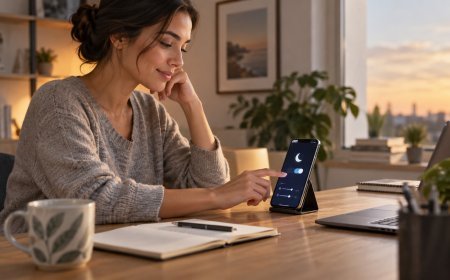
Fill the bottle as part of the same morning sequence as coffee or breakfast. Place it beside the laptop, not behind a monitor where it disappears. Take it to meetings when culture allows. Put it in the passenger cup holder on drives. Bring it to the couch in the evening if that is where the day softens. Refill when it hits halfway so you are not stuck with an empty companion during the hardest stretch of afternoon.
- Fill at the morning kitchen or sink stop you already make
- Park the bottle in the same desk or bag spot every day
- Refill at lunch and once again mid-afternoon if needed
- Bring it on errands so you are not dependent on finding a fountain
- Rinse at night so tomorrow starts clean instead of sticky
Sips Versus Chugs and Why Pace Feels Better
Carrying water often shifts people from rare large drinks to frequent small sips. That pace tends to feel gentler in an ordinary day. You are less likely to feel overly full, and you are more likely to stay ahead of strong thirst. There is no need to finish a giant bottle on a timer for lifestyle purposes. Presence beats performance.
If plain water bores you, keep the bottle as water most of the time and add occasional flavor the grocery-store way: a slice of citrus, a few berries, or a splash of juice. The point is still hydration access, not a fancy beverage program with recipes and special powders.
Coffee, Tea, and the Rest of Your Drinks
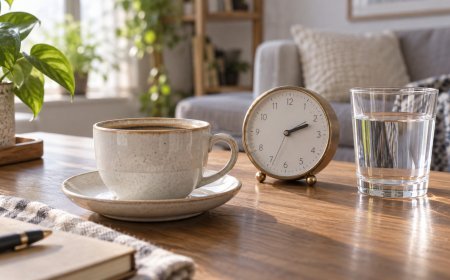
Carrying water does not ban coffee or tea. Many people keep their morning cup and still benefit from a water bottle nearby for the hours that follow. Think of water as the default background drink, not as a moral replacement for everything you enjoy. If caffeine later in the day unsettles your evening, that is a separate gentle check, not a reason to abandon the bottle.
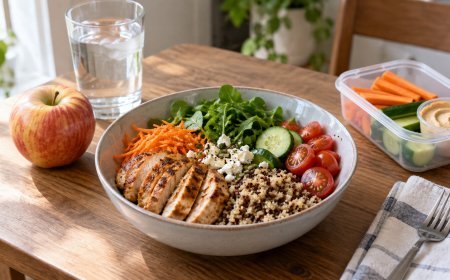
At meals, a glass on the table still helps. The carried bottle covers the in-between hours when glasses are out of reach and attention is elsewhere. Together they form a simple system: meal glasses plus travel companion.
Travel, Errands, and Days Away From the Desk
The habit proves itself on errand days. A bottle in the tote means you are not dependent on buying a drink you did not plan. For flights and long outings, fill after security or pack an empty bottle you can refill. Kids and caregiving days benefit too: your bottle can sit beside theirs so everyone has a visible cue.
If you forget the bottle one morning, use a cup at each stop you already make rather than declaring the day ruined. Restart at the next refill opportunity. Identity sticks to returns, not perfect streaks. A forgotten bottle is information about placement, not a character flaw.
Desk Culture and Polite Bottle Habits
Some workplaces treat bottles as normal. Others make drinking feel oddly visible. Keep it simple. A closed bottle on the desk is usually fine. If meetings discourage drinks, sip before and after. The habit survives cultural quirks when you treat it as personal infrastructure rather than a performance of wellness.
Shared fridges can steal bottles. Label yours. Keep a backup at the desk if theft or mix-ups are common. Slightly silly solutions still beat arriving home dehydrated and annoyed.
What This Is Not
This is not medical advice about how much water a body needs, electrolyte balance, or treating any condition. It is not a detox, cleanse, or cure claim. It is not a demand that you track ounces with anxiety. It is a lifestyle placement: keep water with you so drinking stays easy on ordinary days.
If you have personal health questions about fluids, talk with a qualified professional who knows your situation. This article stays with the carry habit on purpose.
Bottom Line
Carrying water throughout the day turns hydration from a forgotten chore into a nearby default. Choose a bottle you like, attach filling to a morning you already have, park it in sight, and refill before it goes empty. Notice whether the afternoon feels less dry and scrambled after a week of easy access.
Tomorrow, fill a bottle before you leave the kitchen and keep it beside your main work spot. Sip when you see it. That single placement is enough to begin.
What's Your Reaction?
 Like
0
Like
0
 Dislike
0
Dislike
0
 Love
0
Love
0
 Funny
0
Funny
0
 Angry
0
Angry
0
 Sad
0
Sad
0
 Wow
0
Wow
0