
























The Everyday Effects of Sitting for Long Stretches—and Simple Ways to Break It Up
Long stretches of sitting rarely announce themselves as a problem. You sit to answer email, sit through a meeting, sit for lunch at the same desk, sit for another round of screens, and suddenly the afternoon feels stiff, foggy, and oddly short. The day did not fail. It simply never asked your body to change positions often enough.
This piece looks at the everyday effects of sitting for long stretches and the simple ways to break it up. It is lifestyle health, not a clinic. It is not a diagnosis of posture disease, not a treatment plan, and not a claim that sitting is evil. It is about noticing what long stillness does to an ordinary Tuesday and placing tiny movement seams so the day feels kinder.
The Lived Pattern of Desk-Day Stillness
Most modern work and entertainment reward staying put. Chairs are comfortable. Screens are interesting. Meetings stack. Delivery apps remove walking errands. None of that makes you lazy. It makes stillness the default. By late afternoon, hips feel tight, the lower back complains a little, energy dips, and standing up feels like a project.
People often blame willpower or age when the real issue is missing transitions. Your body is built for change: sit, stand, walk, stretch, sit again. When hours pass with one posture, comfort fades even if the task is going well. Breaking up sitting is less about becoming an athlete and more about restoring those transitions on purpose.
Commutes can add another seated chapter. Car, train, and bus time stack on top of desk time before the evening couch arrives. Seeing the whole day as a sitting map helps you place breaks where they matter, not only where a fitness app expects a workout.
What You May Notice After Long Sitting Blocks
Effects show up as ordinary signals, not medical drama. Focus can get sticky. Shoulders creep toward the ears. Ankles feel restless. A short walk to the kitchen suddenly feels surprisingly good. Evening can bring a heavier body than the calendar alone would explain.
None of these signals prove something is wrong with you. They are feedback that the day had too few position changes. Treat them as cues to insert a break, not as evidence you need a complicated program or a scary internet search.
- Stiffness when you finally stand after ninety quiet minutes
- A mid-afternoon energy dip that eases after a short walk
- Restless legs or fidgeting that never quite finds a home
- Evenings that feel more drained than the task list suggests
- A sense that your best thinking arrives only after you finally move
What Breaking It Up Actually Means
Breaking up sitting means inserting short standing, walking, or stretch moments into the day you already have. It does not mean replacing every chair with a standing desk, joining a gym you will abandon, or counting every minute like a scoreboard. Aim for frequent small changes rather than one heroic workout that leaves the rest of the day glued down.
A useful lifestyle rule of thumb: change something about your position roughly every thirty to sixty minutes when you can. The change can be tiny. Stand while a kettle boils. Walk to a farther bathroom. Stretch your arms while a file downloads. Tiny is allowed because tiny repeats, and repetition is what reshapes how a week feels.
Simple Break Menu You Can Steal
Keep a short menu so you never have to invent a break from scratch when the brain is tired. Decision fatigue loves empty moments. A ready list protects you from skipping the break because choosing felt like work.
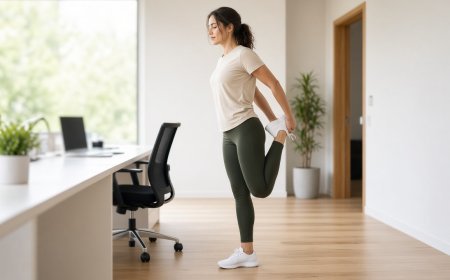
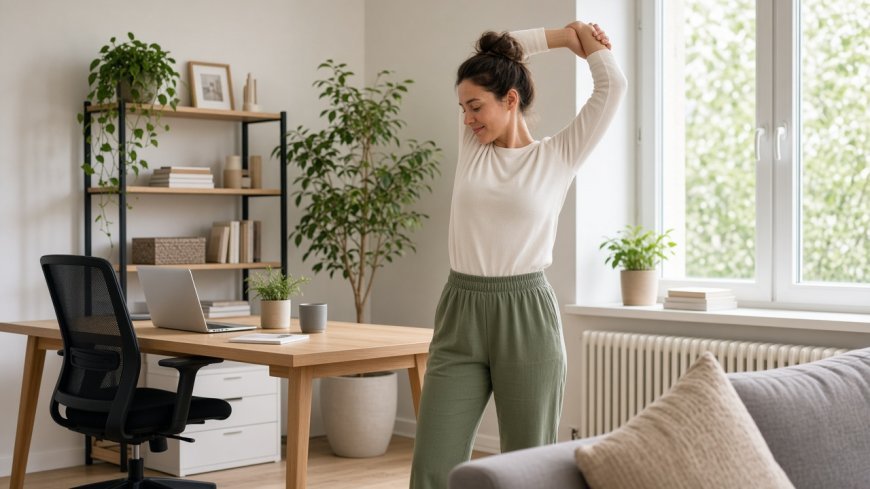
- Stand-and-reset: rise, roll shoulders, look past the screen for sixty seconds
- Room loop: walk the perimeter of your space or hallway once or twice
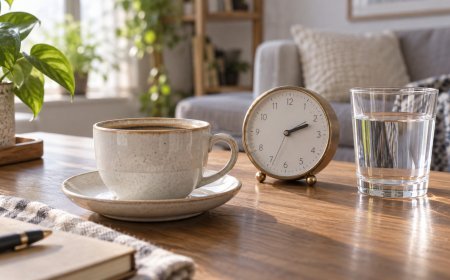
- Water or tea trip: refill with intention and take the long route back
- Stairs snack: one flight up and down if stairs are nearby and feel good
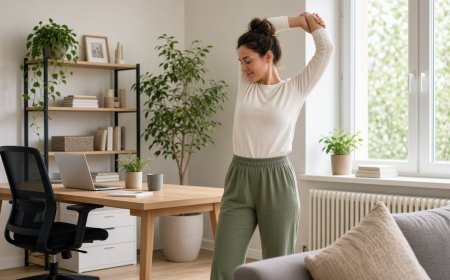
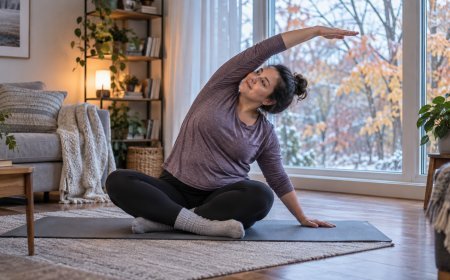
- Doorway stretch: gentle reach overhead and a soft side bend, no forcing
- Outdoor threshold: step outside for two minutes of air and daylight when possible
Pick two or three defaults and rotate them. Variety helps, but consistency matters more. A boring reliable loop beats an ambitious plan you only follow on perfect days. Write your defaults on a sticky note near the monitor if that helps them stay visible.
Timers, Calendar Blocks, and Soft Nudges
Willpower fades when focus deepens. That is normal. Use gentle structure. A phone timer every forty-five minutes, a watch stand reminder you actually honor, or calendar holds labeled Move that you treat like tiny appointments can all work. Choose the nudge you will not resent.
If timers feel annoying, tie breaks to existing seams: end of a meeting, send of an email batch, finish of a chapter, child pickup countdown. Habit stacking keeps movement from needing a separate personality. The break rides along with something already happening, which is why stacked breaks survive messy weeks better than isolated resolutions.
Sitting Breaks Versus Formal Workouts
Breaking up sitting and doing a workout are related cousins, not twins. A workout can be wonderful and still leave you sitting six hours afterward. Sitting breaks protect the hours between workouts. On busy weeks when the gym does not happen, breaks keep a movement identity alive so the week does not feel like total stillness.
If you already love long walks or strength sessions, keep them. Add breaks as glue, not as a replacement you must feel guilty about. The goal is a day with more position changes, not a perfect fitness resume you perform for an imaginary judge.
Work-From-Home, Office, and Hybrid Realities
At home, the fridge and laundry can become accidental break stations, which is fine if you return to work without turning the break into a forty-minute scroll. In an office, use printer walks, colleague face-to-face questions, and lunch away from the desk. Hybrid days can assign different defaults: home days get outdoor thresholds; office days get stair snacks.
Meetings are a special trap. Video calls invite stillness. When culture allows, stand for parts of calls, stretch on mute with camera off for a minute, or walk during phone-only segments. Ask before assuming. Small permissions add up across a month of calendar invites.
Evenings and Recovery After a Sitting-Heavy Day
If the day was mostly seated, evening does not need punishment. A short walk after dinner, easy floor stretches while a show plays, or tidying that involves standing can soften the stiffness without turning night into a second job. Sleep still matters more than a late intense session you dread.
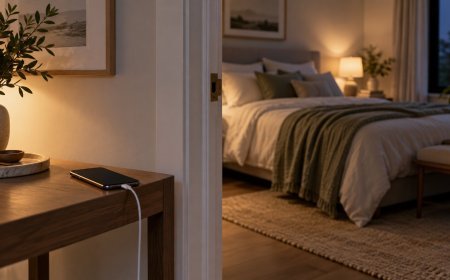
Notice whether late scrolling extends sitting further. A phone on the couch can add another quiet hour of stillness. Parking the phone for a short walk or stretch before the final sit can change how the night feels in your body without requiring a new hobby.
What This Is Not
This is not medical advice about circulation, spine conditions, or disease risk. It is not a claim that sitting causes a specific illness, and it is not a demand that you stand all day. Standing all day has its own fatigue. The lifestyle aim is variety: sit when sitting helps, move when stillness has gone on too long.
If you have personal health questions or pain that worries you, talk with a qualified professional who knows your situation. This article stays with everyday placements on purpose.
Bottom Line
Long sitting stretches make ordinary days feel stiffer and flatter. Breaking them up with short standing, walking, and stretch seams restores the transitions your body expects. Keep the breaks small, frequent, and tied to timers or existing moments so they survive real weeks.
Tomorrow, choose one default break and one nudge. Stand at the end of every meeting, or walk a short loop after each email window. Notice how the afternoon feels after a day with more position changes. That single experiment is enough to begin.
What's Your Reaction?
 Like
0
Like
0
 Dislike
0
Dislike
0
 Love
0
Love
0
 Funny
0
Funny
0
 Angry
0
Angry
0
 Sad
0
Sad
0
 Wow
0
Wow
0