








Walking Pads: What They Are Good For—and What They Cannot Replace
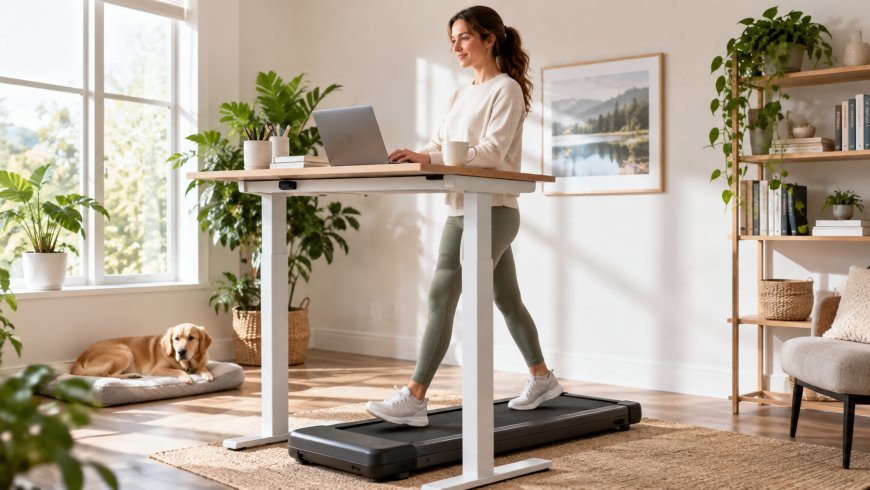
Walking pads showed up in living rooms the way many small fitness tools do: a promising answer to a familiar problem. You sit too much. Weather is loud. The gym is far. A slim belt under the desk or in front of the TV looks like a way to keep moving without rearranging your whole life. Sometimes that promise is fair. Sometimes it is oversold.
This piece is a gentle lifestyle look at what walking pads are good for, and what they cannot replace. It is not a product review shootout, not a training program, and not a clinic. It is a clear-eyed coach-friend guide for people who want more everyday movement without turning their home into a gym that collects laundry.
What a Walking Pad Actually Is
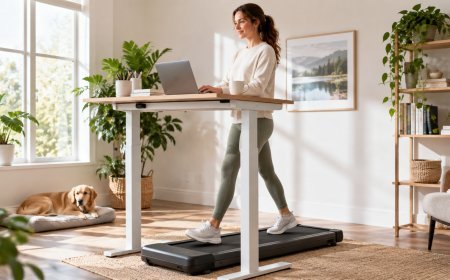
A walking pad is a compact, usually folding treadmill designed for walking rather than running. Speeds stay modest. The footprint is smaller than a classic treadmill. Many people slide one under a standing desk, park it in a spare corner, or pull it out for evening steps while a show plays. The appeal is friction: less travel, less weather negotiation, less all-or-nothing thinking.
That low friction is real. So is the risk of treating any gadget as a personality upgrade. A walking pad is a tool. Tools help when they match a clear job. They disappoint when they are asked to fix an entire lifestyle alone.
What Walking Pads Are Genuinely Good For
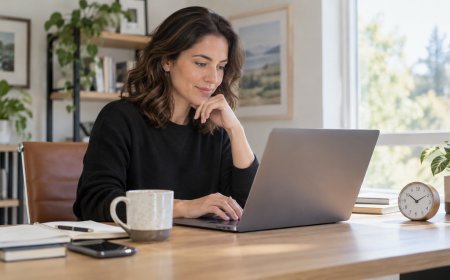
They shine at making short movement sessions easy to start. If outdoor walks keep losing to rain, heat, ice, or a dark commute home, an indoor option can keep the habit alive. If your workday is desk-heavy, slow walking during light tasks (calls you can take standing, simple admin, a podcast) can break long sitting stretches without requiring a change of clothes.
They also help people who feel self-conscious outdoors, who are rebuilding a gentle movement habit after a sedentary stretch, or who need something available at odd hours. Night-owl parents, early remote workers, and apartment dwellers without nearby sidewalks often find the pad useful precisely because it is boring and nearby.
- Weather-proof backup for an outdoor walking habit
- Slow movement during light desk tasks or calls
- Evening step sessions when leaving the house feels heavy
- A low-intimidation on-ramp back into regular walking
What They Cannot Replace
A walking pad cannot replace outdoor time when outdoor time is what you actually miss. Daylight, changing scenery, and fresh air are part of why walks reset many people. Indoor belt walking can still help your body move. It may not deliver the same mental seam as leaving the building. If your goal is a midday reset, try outdoor first when you can, and keep the pad as backup rather than default.
It also cannot replace strength work, mobility, sleep, or food habits that support how you feel. Walking is wonderful and incomplete. Treating steps as the whole fitness story leaves other useful pieces on the shelf. Nor can a pad replace thoughtful ergonomics. Walking while typing hard copy, crunching numbers that need precision, or staring at a low laptop can create new tension in wrists, neck, and shoulders. Match the task to the tool.
Desk Walking Versus Dedicated Walk Blocks
Two different uses get blurred in marketing. Desk walking means light movement during work. Dedicated walk blocks mean you set aside time to walk as the main activity. Both can fit a lifestyle. They ask different things of you.
Desk walking works best with slow speeds and tasks that do not need fine motor focus. Dedicated blocks work better when you want a true break: phone quieter, posture taller, attention off the inbox. Many people do best with a mix: a few short desk sessions on heavy sitting days, plus at least a couple of true walk blocks outdoors or on the pad without multitasking.
A Gentle Way to Place It in a Normal Week
Skip the urge to promise yourself ten thousand theatrical steps on day one. Start with placements you can repeat.
- Choose two outdoor walk days if weather and schedule allow
- Choose two short pad sessions as backup or evening movement
- Add optional slow desk walking only on days that are otherwise chair-bound
- Keep one fully restful movement day with no step target pressure
Ten to twenty minutes is a respectable session. Consistency that feels kind beats a heroic Saturday that becomes furniture by Thursday. If you already walk outdoors most days, you may not need a pad at all. Buy tools for gaps you actually have.
Comfort, Noise, and Shared Homes
Lifestyle fitness includes the people you live with. Pads make noise. Floors transmit vibration. Neighbors downstairs notice more than marketing copy admits. Test times of day that respect your household. A mat underneath can help. So can choosing slower speeds and shorter sessions instead of marathon evenings.
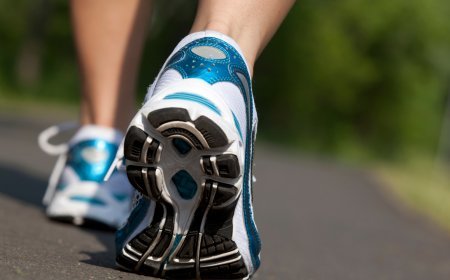
Comfort matters too. Supportive shoes you already own usually beat bare feet for longer sessions. Keep water nearby. Stop if something feels sharp or wrong. Gentle movement includes listening early rather than toughing through irritation that is trying to tell you something.
Buying Questions That Stay Practical
If you are considering a pad, ask lifestyle questions before feature questions. Where will it live when you are not using it? Will you actually pull it out, or will it become a horizontal shelf? Does your desk height support standing and slow walking without hunching? Is there a quieter outdoor route you have not tried yet that might solve the same problem for free?
Weight limits, warranty, and return windows matter more than LED dream panels. A simple machine you use beats a smart machine you admire. If budget is tight, outdoor walking, indoor hallway loops, and stair sessions remain excellent. A pad is optional infrastructure, not a membership in modern wellness.
Signs the Pad Is Helping Versus Becoming Furniture
Help looks ordinary: you sit less on loud weather weeks, evening restlessness softens, and you keep a walking identity even when the sidewalk is unfriendly. Furniture looks ordinary too: you step over it, you feel guilty, you promise next Monday. If two weeks pass with no honest use, shrink the goal or pause the experiment without self-scolding. Tools should earn their floor space.
What This Is Not
This is not medical advice, not a weight-loss protocol, and not a promise that walking pads transform health markers on a deadline. It is not a claim that indoor walking equals outdoor walking in every way that matters for mood and daylight. It is not a training plan. It is a lifestyle fitness conversation about a popular tool: where it fits, where it falls short, and how to use it without magical thinking.
If you have personal questions about starting any new activity, talk with a qualified professional who knows your situation. This article stays in the everyday lane on purpose.
Bottom Line
Walking pads are good for lowering the friction of indoor walking, backing up outdoor habits in rough weather, and offering gentle movement during light tasks. They cannot replace outdoor resets, strength, recovery, or thoughtful desk setup. Use them as one option in a movement life, not as the whole story.
Tomorrow, decide the real job you want movement to do this week. If a pad already lives in your home, give it one short honest session matched to that job. If it does not, try a twelve-minute outdoor loop first. The best tool is the one that gets your feet moving without a speech.
What's Your Reaction?
 Like
0
Like
0
 Dislike
0
Dislike
0
 Love
0
Love
0
 Funny
0
Funny
0
 Angry
0
Angry
0
 Sad
0
Sad
0
 Wow
0
Wow
0