




























Winter Hiking for Beginners: Gear, Trails, and Staying Safe
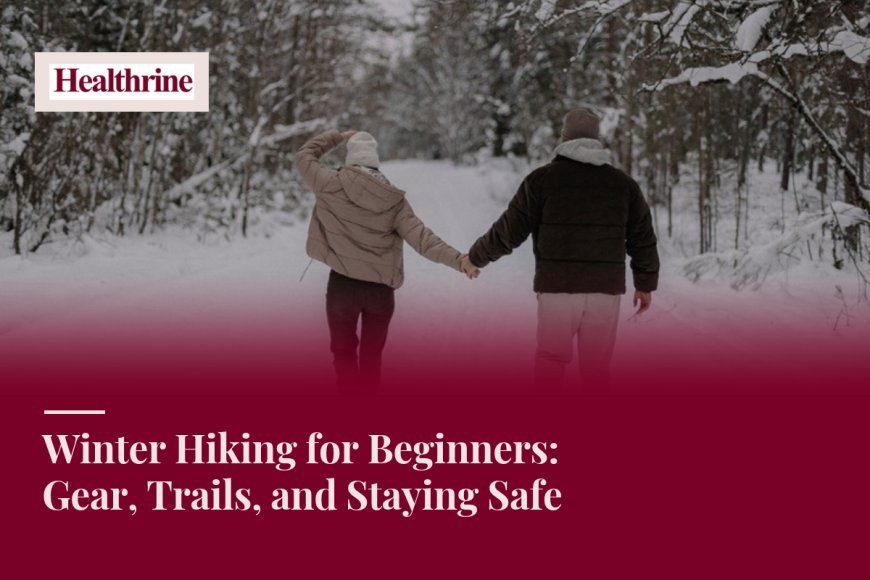
There is a particular kind of quiet on a trail after the first real snow. The leaves are gone, the views open up through bare trees, and the only sound is the crunch under your boots. Many hikers say winter is their favorite season on the trail: fewer crowds, crisp air, and a landscape that looks brand new.
It also asks more of you. Days are short, trails can be icy, and the weather can change fast. The good news is that a beginner doesn't need expedition gear or a mountain summit to enjoy it. With the right layers, a sensible trail, a plan for daylight, and a willingness to turn around, a winter hike can be one of the most refreshing ways to spend a weekend morning. This guide draws on general advice from the National Park Service to help you get started safely.
Start Small and Close to Home
Your first winter hikes don't need to be ambitious. Choose a trail you already know from warmer months, or a well-marked, well-traveled route in a state park, county forest preserve, or national park unit near you. Familiar ground is easier to read when snow changes how everything looks. The National Park Service notes that snow-covered landscapes can look very different than in summer and that some trails are not marked or maintained in winter.
Good beginner choices often share a few traits:
- Mostly flat or gently rolling, without steep, exposed sections
- A loop or out-and-back of a few miles, so you can shorten it easily
- A trailhead with parking that's plowed in winter
- A route that doesn't cross frozen lakes or streams
Plan for a slower pace than usual. Walking in snow, slush, or on uneven frozen ground takes more effort, so a 4-mile hike that takes 90 minutes in October might take two hours or more in January.
Layer Up the Smart Way
Dressing well is the heart of comfortable winter hiking. The NPS recommends layers of clothing and warm outer layers, and its general guidance points toward moisture-wicking synthetic or wool fabrics rather than cotton. Cotton holds moisture, and damp clothing can leave you feeling chilled once you stop moving.
A simple three-layer system works for most beginners:
- Base layer: a long-sleeve top and leggings made of wool or synthetic fabric that pulls sweat away from your skin.
- Insulating layer: a fleece jacket, a wool sweater, or a light puffy jacket to hold in warmth.
- Outer shell: a waterproof or wind-resistant jacket and, if it's snowy or wet, waterproof pants.
Then add the extras:
- A warm hat that covers your ears
- Gloves or mittens, plus a spare pair in your pack
- A neck gaiter or scarf
- Wool or synthetic hiking socks, plus a dry pair to change into
- Sunglasses and sunscreen, since sun reflecting off snow can be bright
A common tip among experienced hikers is to start out feeling slightly cool. You'll warm up within the first 10 minutes of walking, and starting too bundled can leave you sweaty. Unzip or remove a layer before you overheat, and put it back on when you stop for a break.
Footwear and Traction Matter More Than You Think
Slipping is one of the most common winter trail mishaps, so your feet deserve special attention. The NPS lists waterproof boots and gaiters among its winter hiking essentials, and recommends over-the-shoe traction devices whenever you're walking on ice and snow. As the agency puts it, a short, unexpected stretch of ice is enough to make you glad you have them.
What to look for:
- Waterproof hiking boots with good tread and room for a warm sock. Boots that fit snugly in summer may feel tight with thicker socks, so try them on with your winter pair.
- Gaiters, which wrap around your lower legs and keep snow from getting into your boots.
- Traction devices, such as microspikes or similar slip-on traction that stretch over your boots. These are a good beginner choice for packed snow and ice on established trails.
- Snowshoes, if you're heading somewhere with deep, fresh snow. Many parks and outdoor shops rent them, which is a good way to try before buying.
- Trekking poles, which the NPS suggests for footing on icy trails. They add balance on slick downhills and stream crossings.
Take your time on downhill sections, where slips tend to happen. Shorter steps and a slightly bent knee can help you feel more stable.
Plan Around Daylight and Weather
Winter days are short, and darkness falls fast in the woods. Check the sunset time before you go and plan to be back at the trailhead with time to spare. NPS hiking safety guidance encourages hikers to keep track of time and distance and to set a turnaround time, then stick to it, so you don't get caught out after dark.
A simple way to plan:
- Look up sunset for your trail's location.
- Estimate your total hiking time, adding extra for snow and breaks.
- Work backward to choose a start time.
- Set a firm turnaround time, even if you haven't reached your goal.
Check the weather forecast and the trail conditions before you leave. Many parks post current conditions online or at visitor centers, and rangers can tell you about icy sections, closures, or avalanche concerns in mountain areas. The NPS also reminds hikers that weather can change quickly, especially at higher elevations.
Pack the Essentials and Tell Someone Your Plan
Even on a short hike, carry the basics. The National Park Service recommends packing the Ten Essentials on every outing: navigation, sun protection, extra clothing, a headlamp or flashlight, first-aid supplies, fire-starting materials, a repair kit and tools, extra food, extra water, and emergency shelter such as a lightweight emergency blanket.
For winter, a few items deserve extra attention:
- A headlamp with fresh batteries, in case your hike runs late
- Water in an insulated bottle or a bottle carried inside your pack, so it's less likely to freeze
- Snacks you can eat with gloves on, such as trail mix, granola bars, or cheese and crackers
- A paper map, because the NPS advises not relying on cell phones, since many areas have no service
- A whistle for signaling if you need help
Before you go, tell a friend or family member exactly where you're hiking, when you plan to start, and when you expect to be back. The NPS recommends making sure someone knows where you are and when to expect your return, and Yosemite's winter guidance notes this is especially important in winter, when an unplanned night out is more serious. Text them when you're safely back at your car.
Know Your Limits and Turn Back Early
The most important winter hiking skill isn't technical. It's the willingness to turn around. The NPS puts it simply: always be willing to turn around, because weather and trail conditions can change quickly.
Good reasons to head back early include:
- Your fingers, toes, or face feel very cold and aren't warming up
- Your clothes are wet from sweat or snow
- The trail is icier or deeper than you expected
- The weather is turning, or visibility is dropping
- Anyone in your group feels unusually tired, clumsy, or confused
- You've hit your turnaround time
When in doubt, stop, put on a dry layer, eat something, drink some water, and walk back the way you came. Hike with a friend when you can, let the slowest person set the pace, and keep the group together.
Leave No Trace principles apply in winter too: stick to established trails where possible, pack out everything you bring, and give wildlife plenty of space. With good preparation and a flexible mindset, your first winter hikes can be the start of a whole new season outdoors.
What's Your Reaction?
 Like
0
 Dislike
0
 Love
0
 Funny
0
 Angry
0
 Sad
0
 Wow
0