
























Winter Hobbies That Build Calm and Skill: Knitting, Puzzles, Baking, and More
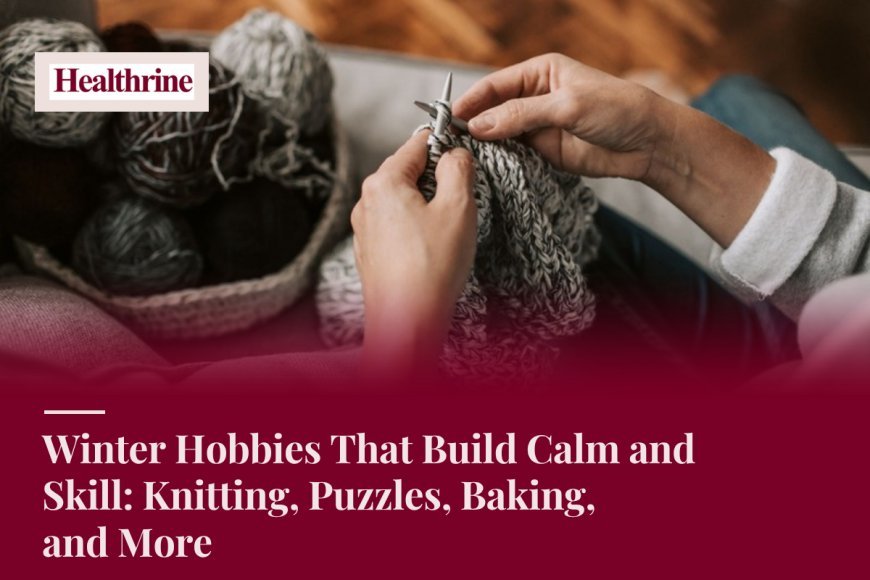
Some winter evenings call for something to do with your hands. Not another episode, not another scroll, but an activity with a little texture to it: yarn moving through your fingers, a puzzle edge clicking into place, dough rising on the counter.
This piece is a menu, not a program. If you want help choosing a single skill and building a practice habit around it, our earlier guide, Learning a New Skill This Winter: How to Choose One and Stick With It, covers that. Here the goal is simpler. Below are hobbies that many people find both calming and quietly rewarding, along with what each one feels like, what it costs to start, and who tends to enjoy it.
What Makes a Hobby Feel Calming
Not every pastime soothes. Competitive gaming can leave your heart pounding, and a complicated recipe on a weeknight can feel like a second job. The hobbies people often describe as calming tend to share a few traits:
- A repeating, rhythmic motion, like knitting stitches or kneading
- A clear next step, so your mind doesn't have to plan very far ahead
- Visible progress you can see by the end of a session
- Low stakes, meaning mistakes are easy to undo or simply don't matter much
- Something to hold or look at besides a screen
The skill part comes in slowly. You won't notice it night to night, but after a month you may realize your rows are more even or you're spotting puzzle patterns faster. That gradual competence is its own quiet satisfaction.
It also helps to match the hobby to your energy. After a draining workday, something repetitive and familiar may feel best. On a slow Sunday, you might have room for a project that asks more of your attention, like a new bread recipe or a tricky section of a puzzle. Having one of each on hand means there is usually something that fits the evening you actually have, instead of the evening you planned. Many people keep a simple project and a stretch project going at the same time for exactly this reason.
Knitting and Crochet: Rhythm in Your Hands
Knitting and crochet have a reputation as grandparent hobbies, but anyone who has walked into a busy yarn shop on a Saturday knows that's out of date. Both crafts are portable, inexpensive to start, and naturally rhythmic.
Starting kit: one ball of medium-weight yarn in a light color (dark yarn makes stitches hard to see), a pair of size 8 needles or a size H crochet hook, and a pair of scissors. Many craft stores and libraries host beginner circles, and free video tutorials cover the basic stitches.
A good first project is a plain scarf or a dishcloth. Both are flat, forgiving, and finished in a few weeks. Crochet tends to move faster and is easier to undo; knitting creates a drapier fabric. Try whichever one a friend can show you.
Who tends to like it: people who enjoy having something to do during conversations or TV, and anyone who likes the idea of making gifts.
Jigsaw Puzzles: Focus Without Pressure
A puzzle on the dining table becomes a small, shared project. Family members wander by and fit a few pieces. A partner joins for twenty minutes after dinner. It's one of the few hobbies that works equally well alone and with company.
Start with 500 pieces if you're new; 1,000 pieces can feel endless at first. Images with distinct color zones, like a bookshelf or a garden, are easier than a sky or a field of snow. A roll-up felt mat or a large piece of cardboard lets you move the puzzle when you need the table.
Simple strategies help: sort edges first, then group by color or texture, and work on one section at a time. When you get stuck, step away. It's remarkable how often the missing piece jumps out after a cup of tea.
Who tends to like it: detail-oriented people, families with mixed ages, and anyone who enjoys a slow, sociable activity.
Bread and Slow Baking: Patience You Can Smell
Baking bread is less about recipes and more about waiting. You mix, knead, wait, shape, wait again, and bake. That structure gives the evening a gentle shape, and the kitchen smells wonderful while you're at it.
A no-knead loaf is the easiest entry point: flour, water, salt, and yeast stirred together and left to rise overnight, then baked in a heavy pot. From there, many people move on to kneaded sandwich breads, focaccia, or cinnamon rolls for a weekend morning.
You'll learn as you go. What dough feels like when it's ready. How your oven runs hot in the back. Why a rainy day can change how fast things rise. Those small lessons build a real skill over a season.
Who tends to like it: people who enjoy sharing food, appreciate a slower pace on weekends, and don't mind a little flour on the floor.
More Ideas to Try This Season
If none of those three appeal, here are other hobbies with a similar calm-and-skill mix:
- Watercolor painting with a small pan set and a pad of cold-press paper; quick color studies of mugs or houseplants are a low-pressure start
- Hand lettering or calligraphy with a brush pen and practice sheets
- Embroidery or cross-stitch with a beginner kit that includes a hoop, floss, and a printed pattern
- Origami, which needs only paper and a free diagram, and suits short breaks
- Houseplant propagation, rooting cuttings in jars of water on a windowsill
- Model building, from wooden ships to small architecture kits
- Sketching from life in a pocket notebook while you sit in a café or by a window
- Card games or solo board games that reward pattern spotting
When you're choosing, think about where you'll actually do it. A hobby that lives in a closet tends to stay there. One that has a basket by the couch or a corner of the kitchen table gets used.
Keeping It Cozy, Not Competitive
The fastest way to drain the calm out of a hobby is to turn it into a performance. A few gentle guardrails:
Keep your expectations small. A wobbly scarf still keeps a neck warm. A lopsided loaf still tastes good with butter. You're allowed to be a beginner for as long as you like.
Be thoughtful about sharing online. Posting progress can be fun and connect you with other makers, but if you notice yourself comparing your first project to someone's tenth year of practice, it might be worth keeping things offline for a while.
Spend modestly at first. It's tempting to buy every color of yarn or a full set of paints in week one. Starting with basics lets you find out what you actually enjoy before the craft room fills up.
Let it be social when you want. Many communities have knitting nights, puzzle swaps at libraries, or baking groups that trade starters. A shared hobby can be an easy way to meet people without the pressure of making conversation the main event.
Winter is long, and the evenings come early. Filling a few of them with something you can hold, shape, and finish may make the season feel less like waiting and more like making. Pick one idea from this list, gather the simple supplies, and give yourself a couple of relaxed evenings to see how it feels.
What's Your Reaction?
 Like
0
 Dislike
0
 Love
0
 Funny
0
 Angry
0
 Sad
0
 Wow
0