













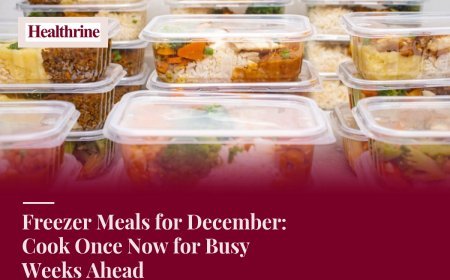








Freezer Meals for December: Cook Once Now for Busy Weeks Ahead
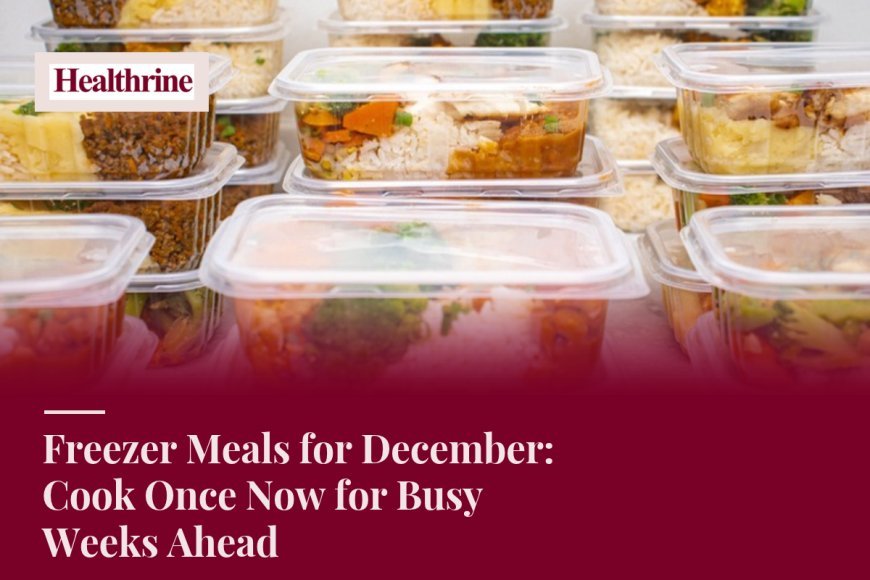
December has a way of filling up before it starts. There's the office party, the school concert, the cookie exchange, the out-of-town relatives, and at least one week when everyone in the house gets home late and hungry at the same time. On those nights, the difference between takeout and a relaxed dinner can be a single labeled container waiting in the freezer.
Early November is a good window to get ahead. The pace is often a little slower, grocery stores have good prices on staples, and a few afternoons of batch cooking can stock your freezer with meals you'll be glad to see in three or four weeks. This guide covers which dishes freeze well, how to cool and pack them safely, how to label everything, and how to thaw and reheat when the busy weeks arrive.
Choose Dishes That Like the Freezer
Some foods freeze beautifully. Others turn watery, grainy, or limp. Picking the right ones is half the work.
Dishes that tend to freeze well:
- Soups, stews, and chili, especially bean, lentil, chicken, and beef-based recipes
- Pasta sauces, including marinara, meat sauce, and vegetable-heavy sauces
- Casseroles and baked pasta, like lasagna, enchiladas, and baked ziti
- Shredded or cubed cooked chicken, pork, or beef
- Meatballs and turkey burgers, cooked or raw and shaped
- Cooked grains, such as brown rice, farro, and quinoa, in flat bags
- Breakfast burritos and egg muffins
- Muffins, quick breads, pancakes, and waffles
Foods that often don't freeze as nicely include salad greens, raw cucumbers and tomatoes, mayonnaise-based salads, cream sauces that can separate, and fried foods that lose their crunch. Cooked pasta and potatoes can turn soft in soups, so many cooks freeze the soup base and add the noodles or potatoes when reheating.
Aim for a mix: a couple of soups, a casserole, a sauce, a protein you can use in several ways, and a breakfast option. That variety makes the stash feel useful instead of repetitive.
Think about portion size, too. A household of two may want single-meal containers, while a family of five may prefer one big pan. Individual portions are handy for work lunches or for the nights when everyone eats at a different time. Freezing a few single servings alongside family-size containers gives you flexibility when plans change at the last minute.
Plan a Simple Batch-Cooking Session
You don't need to fill the freezer in one marathon day. Many people find two or three shorter sessions more manageable. Here's one way to approach it:
- Pick three recipes. Choose ones that share ingredients, such as onions, garlic, carrots, ground turkey, and canned tomatoes, so prep goes faster.
- Double or triple each one. Cook one portion for dinner that night and freeze the rest.
- Check your freezer space first. Clear out old items, and make sure you have room for flat bags and containers.
- Gather containers before you cook. Freezer bags, airtight plastic or glass containers labeled freezer-safe, and foil pans with lids all work.
- Set up a cooling station. Shallow containers, a clear spot in the fridge, and a roll of labels or masking tape and a marker.
Putting on a podcast or inviting a friend to cook with you and split the haul can make the afternoon feel less like a chore.
Cool It, Pack It, Freeze It Safely
Safe cooling is the step people most often rush. The USDA's Food Safety and Inspection Service advises refrigerating perishable food within two hours of cooking, or within one hour if the temperature is above 90 degrees Fahrenheit. It also recommends dividing leftovers into shallow containers and putting them in the refrigerator or freezer promptly so they cool quickly.
In practice, that means:
- Don't let a big pot of chili sit on the stove all evening to cool.
- Divide large batches into shallow containers or flat freezer bags so the food cools evenly.
- Leave a little room at the top of containers, since liquids expand as they freeze.
- Press air out of freezer bags, then lay them flat on a tray to freeze. Once solid, you can stand them up like files.
- Wrap casseroles tightly in foil or freezer wrap, or use a pan with a snug lid.
Your freezer temperature matters too. The USDA recommends keeping the freezer at 0 degrees Fahrenheit or below, and keeping an appliance thermometer inside to check it. According to the USDA, food kept constantly at 0 degrees stays safe, though quality slowly declines with long storage. Many cooks aim to eat batch-cooked meals within about two to three months for the best flavor and texture.
Label Like Your Future Self Is Tired
A freezer full of mystery bricks isn't much help on a hectic Tuesday. A clear label takes seconds and saves a lot of guessing. Include:
- The name of the dish
- The date you froze it
- The number of servings
- Short reheating notes, such as "thaw in fridge overnight, bake 350 F covered 45 min" or "add 1 cup broth when reheating"
A simple inventory list on the freezer door or in a shared phone note helps too. Cross items off as you use them, and you'll always know what's ready. Some families like a "use first" bin at the front of the freezer for the oldest meals.
Thaw and Reheat the Safe Way
When it's time to eat, how you thaw matters. The USDA lists three safe ways to thaw food: in the refrigerator, in cold water, and in the microwave. It advises against thawing on the kitchen counter, outdoors, or anywhere else at room temperature.
- In the refrigerator: the easiest and most hands-off option. Move tomorrow's dinner from the freezer to the fridge the night before. Small items often thaw overnight, while large casseroles can take a day or more. Put containers on a plate or tray to catch drips.
- In cold water: faster, but it needs attention. Seal the food in a leak-proof bag, submerge it in cold tap water, and change the water every 30 minutes. Cook it right after it thaws.
- In the microwave: the quickest option. Use the defrost setting and plan to finish heating it right away.
A quick word on refreezing. The USDA says food thawed in the refrigerator can be refrozen, though some quality may be lost, while food thawed in cold water or the microwave should be cooked before it goes back in the freezer. If you're not sure you'll eat a whole casserole, it can be simpler to freeze it in smaller portions to begin with.
The USDA also notes that it's safe to reheat many frozen leftovers without thawing, such as soups and stews in a saucepan or casseroles in the oven. It just takes longer.
Whichever way you thaw, reheat leftovers to 165 degrees Fahrenheit, checked with a food thermometer. The USDA recommends bringing soups, sauces, and gravies to a rolling boil. In the microwave, cover the dish, stir and rotate it partway through, and check the temperature in several spots, since microwaves can leave cold patches.
A Sample December Freezer Lineup
If you'd like a starting point, here's what a well-stocked December freezer might include for a family of four:
- Two bags of turkey and white bean chili
- One pan of vegetable lasagna
- A double batch of meatballs, ready for sauce or sandwiches
- Three quarts of chicken and vegetable soup base, with noodles added later
- A bag of shredded chicken for tacos, salads, and grain bowls
- A dozen breakfast burritos wrapped individually
- A loaf of pumpkin or banana bread, sliced before freezing
Round out frozen meals with quick fresh sides when you serve them: a bagged salad, steamed frozen vegetables, a loaf of crusty bread, or sliced fruit. That combination can turn a container from the freezer into a dinner that feels homemade, because it is.
Cooking ahead won't make December any less busy. But on the nights when the calendar wins, knowing there's a good meal waiting can make the whole evening feel a little lighter.
What's Your Reaction?
 Like
0
 Dislike
0
 Love
0
 Funny
0
 Angry
0
 Sad
0
 Wow
0