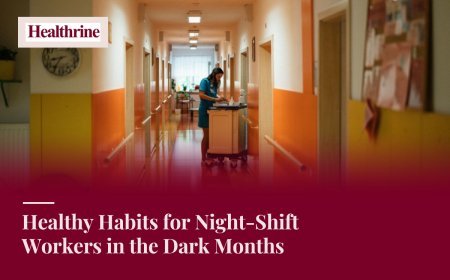























Healthy Habits for Night-Shift Workers in the Dark Months
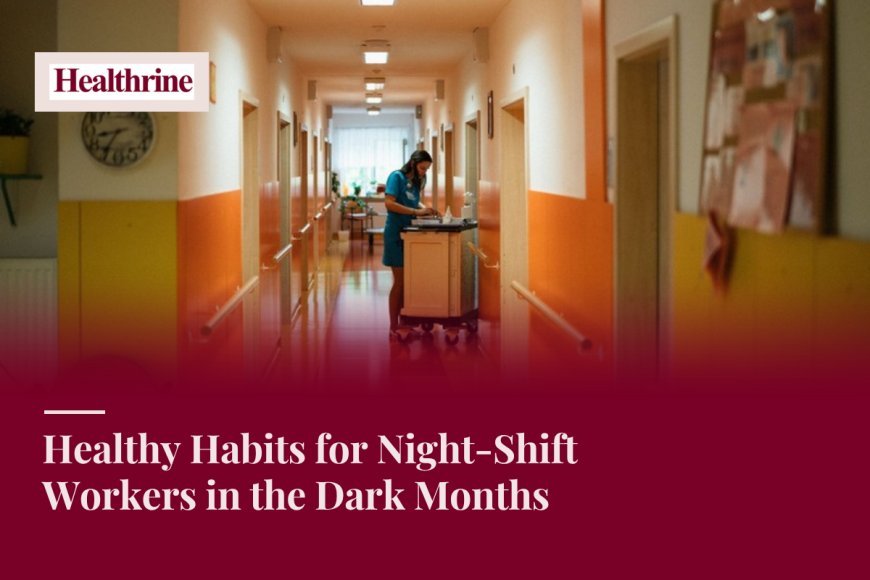
If you work nights, you already know the strange math of late fall. You drive in after sunset and drive home after sunrise, or close to it, and some weeks it can feel as if daylight is something that happens to other people. Your coworkers may joke about living like owls. Your family may forget you are asleep at noon.
None of that means you are doing anything wrong. Night work keeps hospitals, warehouses, transit lines, and emergency services running, and plenty of people build steady, satisfying lives around it. The dark months simply ask for a little more intention. This guide focuses on the parts of daily life you can shape at home and on the job: where you sleep, how you handle light, what and when you eat, and how you stay connected to the people you care about.
Set Up Your Bedroom Like a Daytime Cave
The single biggest lever for many night-shift workers is the room where they sleep. The National Institute for Occupational Safety and Health (NIOSH), part of the CDC, suggests making the sleep space very dark, quiet, cool, and comfortable. Its training material for nurses on night shifts goes as far as saying the room should be dark enough that you can't see your hand in front of your face, or that you should wear an eye mask.
A few practical upgrades:
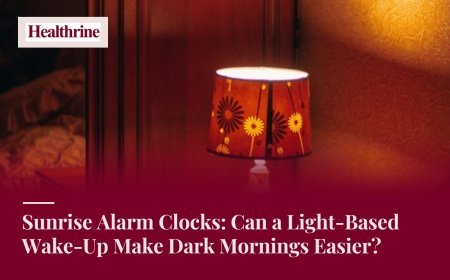
- Blackout shades or heavy lined curtains, with the edges taped or tucked so light doesn't leak around them
- A draft stopper or rolled towel under the door to block hallway light
- A dim red night-light for the path to the bathroom, so you don't flood your eyes with bright light halfway through your sleep
- Earplugs or a fan or white-noise machine for daytime traffic, deliveries, and leaf blowers
- Phone on do-not-disturb, with only a short list of contacts allowed through
It also helps to cover small glowing lights. Chargers, clock radios, and TV standby lights add up in a fully dark room. A strip of electrical tape costs almost nothing.
Work With Light Instead of Against It
Light is a strong signal for your body clock, and in winter you have less of it to work with. NIOSH's shift-work guidance describes a general pattern that many full-time night workers find useful: spend more time in bright areas during the first half of the shift, then ease off bright light during the second half so it's easier to fall asleep when you get home.
On the way home, some people wear sunglasses to keep morning light from waking them up. NIOSH adds an important safety note here. If you are very sleepy, sunglasses can make drowsy driving more dangerous, so the safest approach is to use them only if someone else is driving. If you drive yourself and feel heavy-eyed, pull over somewhere safe, call a ride, or take a short nap before you head out.
On days off, a short walk outside in daylight can be a pleasant way to feel part of the world again, especially on bright winter afternoons.
Eating on a Schedule That Fits Your Shift
Night work turns the usual breakfast-lunch-dinner rhythm sideways, so it can help to stop thinking in those labels and simply plan three or four eating moments that match your hours.
One common pattern looks like this:
- A real meal before your shift, the one you'd call dinner if you worked days
- A lighter, planned snack or small meal around the middle of the shift
- A small snack after you get home if you're hungry, then sleep
NIOSH suggests that if you will likely feel hungry while trying to sleep, a small meal that includes protein and a carbohydrate, such as cereal and milk, can make it easier to settle. The same guidance recommends avoiding heavy, spicy meals for two to three hours before bed.
Packing your food also makes a difference. Vending machines and 3 a.m. drive-throughs are easy defaults when you're tired. A small insulated bag with soup in a thermos, a grain bowl, cut fruit, yogurt, nuts, or a sandwich can make the middle of the night feel more like a proper break. Keep a water bottle at your station so you're not running on coffee alone.
Caffeine is a tool many shift workers rely on, and there's no need to give it up. Timing is the main thing to think about. NIOSH notes that caffeine's half-life, the time it takes your body to clear half of it, is about five to six hours, and longer in some people. Its guidance suggests having caffeine near the start of a shift and stopping several hours before the shift ends.
If you notice that a 4 a.m. coffee leaves you staring at the ceiling at 10 a.m., try moving your last cup earlier by an hour for a week and see how your sleep feels. Small experiments like that are more useful than any one-size rule.
Alcohol is worth a second look too. NIOSH points out that it can help you fall asleep but tends to cause early waking and broken sleep. A drink at 8 a.m. after a long night can feel like winding down, but it may cost you rest.
Protecting Your Sleep Without Disappearing
Sleep for night workers is often shorter and lighter than it is for day workers, so guarding it matters. NIOSH suggests heading to bed fairly soon after you get home rather than starting chores or errands, because early in the day can be prime sleep time. If you can fit in a nap before your next shift, that may add to your total rest.
Guarding sleep doesn't have to mean vanishing from your household, though. A few ideas that tend to help:
- Post a simple sign or shared calendar so family and roommates know your sleep window
- Ask for help with doorbell, deliveries, and dog-walking during those hours
- Keep a consistent wind-down routine, such as a shower, brushing your teeth, and reading a few pages, so your body gets the same cue every morning
- Set an alarm with enough time to wake up gradually before your shift
The CDC recommends at least seven hours of sleep for most adults. That number can feel ambitious on a night schedule, especially in the first weeks of a rotation, so think of it as a direction to move toward rather than a test you pass or fail.
Staying Connected When Everyone Else Is Asleep
The social side of night work can be the hardest part of winter. Friends make plans for Friday evenings. Holiday parties land right in the middle of your sleep. It's easy to feel out of step.
A few small habits can help keep relationships warm:
- Pick one standing time each week, maybe a late breakfast with a partner or a Sunday afternoon call with a sibling, and protect it the way you'd protect a shift
- Send short voice messages during your break so people hear your voice even when schedules don't line up
- Invite friends to things that fit your clock, like an afternoon movie or a weekend brunch on your day off
- Connect with coworkers on your shift; they understand your hours better than anyone
On your days off, you might choose to stay partly on a night rhythm or flip back toward daytime. Both approaches are common, and the right one depends on your rotation, family needs, and how you feel. Some people find that a middle-ground schedule, staying up until the early morning and sleeping until late morning, makes switching back and forth less jarring.
A Season to Be Kind to Yourself
Winter on nights asks a lot. Darker mornings, colder commutes, and holiday plans all stack up. You don't have to get every piece right. Start with the one change that seems easiest, maybe blackout curtains or a packed snack, and give it two weeks.
If you find that you're often very sleepy on the job or on the road, or your sleep feels off no matter what you try, it's reasonable to talk with a doctor or your workplace health team. They can help you look at your schedule and situation with fresh eyes. In the meantime, a dark room, a plan for light, a lunch bag you actually like, and a few protected hours with people you love can go a long way toward making the long nights feel more manageable.
What's Your Reaction?
 Like
0
 Dislike
0
 Love
0
 Funny
0
 Angry
0
 Sad
0
 Wow
0