
















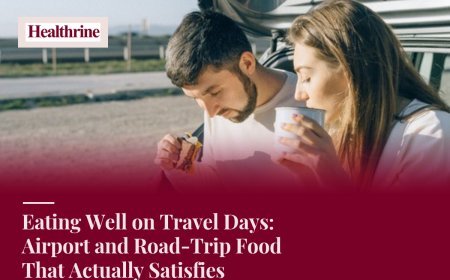








Eating Well on Travel Days: Airport and Road-Trip Food That Actually Satisfies
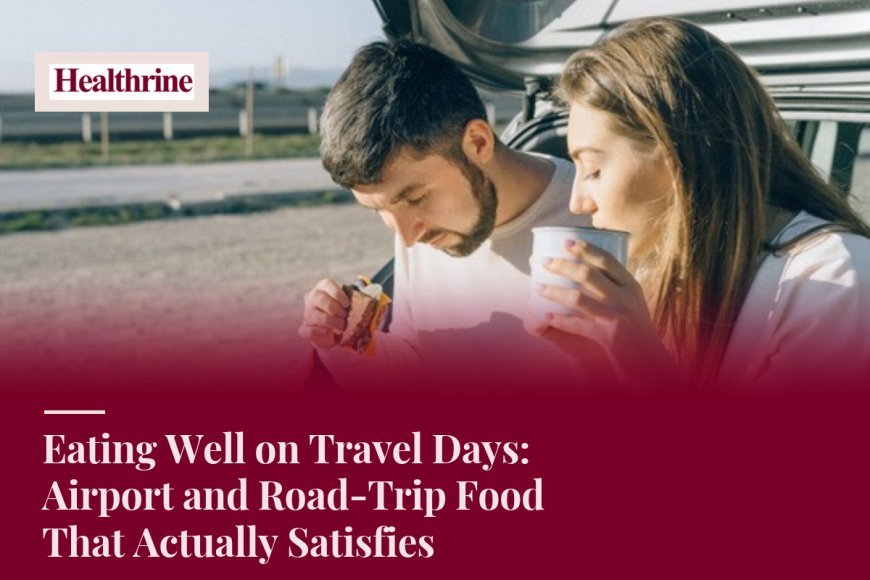
Somewhere between the 6 a.m. alarm and the rental car counter, travel day hunger tends to sneak up on you. Maybe it's the airport pretzel you grabbed because the gate was boarding, or the gas station hot dog at mile 212 of the drive to Grandma's. By the time you arrive, you're tired, cranky, and wondering why a day of mostly sitting left you feeling so wiped out.
Eating well on the road doesn't require a perfect meal plan. It mostly comes down to a little packing, a few smart choices when you buy food on the go, and remembering to drink water. This guide covers food for both kinds of American travel days: flying through airports and driving long stretches of interstate.
Pack Food Before You Leave the House
The simplest way to eat well while traveling is to bring some of your own food. It saves money, cuts down on rushed decisions, and gives you a backup when the only open restaurant in the terminal has a 40-minute line.
Good travel foods tend to be easy to eat with one hand, not too messy, and satisfying for a few hours. Many people like to pair a protein, a fiber-rich carb, and something fresh:
- A whole-grain sandwich or wrap with turkey, chicken, hummus, or peanut butter
- Hard cheese and whole-grain crackers
- Nuts, trail mix, or roasted chickpeas
- Apples, clementines, bananas, or grapes
- Baby carrots, snap peas, or bell pepper strips
- Granola or protein bars you already know you like
- A muffin or homemade banana bread
Pack food in reusable containers or bags and bring a few napkins and a small trash bag. If you're traveling with kids, a separate snack bag for each person can make the day calmer.
Know What You Can Bring Through Security
Flying with food is easier than many people think. According to TSA, solid foods like sandwiches, cookies, cakes, and pizza can go in your carry-on bag. The catch is liquids. If a food can be spilled, spread, sprayed, pumped, or poured, TSA considers it a liquid. That means it falls under the usual carry-on liquids limit, so larger containers belong in a checked bag.
A few practical examples:
- Usually fine as solids: sandwiches, whole fruit, crackers, cheese, nuts, granola bars, baked goods
- Count as liquids or gels: yogurt, hummus, peanut butter, salad dressing, soup, and drinks, so pack small portions, check larger ones, or buy them after security
TSA has special allowances for baby formula, breast milk, and baby food, so parents traveling with little ones can check the TSA website for details before the trip. Foods may also need extra screening, so it can help to pack snacks in an easy-to-reach spot in your bag. Rules for international flights can differ, so check before you go.
Making Smart Choices at the Airport
Even with packed snacks, you'll probably buy something at the airport, especially on a long day with connections. Airport food has come a long way, and many U.S. terminals now have grab-and-go markets alongside the fast food.
A few strategies that tend to work:
- Walk the concourse before choosing. The first place you see isn't always the best option. Many terminals post a directory near security.
- Look for protein and produce. Grilled chicken bowls, salads with a protein, egg sandwiches, burrito bowls, sushi, or yogurt parfaits tend to keep people satisfied longer than a big pastry alone.
- Build a meal from a market. A banana, a cheese stick, a bag of nuts, and a bottle of water can be a solid snack plate.
- Go easy on heavy, greasy meals before a long flight. Many people find they feel better in a cramped seat after something lighter, and a lighter meal is easier to finish quickly if your gate changes or boarding starts early. You can always pick up a snack once you land.
- Mind portion sizes. Airport portions can be big. Sharing a meal or saving half for later is an option.
On the plane, the drink cart is a good chance to ask for water, even if you also order coffee or juice. A long flight with dry cabin air is a good time to keep sipping.
Road-Trip Coolers Done Right
Driving gives you more flexibility, since you can pack a cooler with fresher foods. The key is keeping cold food cold. The USDA recommends keeping refrigerated foods at 40 degrees Fahrenheit or below, and it advises not leaving perishable foods out of refrigeration for more than two hours, or one hour if it's above 90 degrees.
Tips for a cooler that works all day:
- Chill the cooler first. Bring it inside the night before or fill it with ice for a while before packing.
- Use plenty of ice or frozen gel packs. Frozen water bottles do double duty as ice and drinking water once they thaw.
- Pack it full. A full cooler stays cold longer than a half-empty one.
- Keep it in the car, not the trunk. USDA food safety guidance recommends carrying your cooler in the air-conditioned passenger area rather than a hot trunk.
- Use two coolers if you can. One for drinks, which gets opened often, and one for perishable food, which stays closed more.
- Add an appliance thermometer. It's an easy way to check that food is staying at 40 F or below.
Good cooler foods include sandwiches, yogurt cups, cheese, hard-cooked eggs, cut vegetables, hummus, fruit, and cooked chicken. When the ice has melted and the food no longer feels cold, play it safe and toss perishable items.
Rest Stops, Gas Stations, and Diners
On a long drive, you'll probably stop for food too. Gas stations and travel centers have expanded their fresh options in recent years, and many now carry fruit, salads, hard-cooked eggs, string cheese, and nuts near the register.
A few ideas for building a balanced stop:
- Pair a sandwich or wrap with a piece of fruit instead of chips
- Choose a smaller size of fries or share them
- Look for grilled options at fast-food stops
- Pick up a bottle of water every time you buy coffee
- At a sit-down diner, try eggs, a veggie omelet, a soup and salad combo, or a turkey sandwich with a side of fruit
Taking a real break to eat also helps on the road. Sitting at a picnic table for 15 minutes, stretching your legs, and eating without one hand on the steering wheel can make the next stretch of driving feel easier.
Hydration and Timing on Travel Days
Travel days have a way of throwing off your normal eating rhythm. You might eat breakfast at 5 a.m., lunch at 2 p.m., and dinner at 9 p.m. in a new time zone. A few habits can make the day smoother:
- Eat something before you leave, even if it's small, like toast with peanut butter or a yogurt.
- Plan a snack every three to four hours so you aren't getting overly hungry.
- Keep water handy and sip regularly, since busy travel days make it easy to forget.
- Go easy on alcohol, especially if you're driving or have a long day ahead.
- Once you arrive, try to eat your next meal on local time.
Traveling with food allergies, diabetes, or other dietary needs can take extra planning. Bringing reliable snacks and knowing what's available along the route can help, and it's a good idea to ask your health care provider about any specific travel tips that apply to you.
With a little preparation, travel day food can go from a source of stress to a small pleasure, whether that's a perfectly packed sandwich at 30,000 feet or a picnic at a scenic overlook halfway to your destination.
What's Your Reaction?
 Like
0
 Dislike
0
 Love
0
 Funny
0
 Angry
0
 Sad
0
 Wow
0