




























Cooking With Warming Spices: Easy Ways to Use Cinnamon, Ginger, and Cumin
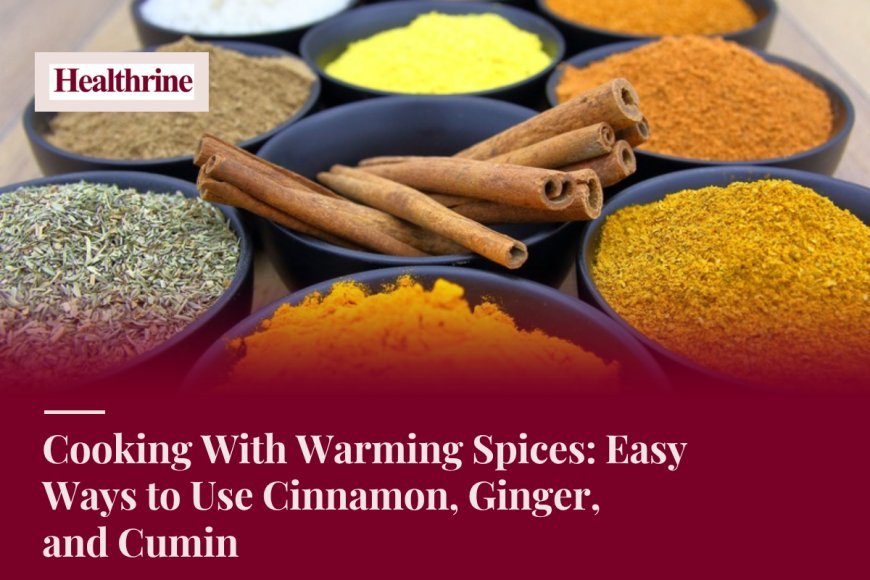
Open a spice drawer in late autumn and three jars tend to be within easy reach: cinnamon, ginger, and cumin. Many cooks own all three and use them in a narrow lane, cinnamon for baking, ginger for a stir-fry now and then, cumin for chili night. Yet these warm spices can do far more on an ordinary weeknight than they are usually asked to.
This guide is about flavor and technique only. It covers how each spice tastes, how to wake it up in the pan, and simple ways to fold it into meals you already cook. There are no claims here about what spices do for your body; the reason to cook with them is that they make food taste deeper, rounder, and more interesting when the weather turns cold.
A quick note on freshness before anything else. Ground spices slowly lose aroma once opened. If a jar smells faint when you open it, it will taste faint in the pot too. Buying smaller amounts more often, storing jars away from the heat of the stove, and writing the opening date on the lid can make a noticeable difference to how vivid your cooking tastes.
Getting to know the three
Cinnamon is sweet-smelling and woody, with a gentle warmth rather than heat. It is familiar in desserts, but it shines in savory food too, especially with tomatoes, lamb, beef, lentils, and roasted squash. A small pinch in a tomato sauce or chili can make the whole dish taste richer without anyone being able to name why.
Ginger brings a bright, peppery warmth. Fresh ginger root is zingy and juicy, while ground ginger is softer, earthier, and a little sweeter. They are not perfect substitutes for each other, so it helps to think of them as two related ingredients. Fresh suits stir-fries, soups, and dressings; ground suits baking, spice rubs, and long-simmered stews.
Cumin is earthy, nutty, and a little smoky. It is the backbone of many dishes from Mexico, India, North Africa, and the Middle East. Whole cumin seeds and ground cumin behave differently: seeds give little pops of flavor when toasted, while ground cumin spreads evenly through a sauce or rub.
Together, the three cover a lot of territory. Cinnamon brings sweetness and depth, ginger brings lift, and cumin brings earthiness. Used in small amounts, they rarely clash, and many classic spice blends include two or all three of them alongside others.
Technique: how to wake spices up
The single most useful technique is blooming: warming spices briefly in hot oil or butter before the other ingredients go in. Many of the flavor compounds in spices dissolve readily in fat, and gentle heat helps release their aroma. Thirty seconds to a minute is usually enough. You will smell the change as soon as it happens.
To bloom, heat a little oil over medium heat, add whole seeds first since they take slightly longer, then ground spices, and stir constantly. As soon as the spices smell fragrant, add onions, garlic, tomatoes, or liquid to stop the cooking. Ground spices can scorch quickly, and scorched spice tastes bitter, so keep the heat moderate and stay at the stove.
Dry toasting is the other key technique, especially for whole cumin seeds. Shake the seeds in a dry pan over medium heat until they darken slightly and smell toasty, then tip them onto a plate to stop cooking. Use them whole, or crush them in a mortar or with the flat of a knife for a fresher-tasting ground cumin.
Timing matters as well. Spices added at the start of cooking mellow and blend into the background. A pinch added at the end tastes brighter and more distinct. Many cooks do both: bloom some spice early for depth, then finish with a little more, or with fresh ginger, just before serving.
Easy ways to use them this week
Roasted vegetables are the simplest place to start. Toss carrots, squash, cauliflower, or sweet potatoes with oil, salt, and a mix of cumin and a small pinch of cinnamon before roasting. The edges caramelize and the spices toast in the oven heat. Finish with a squeeze of lemon or a spoonful of yogurt.
Soups and stews welcome all three. Bloom cumin and ground ginger with onions at the start of a lentil or bean soup, then add a cinnamon stick to the pot as it simmers and remove it before serving. The stick gives a gentle warmth without the dusty texture ground cinnamon can sometimes leave in a broth.
Fresh ginger turns everyday stir-fries and noodle bowls into something lively. Grate it straight into the pan with garlic for the last minute before adding sauce, or stir it into a simple dressing of soy sauce, rice vinegar, and a little honey. A microplane or the fine side of a box grater makes quick work of it, and frozen ginger grates especially easily.
Cumin and cinnamon make a reliable rub for chicken thighs, pork, or chickpeas. Mix ground cumin, a little cinnamon, paprika, salt, and pepper, rub it over the protein with a splash of oil, and roast or pan-cook as usual. The cinnamon is barely noticeable on its own but gives the crust a gentle sweetness that pairs well with the cumin.
Balancing and adjusting
Start with less than you think you need. Warm spices are assertive, and it is easy to add more but impossible to take it back. A quarter teaspoon of cinnamon in a pot of chili for four is plenty to begin with. Taste, then adjust in small steps.
If a dish tastes flat even though you added spice, it may need salt or acid rather than more spice. A pinch of salt or a squeeze of citrus often makes the spices taste more pronounced. If a dish tastes harsh or bitter, a little fat, such as a spoonful of yogurt, a swirl of cream, or a drizzle of olive oil, can round it out.
Pair spices with ingredients that welcome them. Cinnamon loves tomatoes, apples, squash, and lamb. Ginger loves citrus, soy sauce, garlic, carrots, and pears. Cumin loves beans, lentils, cauliflower, lime, and anything smoky. Keeping these pairings in mind makes improvising much easier.
Whole and ground forms can also be swapped with a little care. A cinnamon stick in a simmering pot gives a softer, slower flavor than ground cinnamon stirred in at the end. Toasted cumin seeds give crunch and bursts of flavor, while ground cumin coats every bite evenly. Choosing between them is less about right and wrong and more about the texture and intensity you want.
Building a small warm-spice habit
You do not need a new set of recipes to cook with warm spices. Pick one dish you already make each week and add one spice to it, with the technique that suits it. Bloom cumin in the oil for your usual taco filling. Add a cinnamon stick to the pot of your regular soup. Grate fresh ginger into your stir-fry sauce.
After a few weeks, these small changes add up to a noticeably warmer, more varied winter table, and you will start reaching for the jars without thinking. Warm spices are among the least expensive ways to make home cooking taste special, and in the darker months, that small pleasure at dinner is worth having.
What's Your Reaction?
 Like
0
 Dislike
0
 Love
0
 Funny
0
 Angry
0
 Sad
0
 Wow
0