


















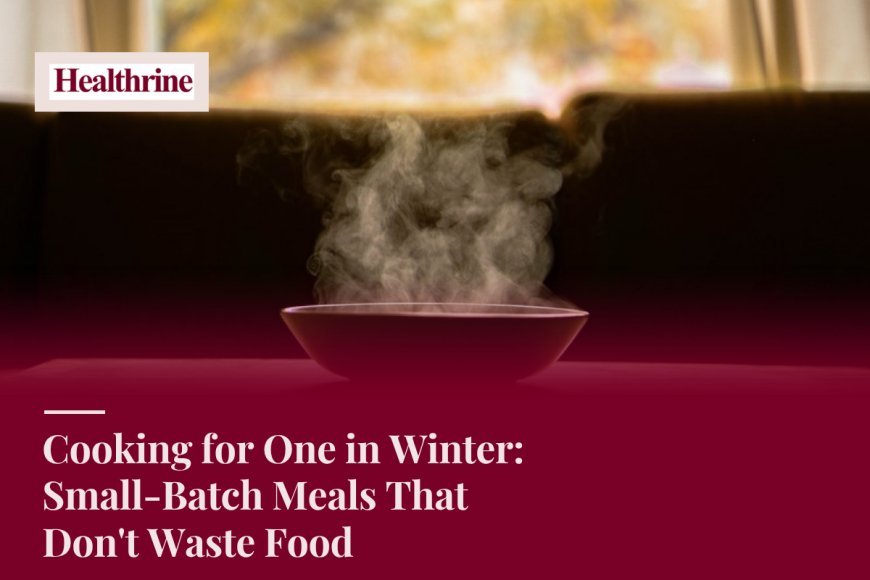
Cooking for One in Winter: Small-Batch Meals That Don't Waste Food
Most recipes quietly assume a crowd. A pot of soup that serves six, a casserole for four, a loaf of bread that needs a household to finish it. If you cook for one, you can scale a recipe down, but you will often end up with an awkward half an onion, a third of a can and a fridge full of odds and ends.
Winter is the season when cooking for yourself can be most satisfying and most tempting to skip. The days are short, the evenings are long, and takeout looks inviting. A little planning can make cooking for one feel less like a reduced version of cooking for a family and more like its own pleasant routine. Here is a small-batch approach built around the freezer and one flexible example.
Small Batches, Planned on Purpose
There are two ways to cook for one. You can make a single portion each time, or you can cook a larger amount and spread it across days. Both have their place, and most people use a mix.
Single portions suit quick dishes: a fried egg on toast, a stir-fry for one, a small pasta. They use fewer ingredients and need less cleanup, and they are easy to adapt to what you are craving.
Larger batches suit dishes that taste better with time or take longer to make, such as soups, stews, chilis, braises, grain bowls and baked pasta. Making four to six portions at once takes only a little more effort than one, and it gives you a few future dinners with almost no work.
A good rule of thumb is to cook in batches of four. That gives you one portion to eat now, one or two for the next few days and a couple for the freezer. It is a size that suits a normal pot and a normal appetite, and it avoids a week of the same meal on repeat.
Some small habits make small-batch cooking easier:
- Buy smaller amounts where you can: single sweet potatoes, loose onions, deli-counter portions, frozen vegetables you can pour out as needed
- Keep a few staples that last, like rice, oats, lentils, canned beans and tomatoes, frozen vegetables and eggs
- Use half of what you open and have a plan for the other half, such as chopping the rest of the onion for tomorrow
- Save a note on your phone with your favorite four-portion recipes, so you do not have to rethink each time
A Sample: Cook Once, Eat Three Ways
Here is one example of how a single pot can turn into three quite different meals. It uses a simple base of beans and vegetables, but you can follow the same pattern with lentils, roasted vegetables, chicken thighs or a grain.
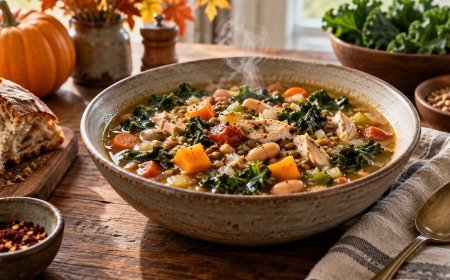
The base. In a large pot, soften a chopped onion and a couple of carrots in a little oil. Add garlic, a spoonful of tomato paste, a can of diced tomatoes, two cans of rinsed white beans, a few handfuls of chopped kale or spinach and enough broth to cover. Season with salt, pepper and herbs, and simmer until everything is soft. You now have four to five portions of a hearty, soup-like stew.
Night one: as a stew. Ladle a bowl and top it with grated cheese or a squeeze of lemon and a piece of toast. This is the simplest version and takes no extra effort.
Night two: over something. Reheat a portion in a pan until it is thicker and spoon it over a baked sweet potato, a bed of rice or a slice of toast with a fried egg on top. The same pot now feels like a different meal.
Night three: in a new shape. Mash a portion roughly with a fork, spread it on a tortilla with a little cheese and fold it into a quesadilla. Or thin it with extra broth, add a handful of pasta and cook it into a more traditional soup. A spoonful of pesto or a pinch of chili flakes changes the character again.
Freezer: the extras. Portion the remaining one or two servings into containers and freeze them for a future night when you are tired and do not want to cook.
The same pattern works for other bases:
- Roasted vegetables: warm on night one, tossed into grains on night two, folded into an omelet or blended into soup on night three
- A pot of chili: in a bowl, over baked potatoes, in a wrap
- Cooked grains: as a side, in a stir-fry, in a breakfast bowl with a fried egg
- Roast chicken thighs: with vegetables, in a salad, in a quick curry or noodle soup
Freezer-Friendly Portions
The freezer is the cook-for-one's best friend, because it lets you store tomorrow's dinner without worrying whether you will fancy it next week.
Foods that freeze well include soups, stews, chilis, cooked beans and lentils, pasta sauces, cooked grains, meatballs, baked pasta and many casseroles. Foods that are better made fresh include crisp salads, fried foods that rely on crunch and anything with a lot of fresh herbs, though you can always add fresh toppings to a thawed meal.
A few tips for freezing in single portions:
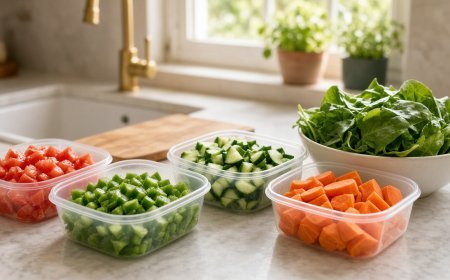
- Cool food quickly before freezing, using shallow containers to speed things up
- Portion into individual servings so you only thaw what you will eat
- Leave a little room at the top of containers for liquids, which expand as they freeze
- Label each container with the name and the date, because frozen things look surprisingly alike
- Freeze soups and sauces flat in zip bags, which stack neatly and thaw quickly
- Move a portion to the refrigerator the night before you want to eat it
Keep a running list on the freezer door of what is inside and when it went in. It can save a surprising amount of wasted food, and it makes it fun to choose a meal on a cold night.
Storage Basics
Cooking in batches is only useful if the food stays safe and pleasant to eat. The USDA's Food Safety and Inspection Service offers some clear guidelines.
- Get food into the refrigerator or freezer within two hours of cooking, or within one hour if the room is hotter than 90 degrees Fahrenheit.
- Use shallow containers so food cools down quickly.
- Keep your refrigerator at 40 degrees Fahrenheit or below and your freezer at 0 degrees Fahrenheit or below. An inexpensive appliance thermometer will let you check.
- Eat refrigerated leftovers within three to four days. If you will not eat a portion in that time, freeze it.
- Frozen food stored at 0 degrees stays safe, though quality can fade over time. The USDA's leftover guidance mentions three to four months for best flavor and texture.
- Reheat leftovers until they reach 165 degrees Fahrenheit, checking with a food thermometer if you can. Bring soups, sauces and gravies to a rolling boil, and cover food while reheating so it heats evenly.
- Once a week, look through the refrigerator and throw out anything that has stayed too long.
If you are ever unsure about something, the safest choice is to leave it out. If you have a health condition or are pregnant, your doctor or pharmacist can answer food-safety questions that are specific to you.
Making It Feel Like a Meal
One more thing separates cooking for one from simply feeding yourself, and it is the sense of occasion. A plate set on a real table, with a napkin and a candle, feels different from standing at the counter. A bowl of leftover stew can be dinner when it is served with a good piece of bread and a few leaves of lettuce dressed with lemon.
On colder evenings, little touches go a long way: warm bowls, a favorite playlist, a podcast or a chat with a friend while the pot simmers. Cooking for one does not mean eating alone in a sad way. It can be a calm, small pleasure, a routine that belongs to you.
Start with one pot this weekend. Make four portions, eat one, plan a second for midweek and freeze the others. In a few weeks, you may have a small collection of dinners waiting in the freezer, and the coldest night of the year will feel a little easier.
What's Your Reaction?
 Like
0
Like
0
 Dislike
0
Dislike
0
 Love
0
Love
0
 Funny
0
Funny
0
 Angry
0
Angry
0
 Sad
0
Sad
0
 Wow
0
Wow
0