



























Food and Water for 72 Hours: Safe Storage, Simple Purification, and Eating Well Without Power
The grocery list on the fridge says milk, bread, apples, coffee. Nothing on it would help much if the tap ran cloudy for a day or the power stayed off through the weekend. That isn't a reason to worry. It is simply a gap that a little planning can close, usually with things you already buy.
Three days is the planning window most emergency agencies use. The UK government's Be Ready checklist, published in October 2026, suggests keeping 3 days of bottled water and non-perishable food. Canada's GetPrepared guidance has long suggested a kit for at least 72 hours, and Ready.gov in the US recommends food and water for several days. Here is a calm, practical way to cover the food and water side, with a focus on keeping it safe and still eating reasonably well.
How Much Water to Keep
Ready.gov's guidance is to store at least one gallon of water per person per day for several days, for drinking and sanitation. For a 72-hour supply, that works out to about three gallons per person. A household of four would aim for roughly 12 gallons, and the American Red Cross uses the same one-gallon-per-day figure.
Ready.gov notes that needs vary. Children, nursing mothers and people who are unwell may need more, and in very hot weather water needs can double. Don't forget pets, either; Ready.gov suggests extra water for them too.
A few storage basics from Ready.gov:
- Commercially bottled water is the simplest option. Keep it sealed in its original container in a cool, dark place.
- If you fill your own containers, use food-grade water storage containers, cleaned and sanitized first.
- Replace water that wasn't commercially bottled every six months.
Ready.gov also advises against rationing drinking water unless authorities tell you to. Drink what you need today.
Simple Ways to Make Water Safe
If stored water runs out and you are unsure about your tap, the first step is to listen to local officials, who will say whether your water is safe. When it isn't, the CDC describes a few options.
Boiling is the method the CDC calls the best way to kill germs in water. If the water is cloudy, filter it through a clean cloth, paper towel or coffee filter, or let it settle, and draw off the clear water. Then bring it to a rolling boil for 1 minute (3 minutes above 6,500 feet), let it cool and store it in clean, covered containers. Pouring it between two clean containers can improve the flat taste.
Disinfecting with bleach is the CDC's backup when you can't boil. Use only unscented household liquid chlorine bleach and check the label; in the US it is typically 5 to 9 percent sodium hypochlorite. For that strength, the CDC suggests 8 drops per gallon of clear water, or 16 drops if the water is cloudy, murky, colored or very cold. Stir well and wait at least 30 minutes before drinking. If the label gives its own instructions for disinfecting drinking water, follow those.
Filters are a third option, but the CDC notes that most portable filters do not remove bacteria or viruses, so filtered water might need another step, such as boiling or disinfecting. Choose one labeled to remove parasites and follow the maker's instructions.
One important limit: the CDC says water with fuel or toxic chemicals cannot be made safe by boiling, disinfecting or filtering. In that case, use bottled water and contact your health department.
Building a No-Cook Food Shelf
The best emergency food is food your household already likes. The UK checklist puts it simply: it's best to buy food you'd usually eat. Ready.gov suggests at least a several-day supply of non-perishable food.
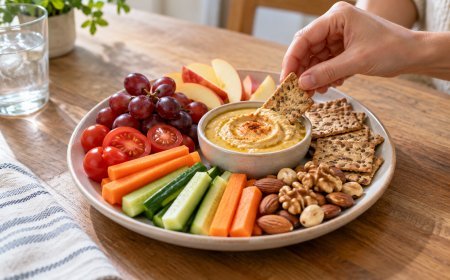
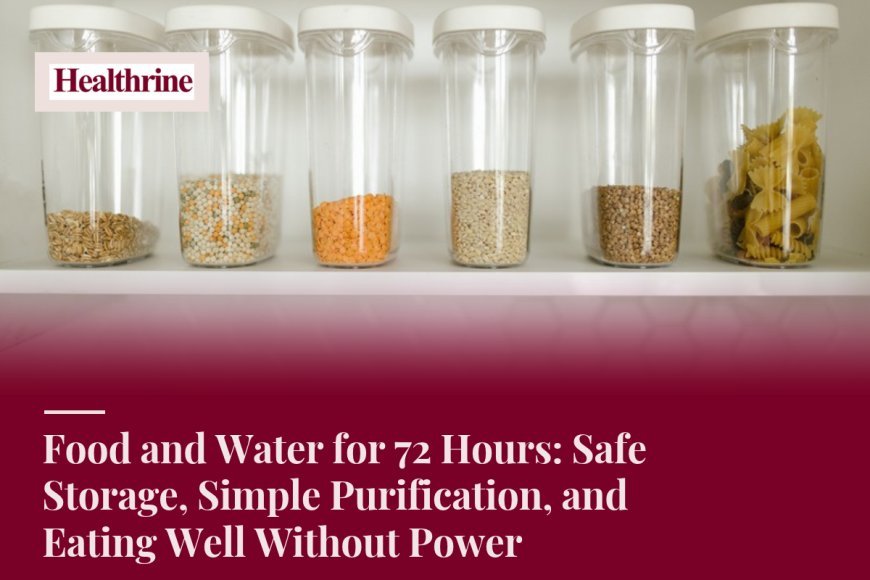
Look for items that need no refrigeration, little or no cooking, and not much water to prepare. Many families mix and match:
- Canned beans, lentils, tuna, salmon or chicken
- Canned or shelf-stable fruit in juice, and canned vegetables
- Peanut butter or other nut and seed butters
- Whole-grain crackers, rice cakes or shelf-stable bread
- Unsalted nuts, seeds, dried fruit and trail mix
- Ready-to-eat cereal and shelf-stable milk or plant-based milk
- Granola or cereal bars
Since many canned foods are salty, rinsing beans or choosing lower-sodium versions can help, especially since water is limited. Add a manual can opener, which Ready.gov lists for any kit with canned food. Paper plates, cups and plastic utensils save precious water that would otherwise go to washing dishes.
Rotate, Don't Hoard
You don't need a separate stockpile that sits untouched for years. A rotating shelf works better and costs less. When you buy a can of beans for this week's chili, put the new can at the back and use the older one first. Ready.gov suggests keeping canned food in a cool, dry place and storing boxed food in tightly closed plastic or metal containers.
The UK checklist recommends building your supply gradually, adding an item or two during regular shopping trips to spread the cost, and setting a reminder every six months to check dates. If you are already building a winter pantry for quick weeknight meals, many of the same items can double as your three-day shelf.
Food Safety When the Power Is Out
The fridge and freezer are where outage food safety matters most. According to the USDA guidance shared on FoodSafety.gov:
- A refrigerator keeps food safe for up to 4 hours during a power outage if the door stays closed as much as possible.
- A full freezer holds a safe temperature for about 48 hours, or about 24 hours if it is half full and the door stays closed.
- Refrigerated perishable food such as meat, poultry, fish, eggs and leftovers should be thrown out after 4 hours without power.
- Frozen food can be refrozen if it still has ice crystals or is at 40 degrees Fahrenheit or below, though quality may suffer.
FoodSafety.gov is firm on one point: never taste food to decide whether it is safe. When in doubt, throw it out. A plan many households use is to eat perishables from the fridge first, then the freezer, and save the shelf-stable supply for last.
Planning for Your Household's Own Needs
Every household is different, and a three-day food plan should fit the people in it. This is where a short conversation with your own doctor, dietitian or pharmacist is worth more than any general list.
- If someone in your home manages diabetes, follows a kidney-friendly eating plan or has other specific dietary guidance, ask their care team which shelf-stable foods and drinks fit that plan and how to handle meal timing in an outage.
- For food allergies, stock only foods everyone can safely eat, and keep ingredient labels on hand.
- During pregnancy, it's reasonable to ask a provider about any food or water precautions that apply.
- For babies, the UK checklist suggests ready-to-feed formula, since safe water for mixing may be scarce, and FoodSafety.gov lists opened formula among the items to discard after an outage. A pediatrician can help you plan the details.
- Older adults may prefer foods that are soft, easy to open and familiar.
Write any special needs on your kit list so they aren't overlooked when you restock.
If all of this feels like a lot, start small this week: buy one case of bottled water per person, add a few cans of beans and fruit to your next order, and put a manual can opener in the kitchen drawer. That covers a surprising share of a three-day plan.
This article is general information. For nutrition guidance specific to your health or your family, please check with your doctor or a registered dietitian.
What's Your Reaction?
 Like
0
 Dislike
0
 Love
0
 Funny
0
 Angry
0
 Sad
0
 Wow
0