
















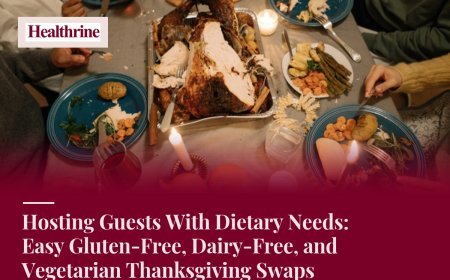







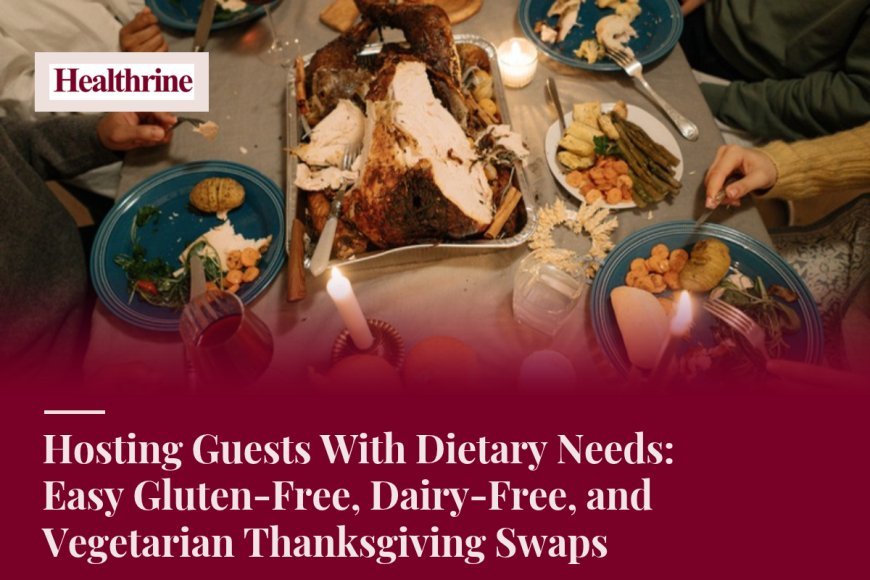
Hosting Guests With Dietary Needs: Easy Gluten-Free, Dairy-Free, and Vegetarian Thanksgiving Swaps
The text usually arrives about ten days before Thanksgiving. "Hey, just a heads up, I'm eating gluten-free now." An hour later your sister adds that her new boyfriend is vegetarian, and your nephew still can't have dairy. Suddenly the menu you have made the same way for fifteen years feels like a puzzle with missing pieces.
Here is the good news: you do not need to cook three separate dinners. With a little planning, most of the table can work for nearly everyone, and the guests with dietary needs get to eat like part of the family instead of picking around the edges. This guide walks through the questions to ask, the swaps that tend to work best, and the kitchen habits that keep everyone's plate the way it should be.
Ask Early, Ask Specifically
"Any food restrictions?" is a fine start, but it often gets a vague answer. A few more specific questions save a lot of guesswork later:
- Is this a preference, or something that makes you feel unwell even in small amounts?
- Do you need a dish to be fully free of an ingredient, or just mostly?
- Are there brands or products you trust that I could pick up?
- Would you like to bring a dish you know works for you?
That first question matters most. Someone who avoids gluten because of a medical condition may need a level of care in the kitchen that someone cutting back on bread does not. Food allergies are a separate, serious category. The FDA lists nine major food allergens in the U.S.: milk, eggs, fish, crustacean shellfish, tree nuts, peanuts, wheat, soybeans, and sesame. If a guest mentions any of these as an allergy, ask them directly what keeps them comfortable, and never guess.
Most people with dietary needs are used to these conversations and are relieved when a host asks. A quick phone call two weeks out is far easier than a scramble on Thursday morning.
Build a Menu That Works for Most People by Default
The simplest approach is to make the majority of dishes naturally free of the most common restrictions, then keep just one or two dishes "classic." That way you are not labeling half the table as special food.
Plenty of Thanksgiving staples already fit the bill, or come close:
- Roasted vegetables like Brussels sprouts, carrots, and butternut squash tossed in olive oil
- Baked sweet potatoes or a mashed sweet potato dish made with olive oil instead of butter
- Cranberry sauce, which is usually just cranberries, sugar, and water or juice
- A big green salad with apples, toasted pecans, and a simple vinaigrette
- Wild rice pilaf with mushrooms and herbs
- Plain roast turkey, seasoned with herbs, salt, and oil
Once you have a solid base like this, you only need to think about the handful of dishes that usually contain wheat, dairy, or meat: stuffing, gravy, mashed potatoes, green bean casserole, rolls, and dessert.
It also helps to write the full menu down, then mark each dish with the guests it already works for. Seeing it on paper makes the gaps obvious. You might find that only two dishes need a second version, which is a much calmer place to start than "everything has to change." Share the list with your guests a few days ahead so they know what to expect and can tell you if something looks off.
Gluten-Free Swaps That Don't Feel Like a Compromise
Gluten shows up in the places you would expect, like rolls, pie crust, and stuffing, and in a few places you might not, like gravy, store-bought broth, and some seasoning blends. A few swaps cover most of the menu:
- Gravy: Thicken pan drippings with cornstarch or sweet rice flour instead of wheat flour. Stir the starch into cold water first so it does not clump.
- Stuffing: Use a gluten-free bread, cubed and dried in the oven, or skip bread altogether and build a wild rice and mushroom dressing.
- Green bean casserole: Make a simple sauce with gluten-free broth and cornstarch, and top it with crushed gluten-free crackers or toasted sliced almonds instead of fried onions.
- Dessert: A crustless pumpkin custard baked in ramekins, or a fruit crisp topped with gluten-free oats, nuts, and butter or a plant-based spread.
Read labels on broth, bouillon, spice mixes, and anything processed. In the U.S., "gluten-free" on a package is a voluntary claim, but the FDA has set a defined standard foods must meet to use it, which makes labeled products a helpful shortcut. Plain oats can pick up wheat during growing and processing, so look for oats specifically labeled gluten-free.
Dairy-Free Swaps for the Classic Sides
Dairy tends to hide in the comfort dishes: mashed potatoes, casseroles, rolls brushed with butter, and creamy pies. These swaps usually go unnoticed by everyone else at the table:
- Mashed potatoes: Use warm unsweetened oat milk or the potato cooking water, plus olive oil or a plant-based butter, and plenty of roasted garlic and salt.
- Creamy casseroles: Blend soaked cashews with broth for a rich sauce, or use canned coconut milk in sweet potato dishes where a little coconut flavor fits.
- Rolls and stuffing: Brush with olive oil instead of butter, and check bread labels for milk ingredients.
- Pumpkin pie: Full-fat coconut milk works well in place of evaporated milk in most recipes.
If a guest has a milk allergy rather than lactose concerns, keep their portion fully separate, and check with them about any packaged substitute before you buy it.
Making Vegetarian Guests Feel Like Part of the Main Event
A vegetarian guest who fills up on rolls and salad has technically eaten, but they have not really been hosted. A satisfying centerpiece makes a big difference, and it does not have to be complicated:
- A whole roasted stuffed squash, filled with wild rice, cranberries, pecans, and herbs
- A mushroom and lentil shepherd's pie topped with mashed potatoes
- A tray of roasted vegetables and white beans with a bright herb sauce
Cook stuffing outside the bird and use vegetable broth in the gravy, stuffing, and sides so vegetarian guests can enjoy them too. Many meat eaters will happily take a scoop of the vegetarian main as well, so make more than you think you need. If you are short on oven space, a slow cooker on the counter can keep a lentil or bean dish warm for hours, and it frees up the oven for the turkey and pies.
Kitchen Habits That Keep Everyone's Plate Safe
The best swaps in the world do not help much if a serving spoon wanders from the regular stuffing into the gluten-free one. The FDA uses the term cross-contact for when an allergen gets into a food by accident, and at home it usually happens through shared tools and surfaces. A few simple habits go a long way:
- Cook the special dishes first, cover them, and set them aside before the flour and butter come out.
- Give each dish its own serving spoon, and keep similar-looking dishes at opposite ends of the table.
- Make small labels or tent cards: "Gluten-free," "Dairy-free," "Vegetarian." Guests appreciate not having to ask about every bowl.
- Let guests with the strictest needs serve themselves first, before the spoons get mixed up.
- Keep the packaging of any store-bought items until after dinner so guests can check ingredients if they want.
And remember that you are allowed to accept help. Many guests would rather bring a dish they trust than worry about someone else's kitchen. Saying yes to that offer is not a failure of hospitality. It is good hosting.
When the plates are passed and everyone can actually eat what is in front of them, the extra planning fades into the background. What people remember is that you thought of them, and that there was room at the table for exactly the way they eat.
What's Your Reaction?
 Like
0
 Dislike
0
 Love
0
 Funny
0
 Angry
0
 Sad
0
 Wow
0