



























The Sunday Ingredient Prep Routine That Is Easier Than Full Meal Prep
Full meal prep has a loyal fan club and a quiet dropout rate. The photos look calm: stacked containers, labeled lids, a week already decided. Real Sundays often look different. You are tired, the fridge is crowded, and the idea of cooking five complete dinners in advance feels like a second job. Sunday ingredient prep is the gentler cousin that still makes weeknights easier.
This piece explains an ingredient-first routine for Nutrition and Weight Loss readers in the Healthrine lifestyle sense. It is grocery-store food on a Tuesday made easier by Sunday groundwork. It is not a diet clinic, not a calorie prescription, and not a demand that every lunch look identical in a photo grid.
Why Full Meal Prep Feels Heavier Than It Sounds
Cooking everything ahead asks for time, energy, container space, and a willingness to eat the same flavors for days. Some people love it. Many people start strong in January and abandon it by the second soggy Thursday. The failure is often the format, not the person.
Ingredient prep keeps the win and drops the burden. You wash, chop, cook a couple of flexible bases, and portion a few ready pieces. Weeknight you still does a little cooking, but the annoying early steps are already done. Dinner becomes assembly plus heat, not a from-scratch mountain.
What Sunday Ingredient Prep Is and Is Not
It is a short kitchen session, often forty-five to ninety minutes, focused on components. It is not twelve identical chicken-and-broccoli boxes unless you truly want that. It is not a moral ranking of meal prep purity. It is infrastructure for ordinary evenings when attention is low and hunger is high.
Done well, ingredient prep supports variety. Rice can become a bowl one night and fried-rice-ish leftovers the next. Chopped vegetables can join eggs, tacos, or pasta. A cooked protein can shift sauces and sides so the week does not taste like a loop of the same plate.
A Simple Sunday Session You Can Repeat
Keep a repeating agenda so you do not invent a new plan every weekend. Start with a quick fridge check, then work in this order so the sink and stove stay manageable.
- Clear and wipe a workspace, then pull out containers you will actually reuse
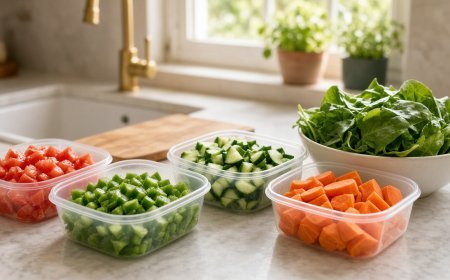
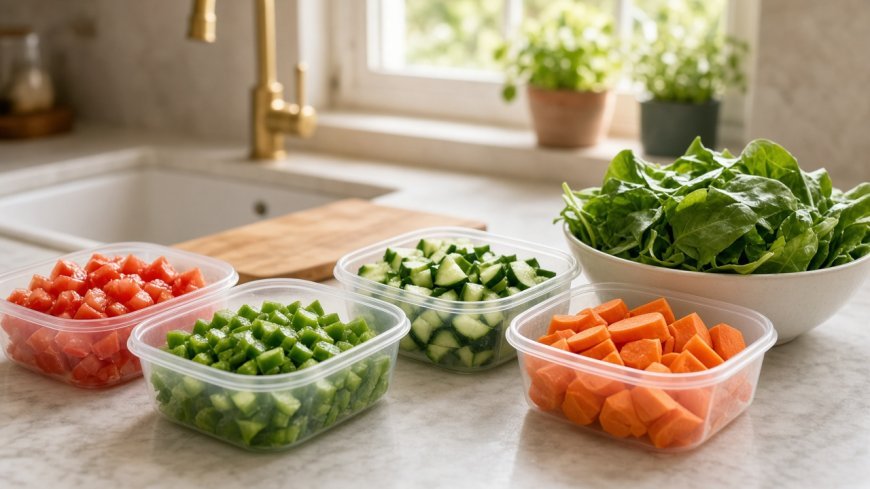
- Wash sturdy produce and chop what benefits from advance cutting
- Cook one versatile carbohydrate: rice, quinoa, potatoes, or a pot of pasta for the early week
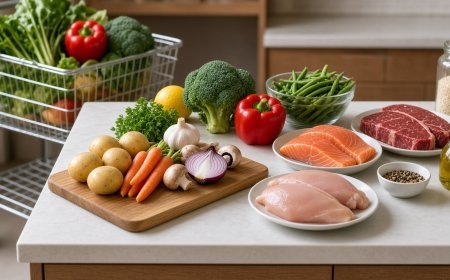
- Cook or prep one or two proteins: a tray of roasted chicken, a pot of beans, hard-boiled eggs, tofu
- Mix or open one sauce or flavor base you love so plain food has somewhere to go
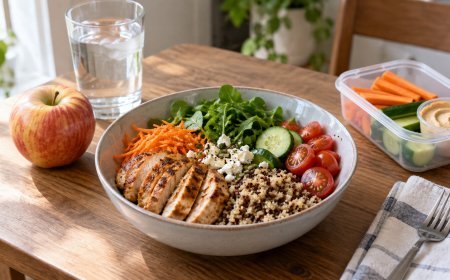
- Portion fruit, yogurt, or snack plates if mornings are chaotic in your house
Stop while you still have energy. Over-prepping is how Sundays turn resentful. A partial session still beats a heroic one you dread repeating.
Components That Pull More Than Their Weight
Some ingredients repay prep time better than others. Leafy herbs wilt. Crispy foods go sad. Sturdy vegetables, cooked grains, beans, eggs, and roasted vegetables tend to keep their usefulness. Bagged salad can stay unopened until the night you need it. Garlic can be minced ahead if that removes a weeknight friction point for you.
- Chopped onions, peppers, and carrots for fast sautes
- A cooked grain that reheats without drama
- A protein batch that can change costumes with different sauces
- Washed fruit in easy reach for grab-and-go mornings
- One comfort component, like meatballs or a soup base, for a low-energy night
Match Prep to Your Three Default Dinners
Ingredient prep works best when it feeds defaults you already chose. If taco night, bowl night, and egg skillet night are your anchors, prep tortillas-ready fillings, a grain, and chopped vegetables that serve all three. Do not prep random gourmet projects that have no home in your real week.
Write the three defaults on a note before you start chopping. Shopping and prep should point at the same targets. Otherwise you create beautiful components that still leave you confused at 6:45.
Time Boxes, Music, and Stopping Rules
Give the session a start and an end. Set a timer for sixty minutes if open-ended kitchen time tends to swallow your afternoon. Play music or a light show in the background if silence makes the work feel longer. Invite a partner or older kid to handle one station if that helps, but keep ownership clear so the session does not become a committee meeting.
Stopping rules protect the habit. When the timer ends, label what you finished, load the dishwasher, and leave. Unfinished chopping can wait for a Wednesday mini-session. A sustainable Sunday beats a perfect one.
Storage Habits That Prevent Mystery Containers
Clear containers help because you can see what you own. Labels with the day or contents help more when the fridge is crowded. Park ready components at eye level. Hide the condiments behind them if needed. Weeknight you will grab what you see first.
Cool hot food before sealing when that matches how you safely handle leftovers in your kitchen. Keep raw and cooked items thoughtfully separated. This is home practice, not a food-safety lecture, but basic care keeps the prep useful instead of stressful.
When the Week Goes Sideways
Travel, late meetings, and sick days will strand some components. Freeze what freezes well. Turn lonely rice into breakfast with an egg. Invite takeout without guilt and use one prepped vegetable as a side so the homemade thread stays alive. The point of prep is support, not a scoreboard of homemade purity.
If you miss a Sunday entirely, do a twenty-minute Monday night mini-prep: wash fruit, hard-boil eggs, cook a small pot of grains. Small recoveries keep the identity intact.
Solo Cooks, Families, and Tiny Kitchens
Cooking for one does not make ingredient prep pointless. It makes portion discipline more important. Cook a pot of grains and freeze half in flat bags. Roast a tray of vegetables and plan two different sauces across the week. Hard-boil four eggs instead of a dozen if that matches your pace. The routine shrinks; the logic stays.
Families can turn prep into stations: one person handles washing, another packs lunches, another manages the stove. Keep the session playful enough that it does not become a Sunday fight. Tiny kitchens benefit from doing fewer components well and using sheet pans that double as storage once cooled and transferred.
If Sundays are sacred rest in your household, shift the session to Saturday late morning or Monday evening. The calendar label matters less than having a repeating ingredient reset before the loudest weeknights arrive.
What This Is Not
This is not a weight-loss clinic meal plan, not a detox, and not a claim that prepping ingredients will change your body on a schedule. It is not a ban on takeout or on cooking from scratch when you feel like it. It is a lighter Sunday routine that makes grocery-store weeknight meals easier to finish.
If you have personal nutrition questions, talk with a qualified professional who knows your situation. This article stays with kitchen logistics on purpose.
Bottom Line
Sunday ingredient prep is easier than full meal prep because it prepares building blocks instead of forcing a week of identical boxed dinners. Wash, chop, cook a grain, prep a protein, and set out a flavor builder. Tie everything to a few default meals you already like.
This weekend, set a sixty-minute timer and prep only the components for three dinners. Notice whether Tuesday feels less like starting from zero. That single lighter session is enough to begin.
What's Your Reaction?
 Like
0
Like
0
 Dislike
0
Dislike
0
 Love
0
Love
0
 Funny
0
Funny
0
 Angry
0
Angry
0
 Sad
0
Sad
0
 Wow
0
Wow
0