




























Stocking a Winter Pantry for Quick Healthy Meals
On a dark, sleety evening, the gap between "I should make something decent" and "I will order takeout" is often just one missing ingredient. A well-stocked winter pantry closes that gap. When the shelves hold the right building blocks, a warm, balanced meal can come together in twenty minutes with no trip to the store.
This is not a guide to small-batch cooking or meal prep. It is a stocking list: what to keep on hand through the cold months, how to store it so it stays good, and a handful of simple combinations that turn three or four pantry items into dinner. Think of it as setting up your kitchen so that the easy choice and the nourishing choice are the same one.
Before buying anything, take ten minutes to look at what you already have. Pull everything out of one cupboard, check dates and condition, and group like with like. Most people find a few forgotten cans, two open bags of the same pasta, and a spice or two they did not know they owned. Start from there.
The core shelf: grains, beans, and cans
Grains are the base of most quick pantry meals. A good winter mix includes one quick-cooking grain such as couscous or quick oats, one sturdy everyday grain such as brown rice or pasta, and one or two whole grains you enjoy, like barley, farro, or quinoa. Whole-grain pasta and instant brown rice are handy shortcuts on busy nights.
Canned and dried beans earn their space many times over. Chickpeas, black beans, white beans, and lentils cover soups, stews, salads, and tacos. Canned beans are ready in minutes; a quick rinse in a strainer is a simple step many people like before using them. Dried red lentils are worth keeping too, since they cook in about twenty minutes without soaking.
Canned tomatoes are the pantry's workhorse. Keep whole or diced tomatoes, a jar or tube of tomato paste, and perhaps a carton of passata. Add canned fish such as tuna, salmon, or sardines, and lower-sodium broth in cartons or as a concentrate. With these, you have the start of dozens of dinners.
According to USDA food safety guidance, high-acid canned foods such as tomatoes and fruit can generally be stored unopened for 12 to 18 months, while low-acid canned foods such as beans, vegetables, meat, and fish keep 2 to 5 years if the can stays in good condition. USDA also advises discarding cans that are dented, leaking, bulging, or rusted.
Freezer and fridge allies
A winter pantry works best with a little help from the freezer. Frozen vegetables such as spinach, peas, green beans, broccoli, and mixed stir-fry blends are picked and frozen quickly, keep for months, and go straight into the pan. They make it easy to follow the MyPlate idea of filling half the plate with fruits and vegetables, even when fresh produce is thin on the ground.
Frozen fruit is equally useful for oatmeal, yogurt bowls, and quick compotes. Frozen fish fillets, shrimp, and chicken thighs can be portioned and cooked straight from frozen or thawed overnight in the fridge. A bag of frozen cooked brown rice or other grains is another shortcut many people appreciate on tired evenings.
In the fridge, a few long-lasting staples round things out: eggs, plain yogurt, a hard cheese like Parmesan, lemons, and a jar of something punchy, such as olives, capers, pesto, or chili paste. These keep for a good while and add protein, brightness, or depth with very little effort.
Hardy produce belongs here too, even if it lives in a basket rather than the fridge. Onions, garlic, potatoes, sweet potatoes, carrots, cabbage, and winter squash last for weeks in a cool, dark spot. They form the fresh backbone of many cold-weather meals.
Flavor builders that do the heavy lifting
Plain pantry ingredients become a meal through flavor. A small, well-chosen set of seasonings makes far more difference than a large collection you never use. Good olive oil and a neutral oil, a couple of vinegars, soy sauce, mustard, and a jar of honey cover most needs.
For spices, start with the ones you will reach for: black pepper, cumin, smoked paprika, chili flakes, dried oregano or thyme, and cinnamon. Add curry powder or a spice blend you enjoy. Store everything away from the stove's heat so flavors stay vivid for longer.
Nuts, seeds, and nut butters add crunch and richness. Toasted walnuts on a grain bowl, a spoonful of tahini whisked into a dressing, or peanut butter stirred into a noodle sauce can transform a plain dish. Store opened nuts and seeds in a cool place or the fridge, since they keep best away from warmth.
Store it so it stays good
USDA guidance is to keep canned and shelf-stable foods in a cool, clean, dry place, and to avoid storing them above or beside the stove, under the sink, or in a damp garage or basement. A pantry cupboard away from heat sources is ideal.
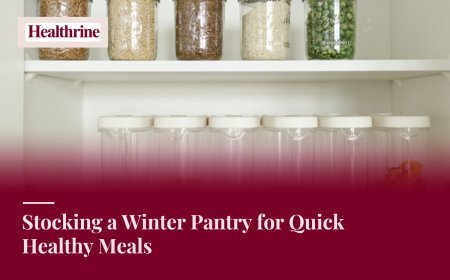
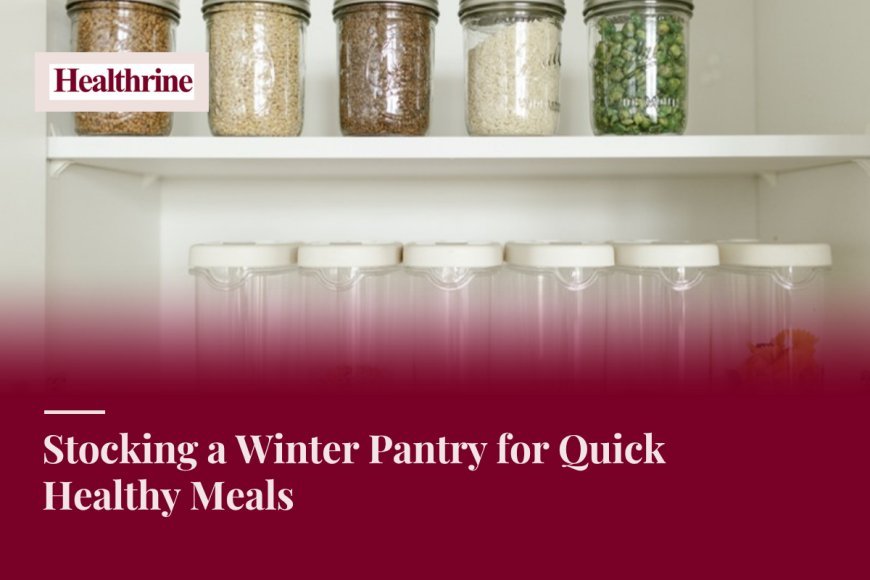
Use a simple first-in, first-out system. When you bring home new cans or packets, put them at the back and move older ones to the front. Clear containers for grains, lentils, and pasta make it easy to see when you are running low, and a strip of masking tape with the date you opened a bag takes seconds.
Keep a running list on the inside of the cupboard door or on your phone. When you open the last can of tomatoes or the final bag of lentils, add it to the list right away. A restock list that updates itself as you cook saves both money and that familiar mid-recipe surprise.
Three-ingredient dinners from the shelf
Once the shelves are stocked, quick meals become a matter of combining. A can of chickpeas, a can of tomatoes, and a bag of frozen spinach, simmered with garlic and cumin for fifteen minutes, make a hearty stew. Serve it over couscous or with toast and a spoonful of yogurt.
Pasta, canned tuna, and frozen peas make a classic. Cook the pasta, adding the peas for the last two minutes, then toss with the tuna, olive oil, lemon, black pepper, and a little Parmesan. It is on the table in the time it takes the water to boil and the pasta to cook.
Red lentils, broth, and canned tomatoes become a velvety soup in about twenty-five minutes. Soften an onion, bloom a spoonful of curry powder, add the rest, and simmer until the lentils fall apart. A squeeze of lemon at the end brightens everything.
Black beans, rice, and a jar of salsa make an instant burrito bowl. Warm the beans with cumin, spoon them over rice, add salsa and any frozen corn or peppers you have, and top with a fried egg or a dollop of yogurt.
Keep it simple and seasonal
A winter pantry does not need to be large to be useful. A modest, well-chosen set of staples that you actually eat is far better than an overflowing cupboard of good intentions. Start with the core shelf, add freezer helpers and flavor builders, and adjust based on what you find yourself cooking.
By midwinter, you will likely know which items earn their place and which can go. The goal is simple: on the coldest, darkest evenings, opening the cupboard should feel less like a problem and more like a quiet promise that dinner is already mostly there.
What's Your Reaction?
 Like
0
 Dislike
0
 Love
0
 Funny
0
 Angry
0
 Sad
0
 Wow
0