





























Sweet Potatoes Beyond the Casserole: Simple Sides and Breakfasts
Every November, sweet potatoes seem to show up in American kitchens for exactly one job: a casserole topped with a golden layer of marshmallows. Then the leftover bag rolls around the bottom of the pantry until someone finds a few sprouting spuds in January and wonders where the time went.
That is a shame, because sweet potatoes are one of the most flexible, budget-friendly vegetables of the cold months. They roast beautifully, mash in minutes, and work in sweet or savory dishes from breakfast through dinner. According to USDA SNAP-Ed, fall and winter are sweet potato season, and you can find them fresh, frozen, or canned year round. Here is how to pick them, cook a batch, and keep them on your table long after the Thanksgiving dishes are put away.
Picking and Storing Sweet Potatoes
Most U.S. grocery stores carry a few kinds. The familiar orange-fleshed varieties are often labeled "yams" in American stores, even though true yams are a different plant. USDA SNAP-Ed notes that the two names are used interchangeably here, so don't let the sign confuse you. You may also see white- or purple-fleshed sweet potatoes, which tend to be a little drier and less sweet.
When you shop, look for sweet potatoes that are:
- Firm, with no soft or wrinkled spots
- Smooth-skinned, without deep cracks or bruises
- Similar in size, if you plan to roast them whole, so they cook evenly
Storage is where many people go wrong. Raw sweet potatoes keep best in a cool, dry, dark spot like a pantry shelf or a basket in a closet, not in the refrigerator. USDA guidance lists sweet potatoes among the produce that should not be refrigerated, and SNAP-Ed suggests they can keep for up to a month in a cool, dry place. Once they are cooked, store them in the fridge in a covered container and use them within a few days.
Nutrition-wise, sweet potatoes count toward the red and orange vegetable subgroup on USDA's MyPlate, along with carrots, pumpkin, and red peppers. Eating them with the skin on also keeps more fiber on your plate. Just give the skins a good scrub under cool running water with a vegetable brush before cooking, and trim away any dark spots or sprouts. A bag of medium sweet potatoes often costs only a few dollars, which makes them an easy win for a family grocery budget.
Three Easy Ways to Cook a Batch
Cooking a few sweet potatoes at once on a Sunday makes weeknight meals much faster. Pick whichever method fits your schedule:
- Roast them whole. Scrub the sweet potatoes, poke each one a few times with a fork, and set them on a foil-lined sheet pan. Bake at 400°F for about 45 to 60 minutes, until a knife slides in easily. The sugars caramelize and sometimes bubble out onto the pan, which is a good sign.
- Roast them in cubes. Peel or leave the skin on, cut into 1-inch cubes, toss with olive oil and salt, and spread on a sheet pan without crowding. Roast at 425°F for 25 to 35 minutes, flipping once, until browned at the edges.
- Microwave for speed. Poke a scrubbed sweet potato several times, set it on a microwave-safe plate, and cook for about 5 to 8 minutes, turning halfway through, until soft. Microwave power varies, so check with a fork.
Whole roasted sweet potatoes keep well in the fridge and can be reheated, mashed, or sliced for almost any of the ideas below.
Weeknight Sides Beyond Marshmallows
Sweet potatoes do not need brown sugar and marshmallows to shine. Their natural sweetness pairs beautifully with salty, spicy, and tangy flavors.
Try a few of these simple sides:
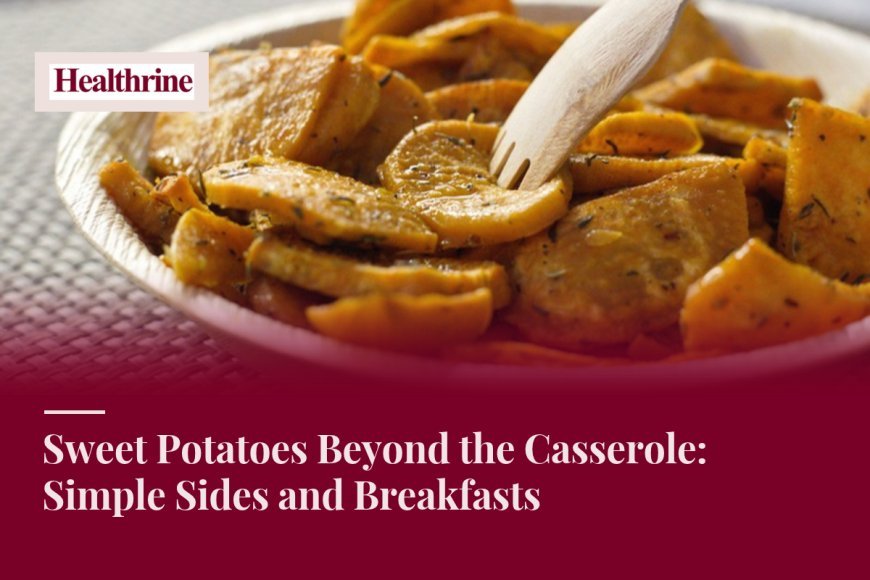
- Chili-lime wedges: Toss wedges with olive oil, chili powder, and salt, roast until crisp at the edges, and squeeze fresh lime over the top.
- Garlic and herb mash: Mash cooked sweet potatoes with olive oil or butter, roasted garlic, salt, and fresh thyme or sage.
- Sweet potato and black bean skillet: Sauté diced sweet potato with onion and cumin until tender, then stir in canned black beans and a handful of spinach.
- Maple-mustard cubes: Roast cubes, then toss with a spoonful of maple syrup whisked into Dijon mustard.
- Stuffed sweet potatoes: Split roasted sweet potatoes and fill them with leftover chili, turkey and cranberry sauce, or sautéed greens and feta for an easy dinner.
Sweet potatoes also slip easily into soups, grain bowls, tacos, and sheet-pan dinners with chicken or sausage. Because they hold up well to strong spices, they are a natural fit for Southern, Mexican, Caribbean, and Indian flavors.
Sweet Potatoes for Breakfast
This is where sweet potatoes really surprise people. Cooked and mashed, they behave a lot like pumpkin, which means they fit right into cozy cold-weather breakfasts.
A few ideas for chilly mornings:
- Sweet potato toast: Cut lengthwise into slices about a quarter inch thick, toast them in a toaster or oven until tender, and top with peanut butter and banana, or avocado and an egg.
- Breakfast hash: Sauté diced cooked sweet potato with onions, peppers, and crumbled breakfast sausage or black beans, then top with a fried egg.
- Oatmeal swirl: Stir a few spoonfuls of mashed sweet potato into hot oatmeal with cinnamon, a splash of milk, and chopped pecans.
- Pancakes or waffles: Add about half a cup of mashed sweet potato to your usual batter, plus a pinch of cinnamon and nutmeg.
- Yogurt bowl: Layer plain yogurt with cold mashed sweet potato, a drizzle of maple syrup, and granola for a pumpkin-pie-style breakfast.
Leftover roasted cubes reheat quickly in a skillet, so a batch cooked on Sunday can carry you through several weekday breakfasts.
Getting Kids (and Skeptics) on Board
Some people, kids especially, have only ever met sweet potatoes in their sweetest casserole form, so a savory version can feel like a surprise. A few low-pressure ways to win them over:
- Let them help. Kids can scrub sweet potatoes in the sink, toss cubes with oil and seasoning, or sprinkle cinnamon on breakfast toast. People are often more curious about food they helped make.
- Start with fries. Thin oven fries, tossed with a little oil and salt and roasted until crisp at the edges, are an easy first step for skeptics.
- Blend them in. Mashed sweet potato disappears into mac and cheese sauce, quesadillas, and smoothies, adding color and body without taking over.
- Serve a dip on the side. Ketchup, ranch, honey mustard, or a yogurt dip can make a new vegetable feel familiar.
Offer small portions alongside foods they already like, and keep the mood relaxed. It can take several tries before someone decides they like a new food, and that is perfectly normal.
Make-Ahead Ideas for a Busy Week
Once you get in the habit of keeping cooked sweet potatoes on hand, they become one of those quiet helpers that make weekday cooking easier. A little prep goes a long way:
- Roast a big pan of cubes on Sunday to add to salads, bowls, and lunches through Wednesday.
- Mash a few and portion them into containers for quick sides or breakfast add-ins.
- Freeze cooked, mashed sweet potato in freezer bags, pressed flat, for future soups or baking projects.
- Keep a can of plain sweet potato puree in the pantry for last-minute muffins or pancakes. Look for labels without added sugar or syrup if you want more control over sweetness.
When the holiday leftovers are finally gone, consider buying a few extra sweet potatoes the next time you shop. Kept in a cool, dark place, they will be ready whenever you want a side dish that comes together with almost no effort. Somewhere between the chili-lime wedges and the Saturday pancakes, you might find that the casserole becomes just one of many ways your family enjoys them.
What's Your Reaction?
 Like
0
 Dislike
0
 Love
0
 Funny
0
 Angry
0
 Sad
0
 Wow
0