



























Your Winter Wellbeing Plan: Light, Movement, Connection, and Rest
Light. Movement. Connection. Rest. If you remember only those four words, you already have the outline of a winter that feels a little gentler. Shorter days and colder weather change the shape of our routines, often without our noticing. We go outside less, move less, see friends less, and sometimes sleep in patterns that don't quite fit the season.
This guide is a flexible plan, not a list of rules. Each of the four pillars has a few small actions to choose from. Pick one or two per pillar, try them for a couple of weeks, and keep what helps. The goal is not a perfect winter. It is a winter with a few reliable bright spots.
Winter tends to nudge people into a quieter rhythm, and that is not always a bad thing. Many people also notice that their mood and energy dip when days get shorter. The National Institute of Mental Health (NIMH) notes that many people feel "down" or have the "winter blues" when daylight hours shrink in fall and winter, and feel better when longer days return. In other words, if winter feels a little heavier, you are far from alone.
A small plan makes it easier to meet that season halfway. Think of it as setting up a few easy handholds, so you do not have to rely on motivation on dark mornings.
Pillar One: Light
Daylight can feel scarce from November on, so the idea is to catch whatever you can, on purpose.
- Open the blinds first thing. Before you check your phone, let daylight into the room you are in.
- Take a short walk outside, even on gray days. Outdoor light is usually much brighter than typical indoor lighting, even when it is cloudy. Ten minutes at lunchtime, a loop around the block after breakfast, or walking one stop farther before you catch the bus all count.
- Move your seat toward a window. If you work at a desk, a spot near natural light can make long days feel less closed in.
- Warm up your evenings. Softer, warmer lamps in the evening, rather than bright overheads, can help the space feel cozy and signal that the day is winding down.
Pick the one that sounds easiest. If it works, it will probably become a habit.
Pillar Two: Movement
Cold weather can quietly trim your activity. The CDC's guidance for adults is about 150 minutes of moderate-intensity activity a week, such as 30 minutes on five days, plus muscle-strengthening on two or more days, and it adds that you can spread it out or break it into smaller chunks. It also reminds us that some activity is better than none.
That is helpful in winter, when long outdoor sessions are less appealing. A few ideas:
- Short bursts count. Ten minutes of brisk walking, three times a day, adds up.
- Make an indoor option. A short stretching routine, a dance playlist, a beginner strength routine, or a set of stairs gives you a plan B on icy days.
- Dress for the weather. A good hat, gloves, and warm layers can turn a "no" day into a "fine, I'll go" day.
- Put it on the calendar. A walk with a friend on Saturday morning is harder to skip than a vague intention.
If you have a health condition, or you are returning to exercise after a break, check with your doctor about what suits you.
Pillar Three: Connection
Winter invites hibernation. Cozy nights in are lovely, but if they gradually become the only kind of night, the season can start to feel lonely. Connection does not need to be big.
- Set one standing plan. A weekly soup night, a coffee date on the first Saturday of the month, or a regular phone call with a sibling. A recurring plan removes the need to organize each time.
- Send a small message. A quick note, a photo, or a voice memo ("Saw this and thought of you") keeps relationships warm without needing a full catch-up.
- Lower the bar for hosting. Invite people over for something simple, like pasta, a puzzle, or a board game, with no need for matching napkins.
- Join something. A walking group, a library event, a class, or a volunteering shift gives you a reason to leave the house and meet people regularly.
If social energy runs low, choose the type of connection that feels easy, whether that is one long phone call or two minutes of texting.
Pillar Four: Rest
Winter is a natural time to slow down, and rest is part of the plan, not a reward for finishing it. The CDC says adults need at least seven hours of sleep a night, which is easy to miss when evenings get dark early and the phone is within reach.
- Keep a steady wake-up time. It is the simplest anchor for your sleep, even on weekends.
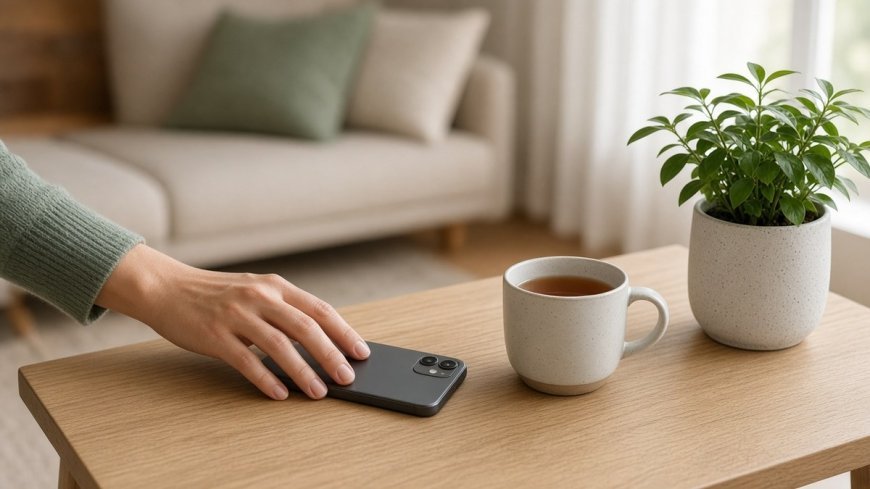
- Build a gentle wind-down. Dim the lights, put the phone in another room, and spend twenty minutes on something quiet, like reading, stretching, or a warm shower.
- Allow a slower evening. One night a week with no plans, no chores, and no screens on purpose can feel like a small gift.
- Make the bedroom comfortable. Extra blankets, a cool room, and a dark space can make sleeping easier in winter.
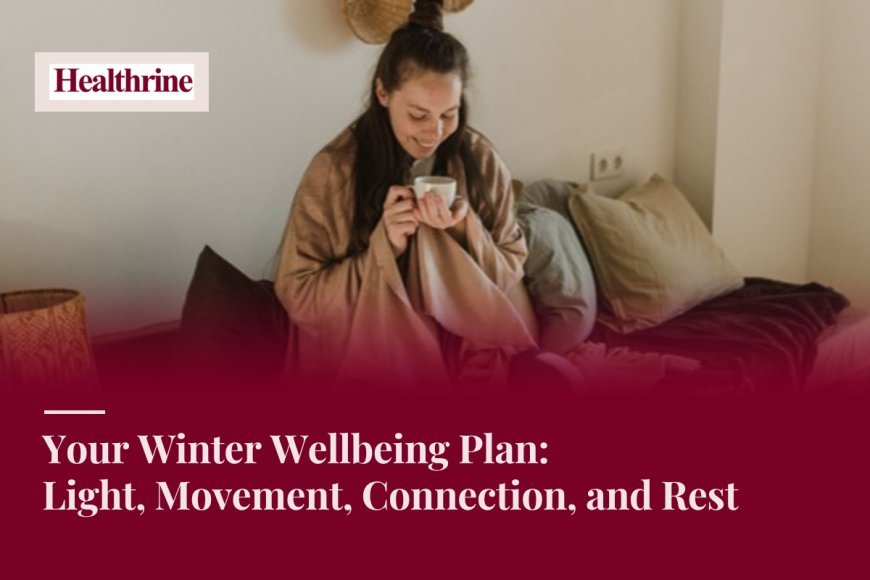
Rest also means time that is not scheduled. A cup of tea by the window counts.
A Sample Week
Here is what a light, realistic week might look like. Nothing here is required, and you can swap in your own versions:
- Monday: blinds open before breakfast, and a ten-minute walk at lunch.
- Tuesday: a short indoor stretch while the kettle boils, plus a text to a friend you have not seen in a while.
- Wednesday: lamps on and overhead lights off after dinner, with the phone charging in another room.
- Thursday: a brisk walk around the block, or a dance playlist if the weather is bad.
- Friday: a simple pasta night with one or two people, or a standing call with family.
- Saturday: a longer outdoor walk, ideally with company, and a slower, unscheduled evening.
- Sunday: a tidy-up, a regular bedtime, and a quick look at the week ahead to place your next small commitments.
If a day falls apart, nothing is lost. Pick the plan back up the next day, and let the week be good enough.
Putting It Together, and When Winter Feels Heavy
You do not need to do everything. Here is a "minimum winter" that takes only a few minutes a day: open the blinds, take one short walk, send one message, and keep a regular bedtime. On better weeks, add more.
It is worth saying plainly: some seasons feel harder than others. NIMH suggests reaching out to a doctor or other health professional if low feelings are strong, last more than two weeks, or start getting in the way of daily life. That is not a sign that you are doing winter wrong. It is simply a good time to talk with someone who can help.
For everyone else, think of this as a toolkit you can return to as the months go on. Some weeks you will lean on light, other weeks on connection. Winter is long enough to experiment, and a few small, steady choices can make it feel more spacious and warm.
What's Your Reaction?
 Like
0
Like
0
 Dislike
0
Dislike
0
 Love
0
Love
0
 Funny
0
Funny
0
 Angry
0
Angry
0
 Sad
0
Sad
0
 Wow
0
Wow
0